Psoriasis cannot be completely cured at present, but symptoms can be effectively controlled and recurrences reduced through standardized treatment. Patients are advised to seek medical attention promptly and develop a long-term management plan under the guidance of a doctor.
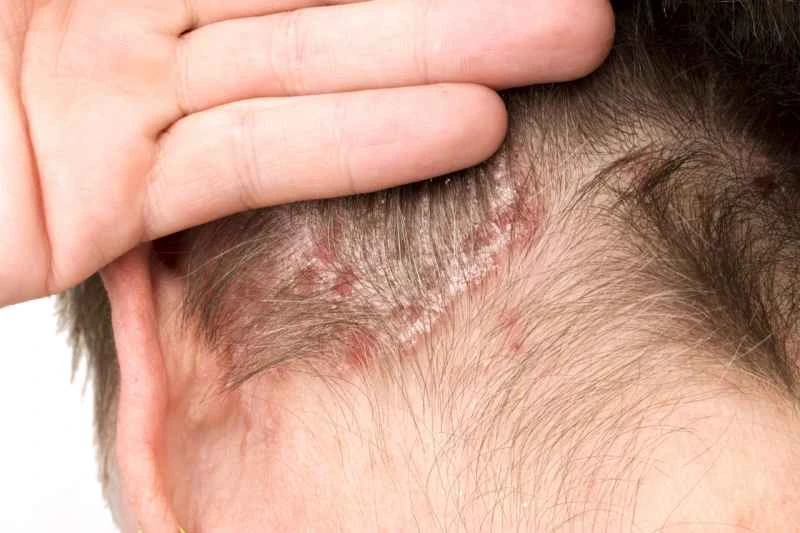
1. Treatment typically employs a comprehensive approach. Topical ointments such as moisturizers and vitamin D derivatives can relieve skin peeling and erythema; phototherapy utilizes specific ultraviolet light to reduce inflammation; oral or injectable medications are mostly used for moderate to severe cases, and strict monitoring for side effects is necessary.

2. The effectiveness of disease control varies from person to person. Some patients may experience complete remission of skin lesions after treatment and maintain stability for a long period of time; however, the disease may recur due to factors such as infection and stress, so patience is required, and one should avoid blindly pursuing a "complete cure".
3. Daily management is crucial. Pay attention to skin moisturizing and avoid scratching; record and avoid potential triggers; a balanced diet and moderate exercise help improve overall health.
Please be sure to seek treatment at a reputable medical institution and do not trust folk remedies. Maintain communication with your doctor, have your condition assessed regularly, and adjust your care habits. Most patients can significantly improve their quality of life and maintain long-term stability.