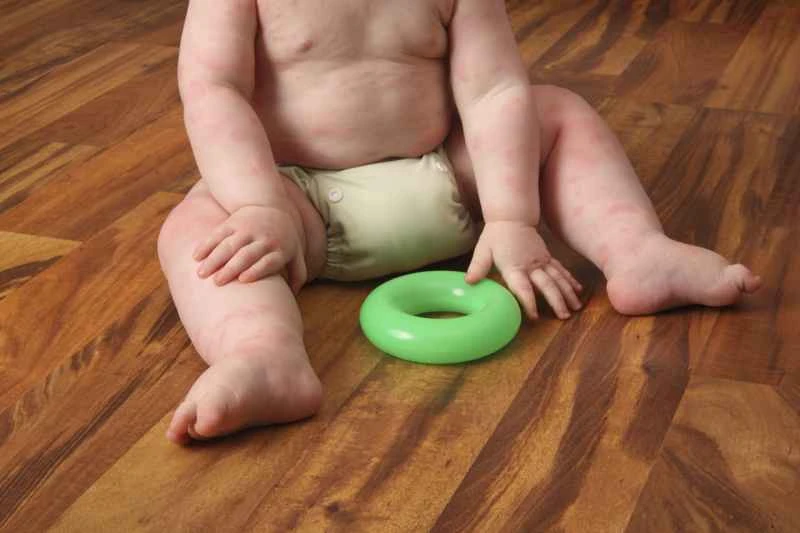
The softening time of scar lumps on the palm depends on the type of scar and the individual's physical condition.
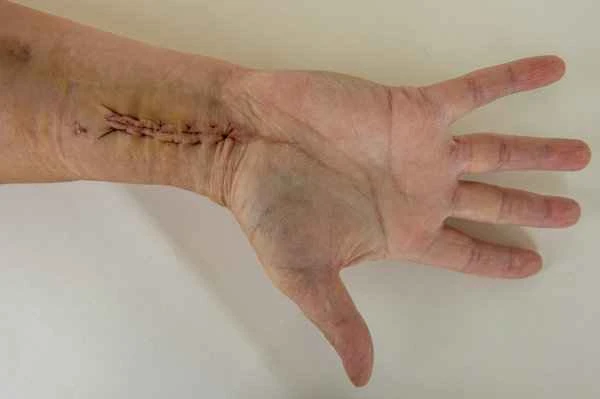
The softening of scar tissue is a gradual process, the duration of which is influenced by various factors, including the type of scar, individual physical condition, and the effectiveness of treatment. Scars are mainly divided into two types: hypertrophic scars and keloids. Hypertrophic scars typically appear within a few months after wound healing, while keloids can persist for years. For hypertrophic scars, the softening process usually takes several months to a year, but some scars may take longer to soften. Keloids may take several years to soften, and in some cases, may never completely soften. Individual physical condition also affects the softening time; for example, diabetic patients may experience a longer softening time due to poor blood circulation. Treatments such as the use of silicone sheets, pressure therapy, or topical medications can also accelerate the softening process.
Patients may encounter some misconceptions when dealing with keloid scars. For example, some believe that all scars soften naturally over time, but in fact, certain types of scars, such as keloids, may require specific treatments to soften. Some patients may mistakenly believe that any scar repair product on the market will quickly resolve the issue, but in reality, different scar types may require different treatments. Understanding the type of scar and individual physical condition, as well as taking appropriate treatment measures, is crucial when dealing with keloid scars.
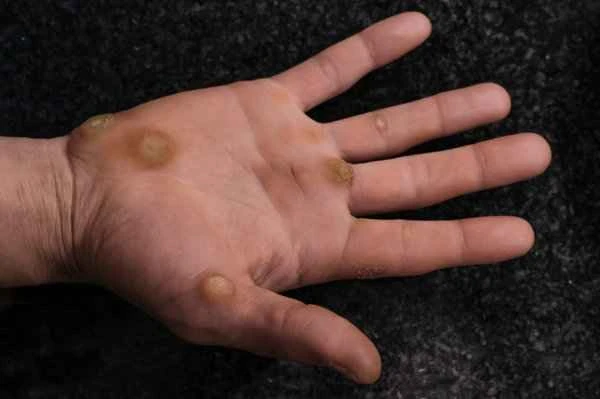
[Management Tip:]
1. Regularly check the condition of the scar and observe for any changes.
2. Choose the appropriate treatment method based on the type of scar, such as using silicone sheets or pressure therapy.
3. Pay attention to your personal lifestyle habits and avoid irritating the scarred area.
4. If the scar enlarges or the pain intensifies, seek medical attention promptly.