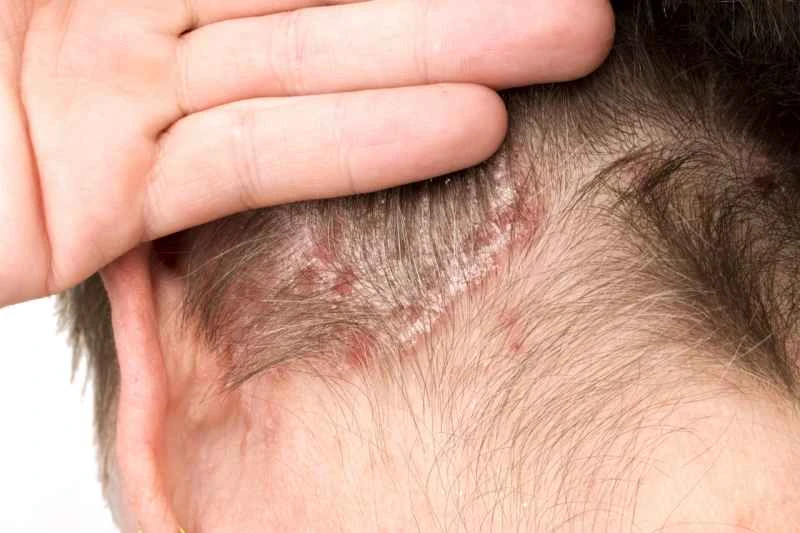
Surgical scar pain is common and usually subsides gradually over several weeks to months after surgery. Causes of surgical scar pain include surgical trauma, inflammation during tissue healing, and nerve damage. The intensity and duration of pain vary from person to person, depending on the type of surgery, individual constitution, and postoperative care.
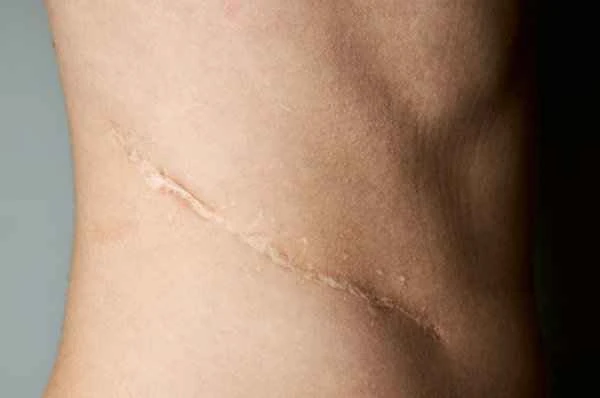
Postoperative scar pain is primarily due to inflammatory reactions and nerve damage caused by surgical trauma. During surgery, tissues are cut and sutured, which triggers local inflammation and leads to pain. Surgery may also affect nerve tissue, causing nerve damage or increased nerve sensitivity, which is another cause of scar pain. Inflammation and nerve damage will gradually subside over time, but this process can take weeks or even months. During the healing process, the inflammation gradually subsides, and nerve function gradually recovers, thus reducing pain. For some patients, the pain may persist for longer or even become chronic. This is usually related to greater surgical trauma, inadequate postoperative care, or individual differences.
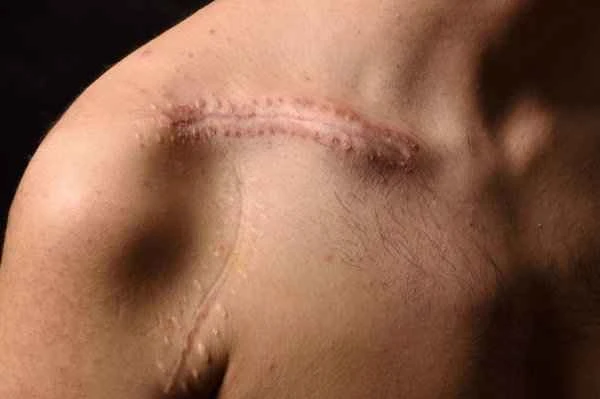
Treating scar pain requires consideration of multiple factors, including the nature and duration of the pain, and the patient's overall health. Careful management of scar pain is essential to avoid side effects from overtreatment. Pain management is a complex process that requires professional guidance from a physician and active cooperation from the patient.
[Management Tip:]
1. Have regular scar examinations to check for any abnormalities such as redness, swelling, or hardening.
2. Keep the wound clean to prevent infection and promote healing.
3. If persistent pain occurs, seek medical attention promptly for professional pain management advice.