Psoriasis is mainly related to abnormal immune system function, genetic factors, and environmental stimuli. Currently, symptoms can be controlled with standardized treatment. It is recommended to seek medical attention promptly and develop a personalized treatment plan under the guidance of a doctor.
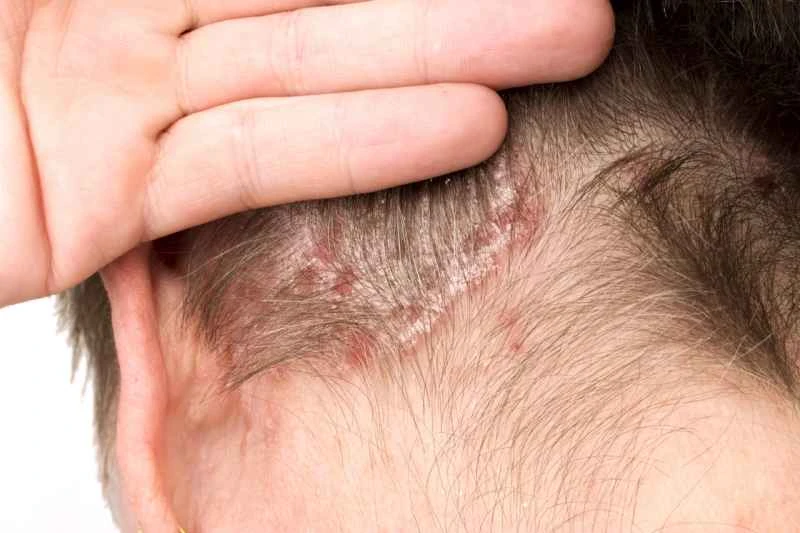
1. **Common Triggers**: Some patients have a family history of the disease; infections, stress, or skin injuries may trigger or worsen symptoms; abnormal immune system reactions can lead to excessive proliferation of skin cells.
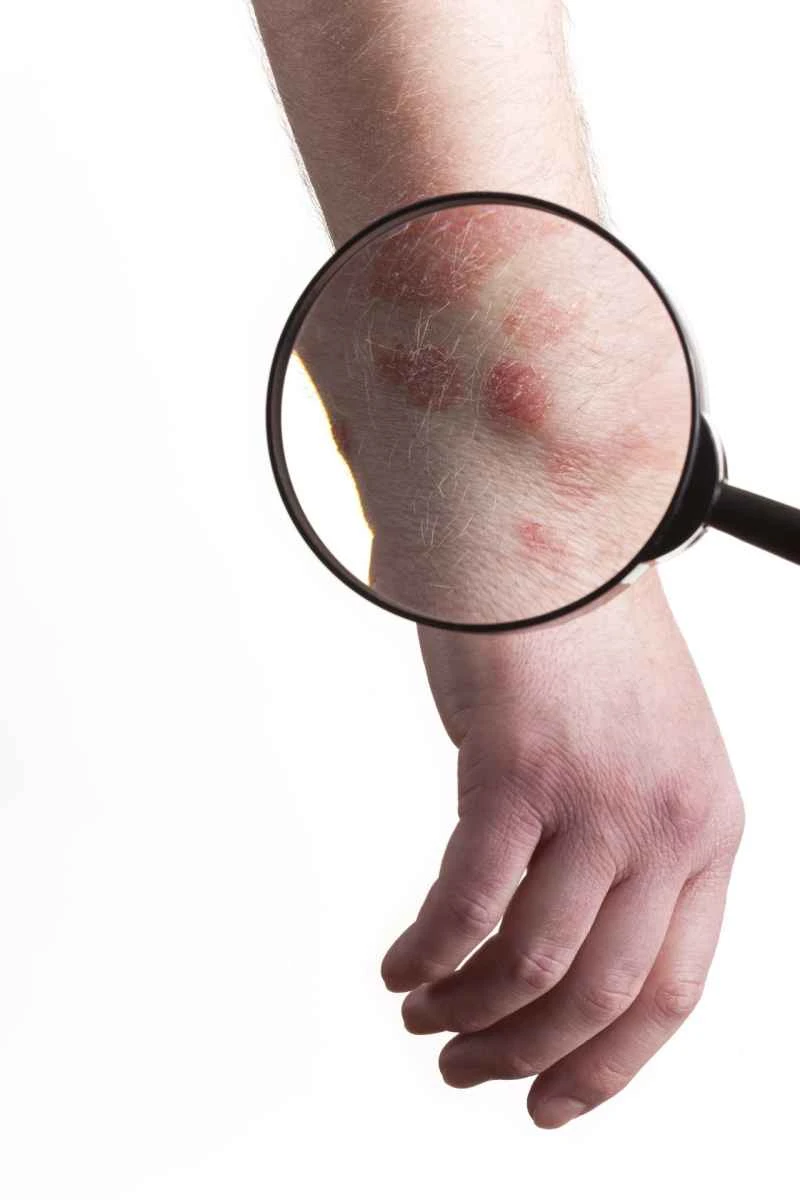
2. **Treatment Directions:** Topical ointments such as moisturizers and vitamin D derivatives can help reduce dandruff and erythema; phototherapy uses specific ultraviolet light to relieve inflammation; oral or injectable medications are mostly used for moderate to severe cases and require strict monitoring.
3. **Daily Management**: Avoid scratching or rubbing the skin; use gentle skincare products to keep the skin moisturized; keep a record of and avoid personal factors that may worsen symptoms.
Do not self-medicate or rely on folk remedies. Maintaining a healthy lifestyle, reducing stress, and having regular check-ups to adjust the treatment plan can effectively control the condition and improve the quality of life for most patients.