The key to treating residual skin scars lies in promoting the skin's self-repair ability through various methods, thereby reducing the appearance and discomfort of the scars.

The main strategies for treating residual skin scars include medication, physical therapy, and surgery. In medication, topical corticosteroids can reduce inflammation and decrease scar tissue formation; silicone sheets and gels help keep the scar moist and promote skin repair. Physical therapies such as laser and radiofrequency ablation improve the appearance of scars by stimulating collagen regeneration. For more severe scars, such as keloids, surgical excision may be necessary, combined with radiation therapy to prevent recurrence. These treatment methods complement each other, working together to promote skin repair and recovery.
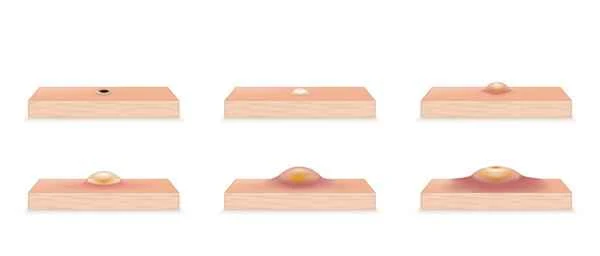
It's important to note that not all scars can be completely eliminated during treatment. Treatment effectiveness is influenced by various factors, including the type, size, and location of the scar, as well as individual differences. Side effects may occur during treatment, such as local redness, swelling, pain, or infection. Therefore, treatment should be conducted under the guidance of a professional physician.
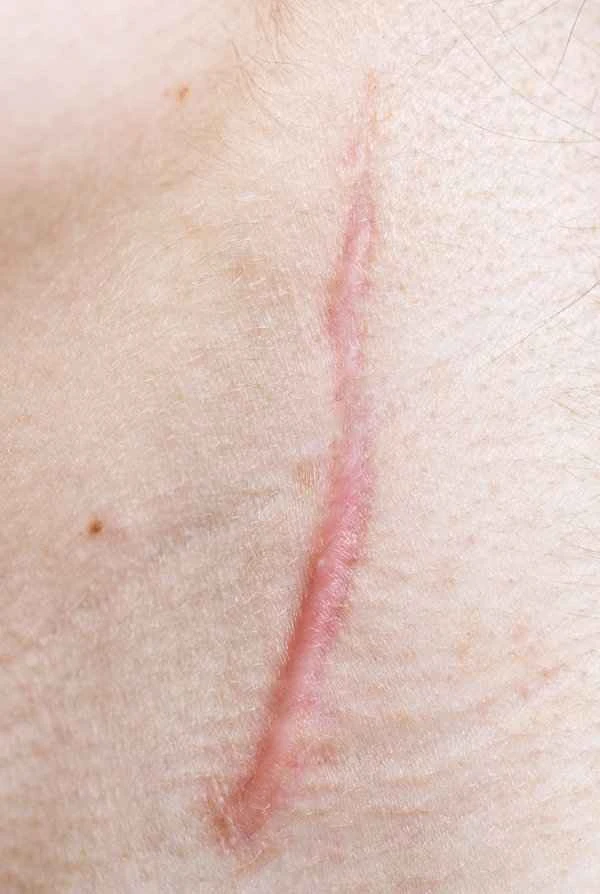
[Management Tip:]
1. Use silicone sheets or gels regularly to keep the scar moist.
2. Use corticosteroids as needed to reduce inflammation, as advised by your doctor.
3. For severe scars, consult a dermatologist promptly and consider laser or surgical treatment.