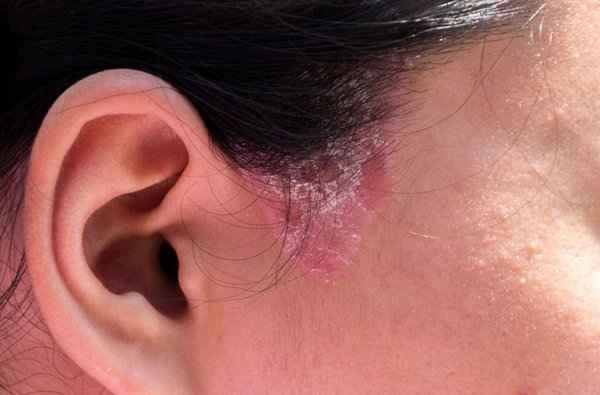
Urticaria symptoms can be effectively controlled through standardized treatment and daily management. It is recommended to seek medical attention promptly to determine the cause and undergo comprehensive treatment under the guidance of a doctor.

Specifically, we can start from the following aspects:
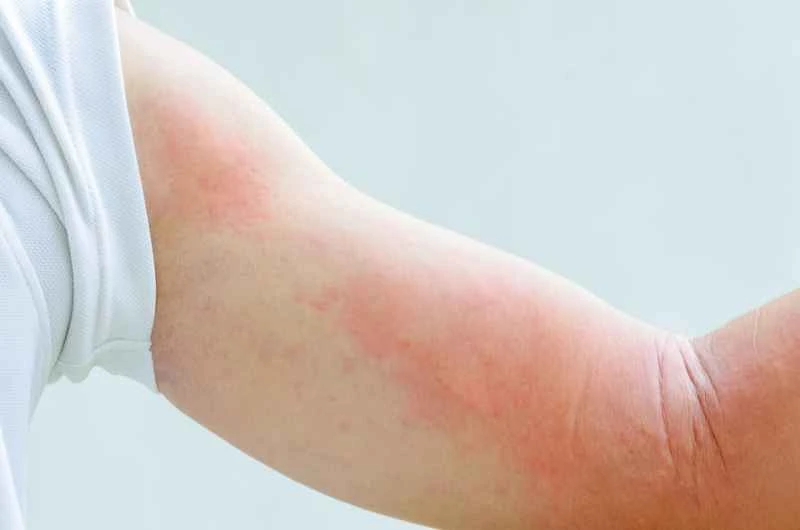
1. **Seek medical attention promptly for diagnosis:** First, you should consult a dermatologist. The doctor will ask about your medical history and conduct necessary examinations to help determine whether the cause is a food or drug allergy, or a physical irritant. This is the basis for developing a treatment plan.
2. **Proper Use of Medication:** Doctors often prescribe antihistamines to relieve itching and wheals. These medications must be taken regularly as prescribed. Even if symptoms improve, medication should not be stopped on your own. Chronic cases may require prolonged maintenance treatment.
3. **Record and Avoid Triggers**: Pay attention to and record your diet, contact with objects, or activities before the onset of illness. Common triggers include seafood, dust mites, and hot or cold stimuli. Try to avoid contact with known triggers.
4. **Pay attention to skin care:** Wear loose-fitting cotton clothing daily, avoid excessively hot bath water, and reduce scratching to prevent skin irritation and worsening of symptoms. Maintaining a regular sleep schedule also helps reduce flare-ups.
In daily life, it's important to keep your living environment clean and well-ventilated, and use mild detergents. If you experience sudden, severe redness and swelling, or difficulty breathing, seek medical attention immediately. With cooperation between doctors and patients and long-term management, most people's symptoms can be well controlled.