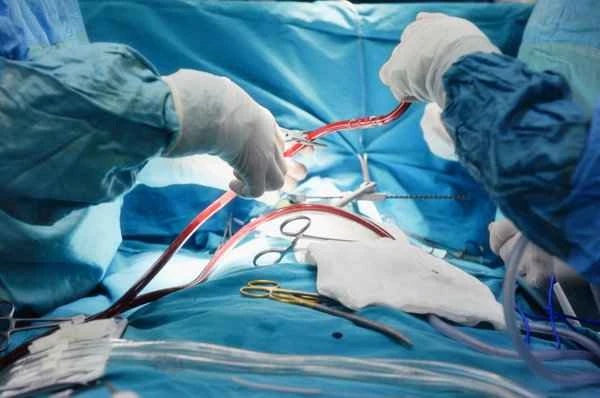
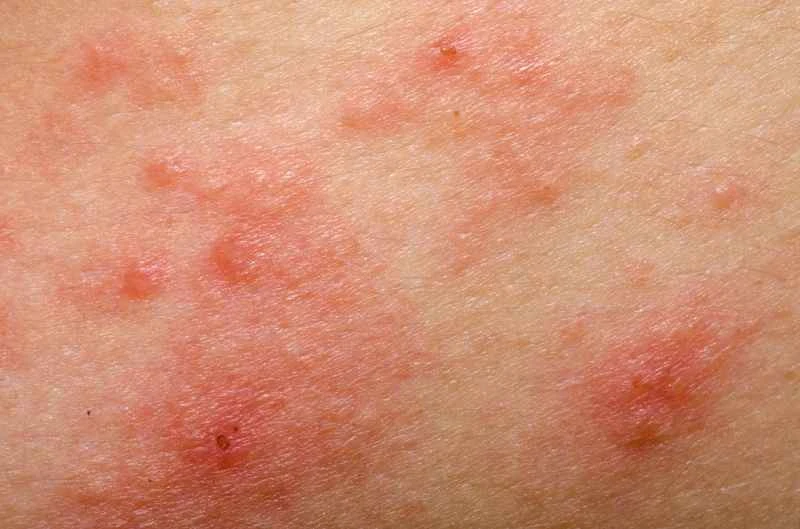
The elimination of postoperative scar lumps is achieved through a series of comprehensive treatments to reduce or eliminate fibrosis in the scar tissue, thereby improving the texture of the scar.
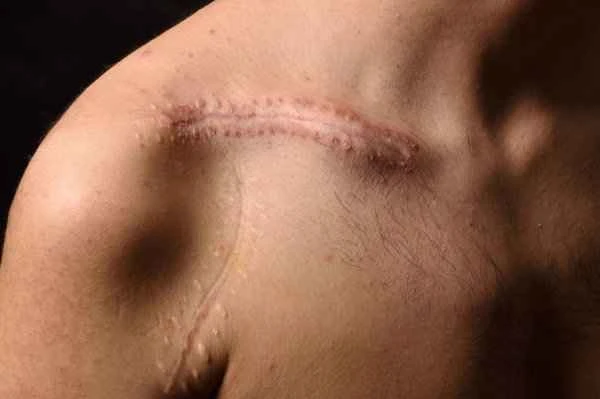
Eliminating postoperative scar lumps typically requires a combination of treatments, including medication, physical therapy, and surgery. Medication primarily involves topical corticosteroids, which suppress inflammation and reduce scar tissue formation. Physical therapy includes pressure therapy, laser therapy, and radiofrequency ablation, which promote softening and remodeling of scar tissue. In some cases, if the scar tissue is very hard and impairs function, surgical excision may be necessary, followed by other treatments to prevent recurrence. These treatments work together to improve the texture of the scar.
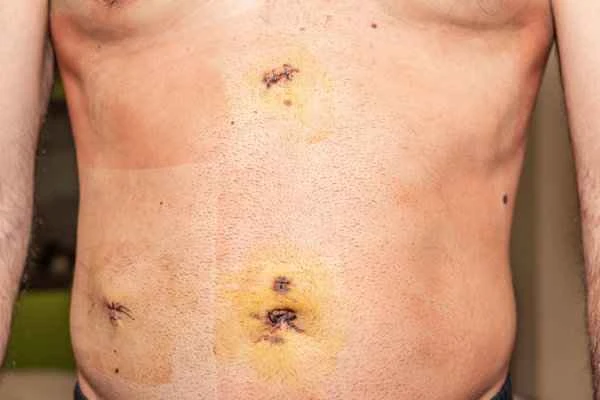
In managing postoperative keloid scars, it's crucial to recognize that scar formation is a complex biological process involving the interaction of multiple cells and molecules. Treating keloid scars is not simply a matter of localized treatment; it requires a comprehensive consideration of the patient's overall condition and the specific characteristics of the scar. Side effects may occur during treatment, such as thinning of the local skin and hyperpigmentation. Therefore, a thorough assessment of the patient's condition is essential before treatment, and close monitoring of the patient's response is necessary during treatment to ensure safety and effectiveness.
[Management Tip:]
1. Regular follow-up examinations to monitor changes in scarring.
2. Use medication as prescribed by your doctor and carefully observe for side effects.
3. Keep the wound clean to prevent infection.
4. Under the guidance of a doctor, appropriate physical therapy may be administered.