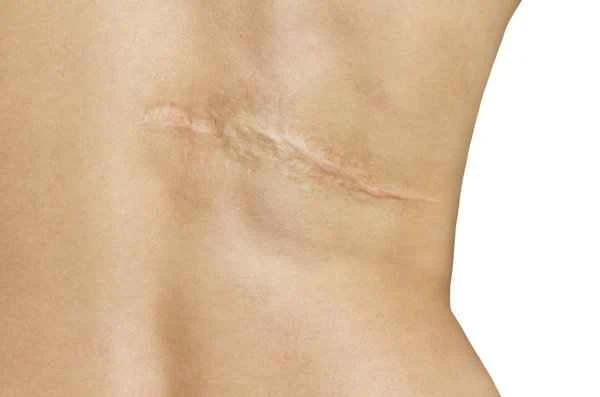
Urticaria may heal on its own, but the recovery time varies from person to person, ranging from a few hours to several weeks. It is recommended to observe changes in symptoms closely and consult a doctor if necessary.
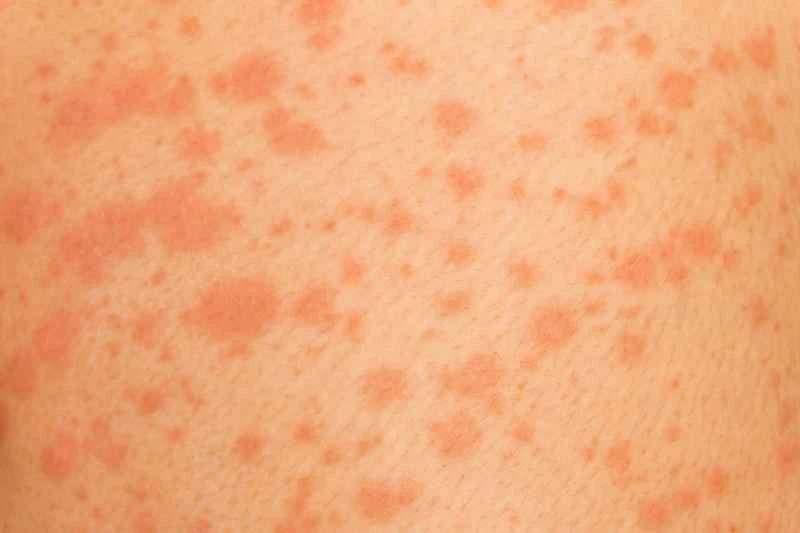
1. Possibility of spontaneous remission: Some cases of acute urticaria may resolve on their own after the triggering factor is eliminated, such as a reaction to food or medication. However, chronic urticaria often recurs, making spontaneous remission more difficult.
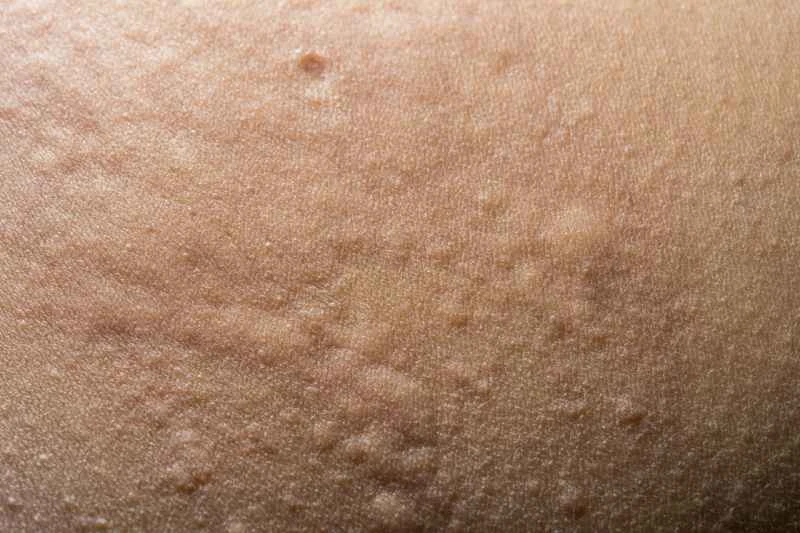
2. Differences in recovery time: Acute urticaria, if the symptoms are mild, may subside within a few hours to a few days; chronic urticaria may last for more than a few weeks and is easily affected by environmental factors, stress, etc.
3. Influencing factors: Whether a condition resolves on its own is related to its cause. Common triggers include allergies, infections, or physical irritants; identifying and avoiding these triggers can aid recovery.
If you develop hives, first record your diet and activities during the flare-up to avoid scratching your skin. If symptoms become frequent or worsen, it is recommended to see a doctor for examination. The doctor may recommend medication to control the condition. Maintain a regular daily routine and reduce your intake of spicy foods to help relieve discomfort.