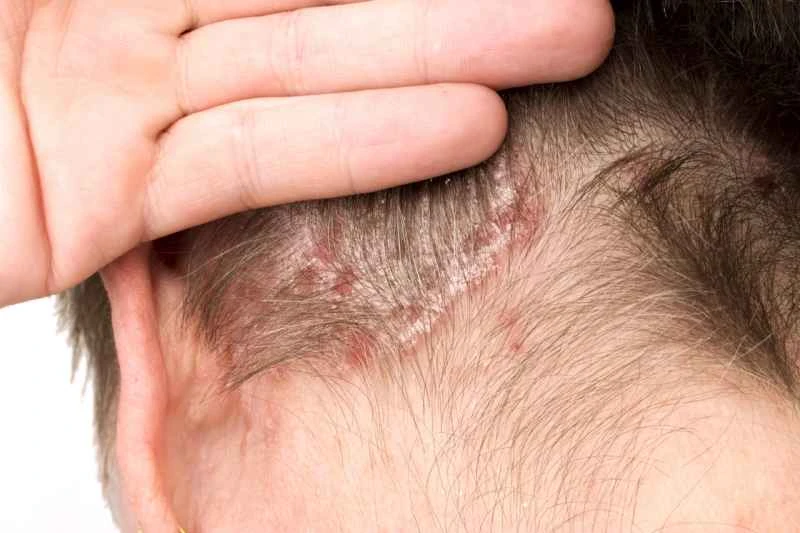
Keloids and hypertrophic scars are problems that can occur during the skin healing process, and they are often associated with abnormal healing responses following skin trauma. A keloid is an overgrowth of scar tissue that extends beyond the original wound, while hypertrophic scars are the excessive proliferation of normal scar tissue that forms during wound healing.
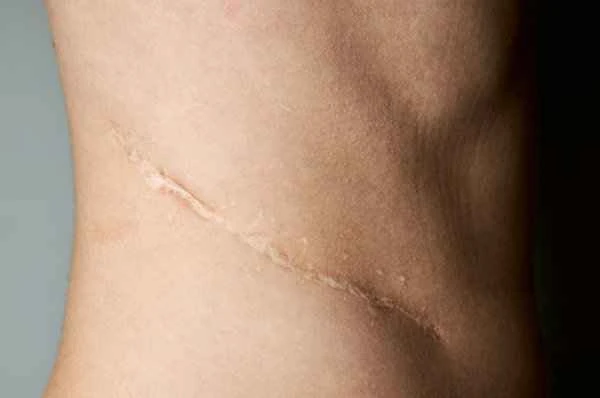
Keloids and hypertrophic scars often occur in connection with skin trauma, such as surgical incisions, burns, punctures, and acne. These traumas stimulate the skin to produce excessive collagen, leading to abnormal proliferation of scar tissue. If there is a family history of keloids, the individual's likelihood of developing them also increases. Keloids typically present as hard nodules, and their color may be darker or lighter than the surrounding skin, sometimes accompanied by mild pain or itching.

While hypertrophic scarring typically doesn't extend beyond the original wound, repeated irritation or infection during wound healing can lead to excessive scar tissue growth. Hypertrophic scarring usually presents as a red or purple lump, with a firm texture, sometimes accompanied by mild pain or itching.
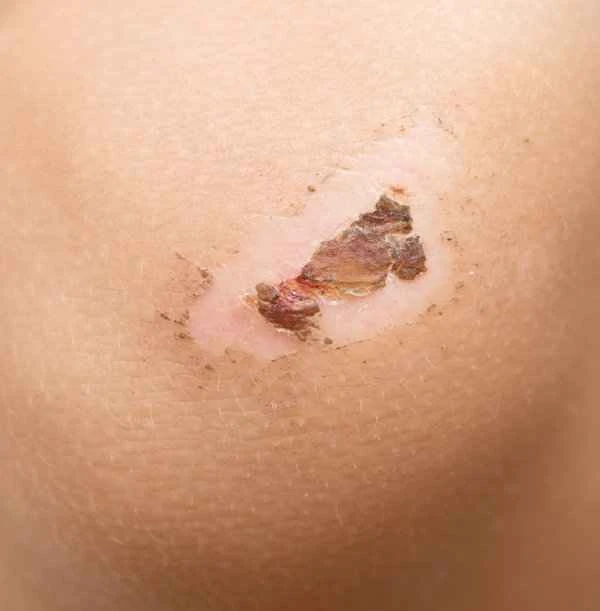
When treating keloids and hypertrophic scars, it's important to note that if the scar tissue rapidly enlarges, changes color, becomes more painful, or is accompanied by other abnormal symptoms, you should seek medical attention promptly, as this could be a sign of infection or other complications. Many products on the market claim to treat scars, but their effectiveness varies from person to person and lacks sufficient scientific evidence to support them. It's best to consult a professional doctor before trying any treatment.
[Prevention Tips:]
1. Keep the wound clean to prevent infection.
2. Avoid repeated irritation of the wound, such as frequent touching or rubbing.
3. During the wound healing process, use appropriate scar care products, such as silicone sheets or gels.
4. Pay attention to personal and family medical history. If there is a tendency for keloids, pay more attention to wound care.