Doxepin is primarily used to treat depression and anxiety disorders, not directly to treat urticaria. When discussing the use of doxepin in treating urticaria, we need to understand its mechanism of action and indications.

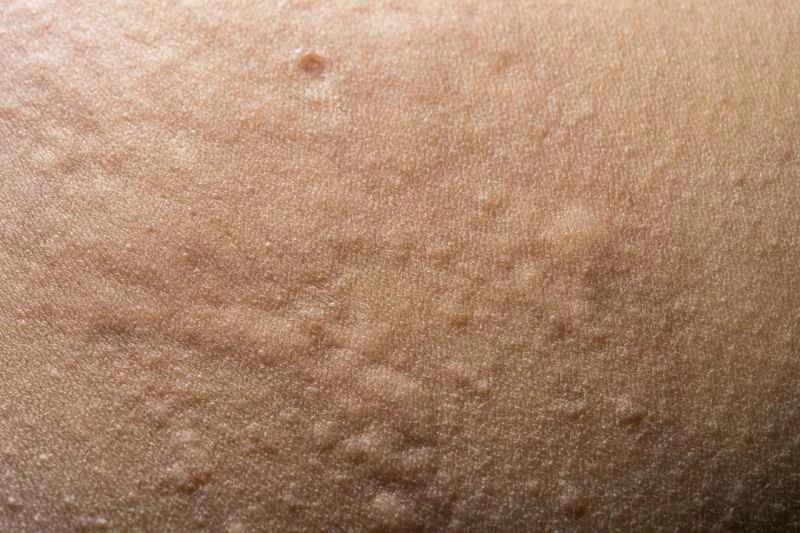
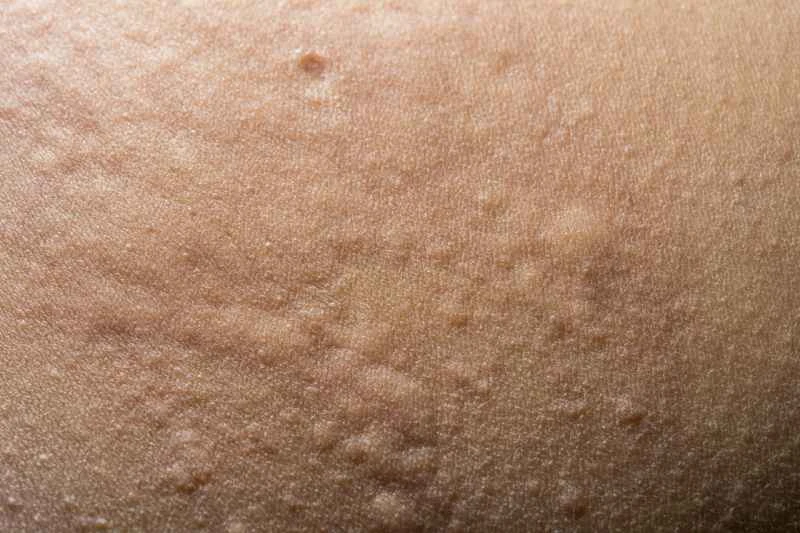
Doxepin is a tricyclic antidepressant that works primarily by inhibiting the reuptake of neurotransmitters, particularly norepinephrine and serotonin. It does not have a direct mechanism of action for treating urticaria (hives). Urticaria is a common skin condition characterized by red, swollen, itchy patches on the skin. Treatment for urticaria typically involves antihistamines, such as non-sedating antihistamines, which effectively relieve symptoms; however, doxepin is not a standard treatment for urticaria.

When considering using doxepin to treat urticaria, special attention should be paid to its potential risks and side effects. As an antidepressant, doxepin may cause side effects such as dry mouth, constipation, and blurred vision. These side effects are unnecessary when treating urticaria and may cause additional discomfort to patients. Doxepin should be used under the guidance of a doctor; self-use may lead to drug abuse and misuse, thereby increasing unnecessary health risks.

[Management Tip:]
1. Regularly monitor changes in urticaria symptoms and seek medical attention promptly.
2. Avoid self-medicating with antidepressants to treat urticaria.
3. Follow your doctor's instructions and use appropriate antihistamines to control symptoms.