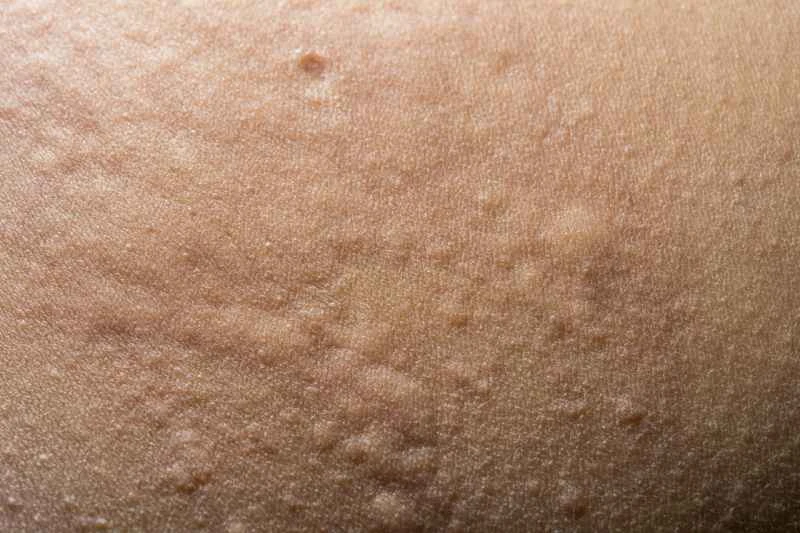
Eczema is not contagious; it's an autoimmune issue of the skin and cannot be transmitted to others through contact. Parents can rest assured in caring for their children while paying attention to daily care to alleviate symptoms.
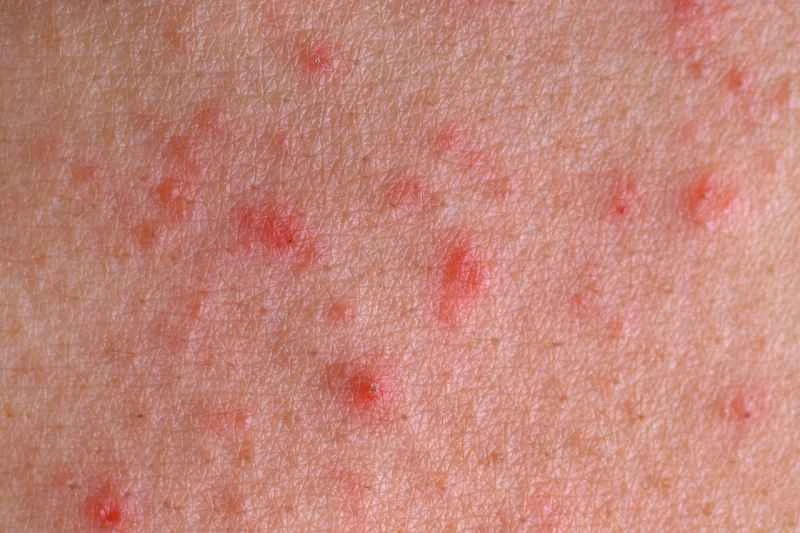
1. Causes of eczema
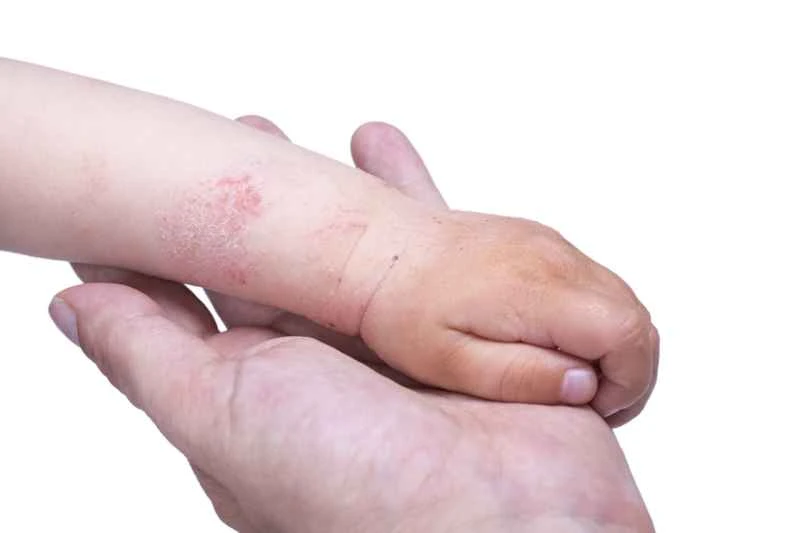
Eczema is mainly related to a weak skin barrier function, allergic constitution, or environmental irritants. For example, dryness, sweat, or certain clothing materials may induce or aggravate rashes and itching, but it is not an infectious disease caused by bacteria or viruses.
2. No need to worry about daily contact.
Children will not contract eczema if their skin comes into contact with other children's skin while playing with family members or friends. However, it is important to avoid scratching, as scratching can break the skin and lead to bacterial infection, which requires medical attention.
3. The focus of nursing care is on relieving symptoms.
Keep your skin clean and moisturized, and use gentle skincare products; wear loose cotton clothing to reduce friction; maintain suitable humidity indoors and avoid overheating and sweating. If eczema recurs or worsens, it is recommended to consult a doctor to adjust the care plan.
In daily life, parents should pay attention to their child's skin condition, record factors that may aggravate eczema (such as food, dust), and provide patient care. If the eczema spreads or the child experiences significant discomfort, seek professional guidance promptly to help improve the child's skin health through scientific methods.