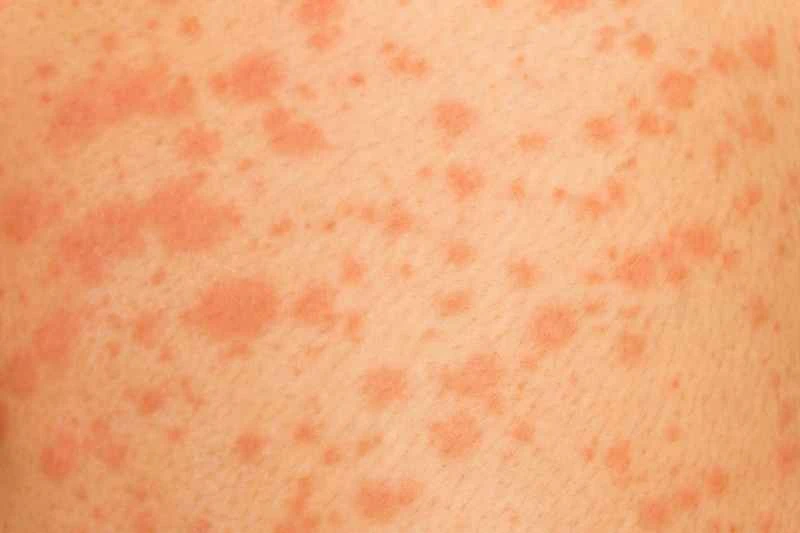
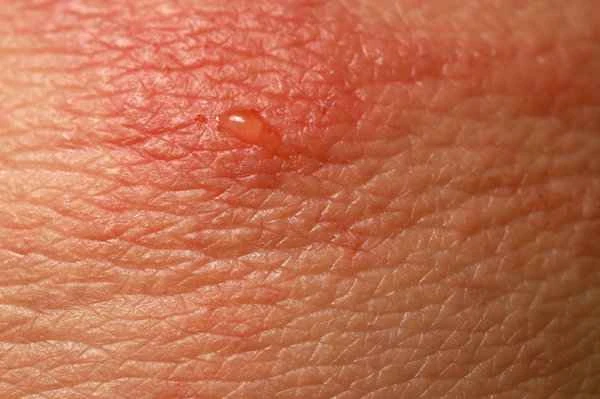
Topical medications are a common treatment for seborrheic dermatitis. Seborrheic dermatitis is a common skin condition that primarily occurs in areas with abundant sebaceous glands, such as the scalp, face, and chest. Topical medications can help relieve inflammation, reduce sebum production, and control fungal infections, thereby alleviating symptoms.
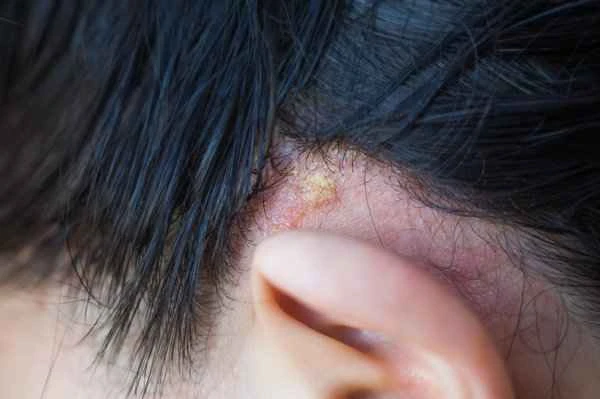
Treatment for seborrheic dermatitis typically includes corticosteroids, antifungal medications, and nonsteroidal anti-inflammatory drugs (NSAIDs). Corticosteroids reduce inflammation and itching, antifungal medications inhibit the growth of fungi such as Malassezia, and NSAIDs help alleviate the inflammatory response. These medications work together through different mechanisms to treat seborrheic dermatitis. When choosing topical medications, doctors will determine the most appropriate treatment plan based on the patient's specific condition and the severity of their symptoms.
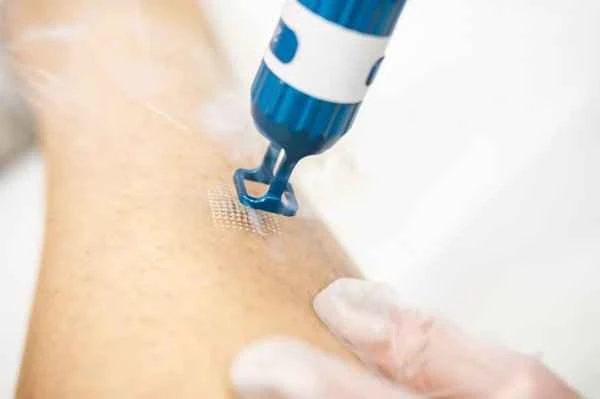
While topical medications can effectively relieve symptoms of seborrheic dermatitis, patients should be aware that long-term use of corticosteroids may lead to side effects such as skin thinning and pigmentation. Treatment for seborrheic dermatitis typically requires a comprehensive approach, including medication, lifestyle modifications, and daily care. A single topical medication may not achieve optimal therapeutic results. Patients should follow their doctor's advice and undergo a comprehensive treatment regimen while using topical medications.
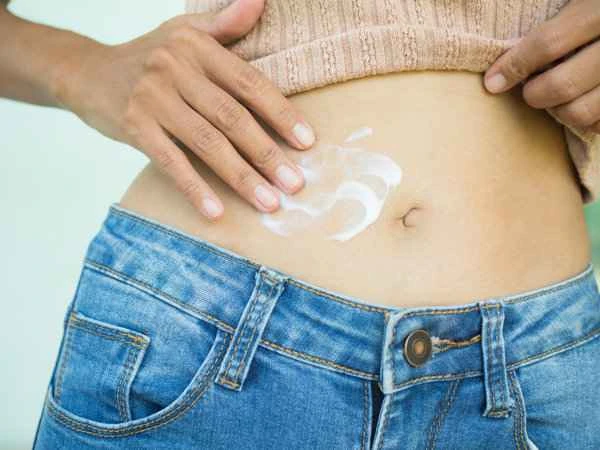
[Management Tip:]
1. Use the topical medication recommended by your doctor regularly and follow the instructions for use.
2. Keep your skin clean and avoid using harsh cleansing and care products.
3. If symptoms worsen or new discomfort occurs, seek medical advice promptly.