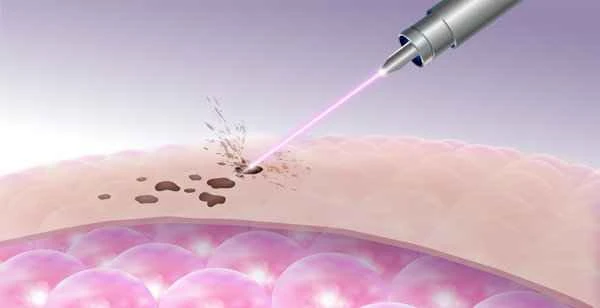
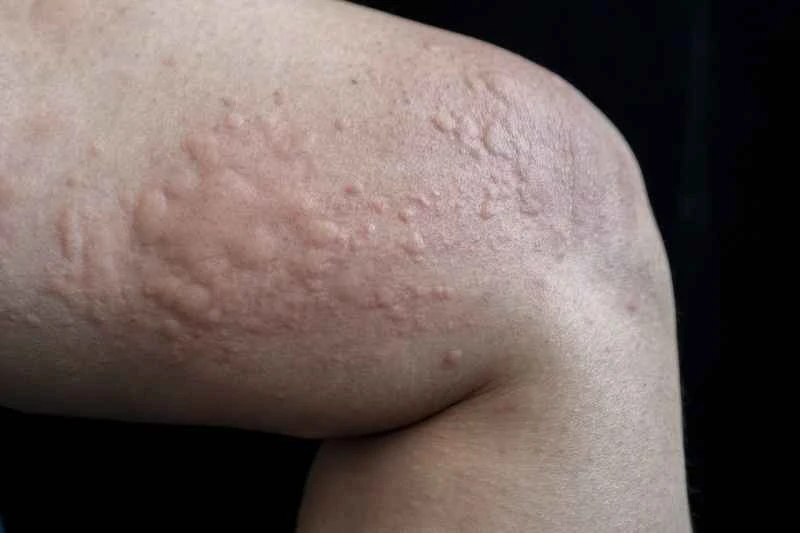
When scar hyperplasia occurs after a cesarean section, various treatment measures can be taken to alleviate the symptoms, including drug treatment, physical therapy and surgical intervention.
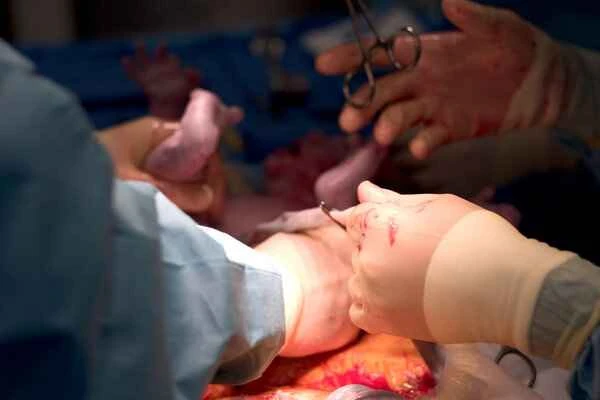
Hypertrophic scarring is a common complication after cesarean section, primarily caused by excessive collagen deposition during wound healing. This hypertrophic scar not only affects appearance but can also cause pain and discomfort. Treatment options for hypertrophic scarring include topical medications such as silicone gel or sheets, which help soften scar tissue and reduce redness, swelling, and itching. Physical therapy is also an effective treatment, including pressure therapy, laser therapy, and radiofrequency ablation. Pressure therapy inhibits scar tissue growth by applying continuous pressure, while laser and radiofrequency ablation use heat to promote the breakdown and absorption of scar tissue. In severe cases, surgical removal of the hypertrophic scar tissue may be necessary, combined with the above methods for optimal treatment results.
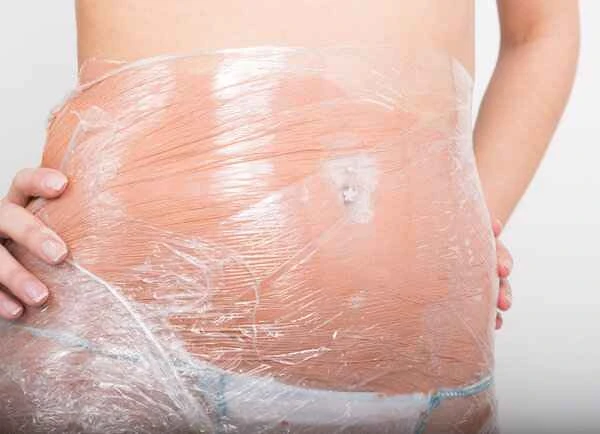
Patients may encounter some misconceptions during the treatment of hypertrophic scars, such as believing that hypertrophic scars are irreversible or that any treatment method can produce immediate results. In reality, treating hypertrophic scars is a long-term process that requires patience and consistent treatment. Treatment effectiveness also varies from person to person, depending on factors such as the severity of the scar, the timeliness of treatment, and individual differences. When choosing a treatment method, these factors should be considered comprehensively, and treatment should be conducted under the guidance of a professional doctor.
[Management Tip:]
1. Use topical medications such as silicone gel or silicone sheets to help soften scar tissue.
2. Consider physical therapy, such as pressure therapy, laser therapy, or radiofrequency therapy, to promote the breakdown and absorption of scar tissue.
3. In cases of severe scar hyperplasia, consult a professional doctor and consider surgical removal of the hyperplastic scar tissue.
4. Continuously monitor changes in the scar, have regular follow-up appointments, and adjust the treatment plan as needed.