Acute urticaria is usually not life-threatening, but if it is accompanied by severe systemic reactions, immediate medical attention is necessary. It is recommended to seek medical help promptly if symptoms such as difficulty breathing or dizziness occur.
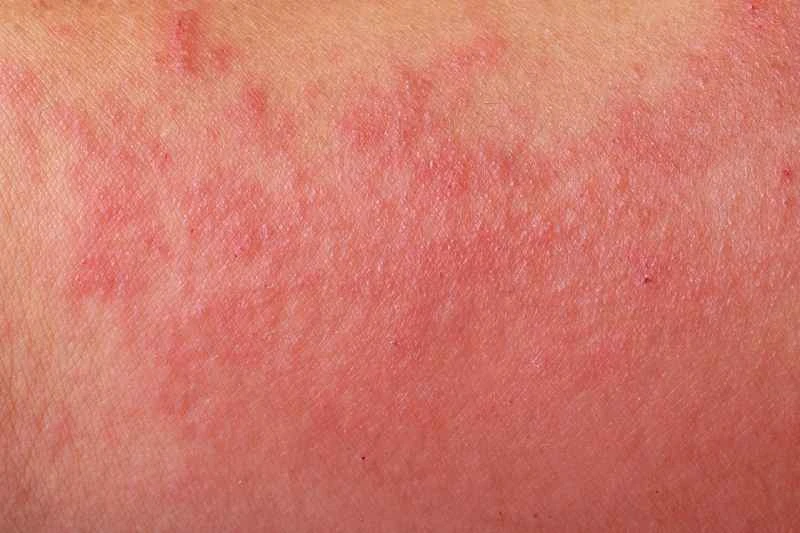
This can be understood from the following two aspects:
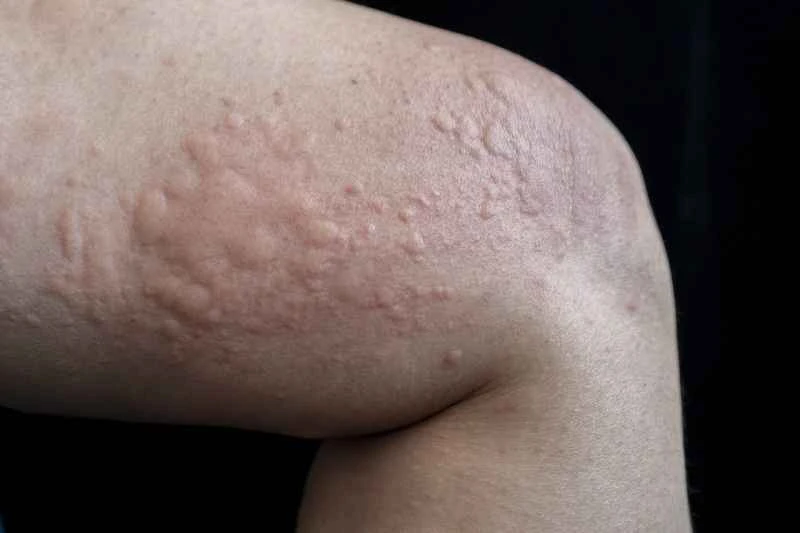
1. **Most cases are relatively mild.**
Common symptoms include red wheals on the skin accompanied by itching, which usually subside on their own within hours or days and can be effectively controlled with anti-allergy medications.
2. **Be alert to serious complications**
In rare cases, if the condition affects the respiratory or cardiovascular system, laryngeal edema may occur, leading to difficulty breathing, or systemic reactions such as a drop in blood pressure and confusion may occur, which poses a certain risk.
In daily life, it is recommended to record and avoid contact with known allergens (such as specific foods, medications, etc.); avoid scratching the skin when symptoms occur, and apply cold compresses to relieve itching; if symptoms recur or worsen, consult a dermatologist or allergy specialist in a timely manner and follow the doctor's advice for standardized treatment.