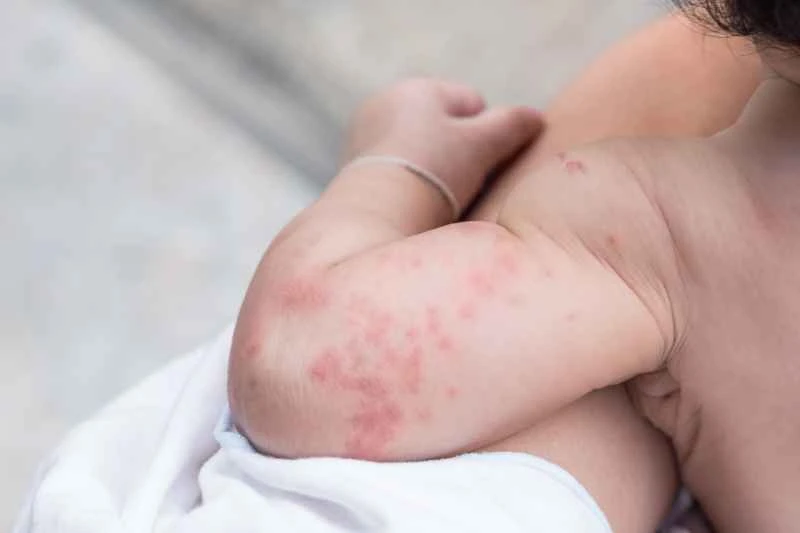
Scar removal refers to the reduction or elimination of raised scars caused by trauma, surgery, or other factors through various methods. Strategies for scar removal primarily rely on understanding the basic mechanisms of scar formation and intervening through medication, surgery, or other treatments.
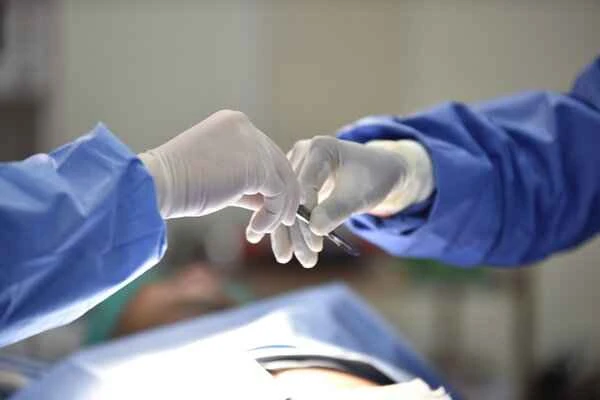
Raised scars are caused by abnormal proliferation of collagen and fibroblasts after skin injury. Treatment methods for raised scars are diverse, including medication, physical therapy, laser therapy, and surgical excision. Medication typically involves corticosteroid injections to reduce inflammation and inhibit excessive collagen synthesis; physical therapies, such as pressure therapy, use continuous pressure to suppress scar tissue growth; laser therapy can promote scar tissue remodeling and reduce scar protrusion; surgical excision is suitable for larger scars, directly removing scar tissue and then repairing the wound through methods such as skin grafting. In practice, these methods are often used in combination to achieve the best treatment results.
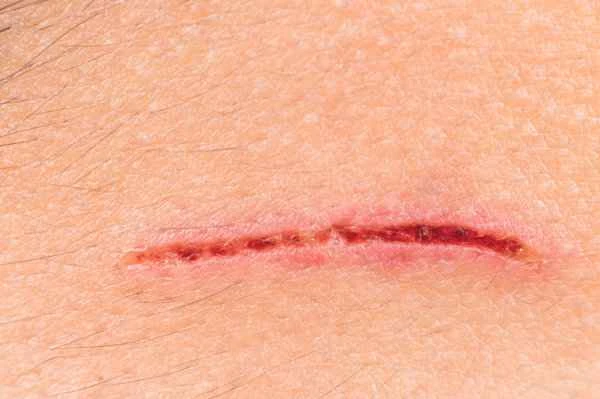
Patients may encounter some misconceptions when treating raised scars. Many patients may rely too heavily on a single treatment method, neglecting the importance of comprehensive treatment. In fact, combining multiple treatment methods often yields better results. Some patients may be overly focused on quick results, ignoring the long-term nature of treatment and individual differences. Treating raised scars is a long-term process that requires sufficient patience and confidence from the patient. Finally, some patients may have overly high expectations for treatment results, ignoring potential side effects and risks. Before treatment, patients should fully communicate with their doctor to understand the possible effects and risks, in order to make an informed decision.
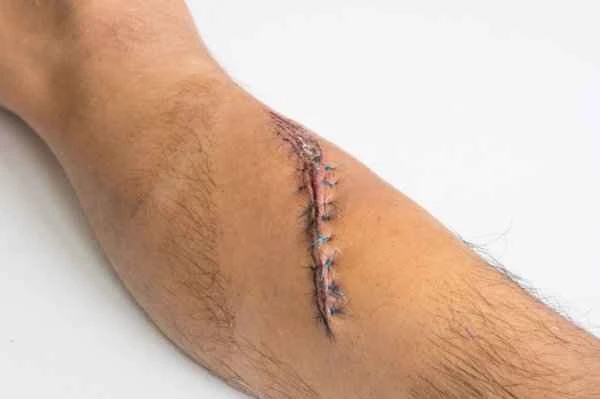
[Management Tip:]
1. Regularly observe changes in the scar, record them promptly, and report them to your doctor.
2. Follow your doctor's advice and use medications and physical therapy methods appropriately.
3. Pay attention to daily care to avoid irritation or infection of the scar.
4. Maintain a positive attitude and actively cooperate with treatment.