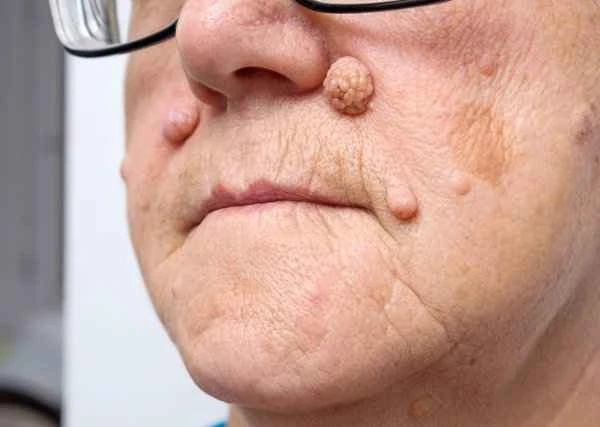
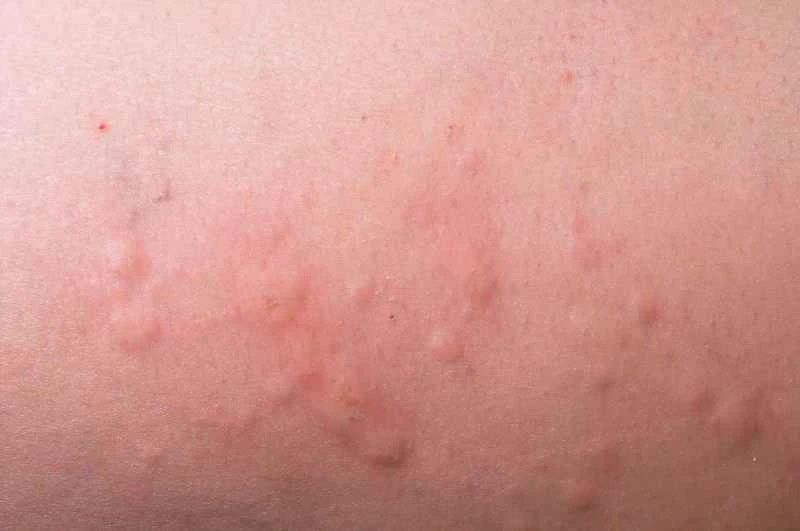
Peeling and pain from cheilitis are caused by inflammation of the lip skin, and appropriate measures need to be taken to relieve symptoms and promote recovery.
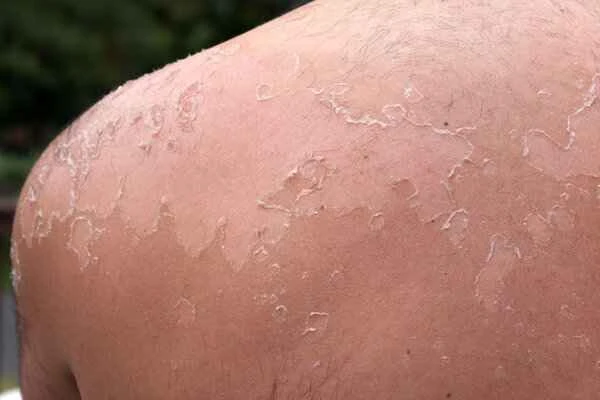
Strategies for managing peeling and pain from cheilitis mainly include keeping the lips clean and moisturized, avoiding irritating foods and environmental factors, and using medication when necessary. Keeping the lips clean and moisturized is key to preventing and treating cheilitis. Cleanse your lips with a gentle cleanser, then apply a moisturizing lip balm to help restore the skin barrier function of the lips. Avoid spicy, acidic, and other irritating foods, as these may worsen cheilitis symptoms. Also, avoid exposure to extreme temperatures and dry environments, as these environmental factors may exacerbate the inflammatory response of the lips. Finally, in cases of severe or persistent symptoms, medication may be considered. Commonly used medications include ointments containing corticosteroids, which can reduce inflammation and relieve pain and peeling. When using medication, follow your doctor's advice and adhere to the correct dosage and method of application to avoid possible side effects and adverse reactions.
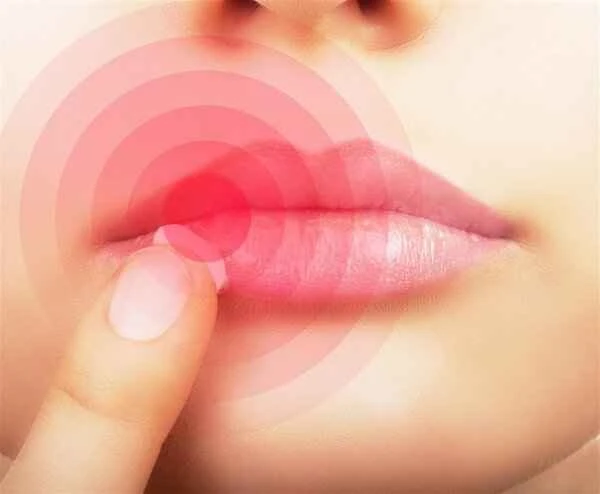
When treating cheilitis, it's important to avoid some common misconceptions. Some people may mistakenly believe that cheilitis is caused by vitamin deficiency or malnutrition and therefore supplement with vitamins or nutritional supplements on their own. This can lead to an overdose of vitamins or supplements, causing other health problems. Others may mistakenly believe that cheilitis is caused by allergies and therefore use antihistamines on their own. This can mask symptoms, leading to delayed or worsened treatment. When treating cheilitis, it's crucial to follow your doctor's advice and avoid self-medicating or supplementing to ensure the safety and effectiveness of the treatment.
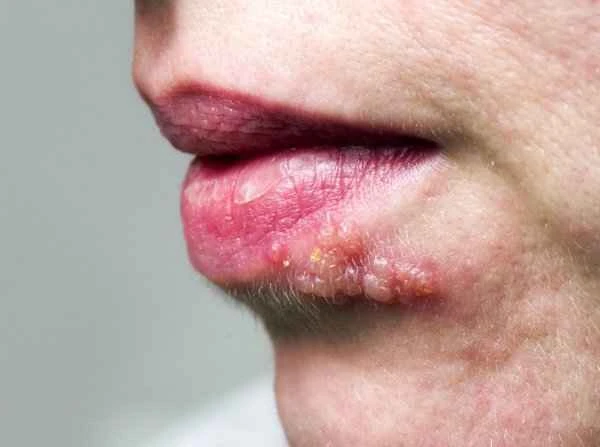
[Management Tip:]
1. Keep your lips clean and avoid using harsh cosmetics.
2. Avoid consuming spicy, acidic, or other irritating foods, and avoid exposure to extreme temperatures and dry environments.
3. If symptoms are severe or persistent, seek medical attention promptly and use medication as prescribed.