Scar removal involves a series of medical procedures to reduce or eliminate scar tissue on the inside of the thigh. Scars on the inside of the thigh may be caused by surgery, trauma, or inflammation. Scar removal is not only for aesthetic reasons, but also to restore normal skin function and reduce discomfort.
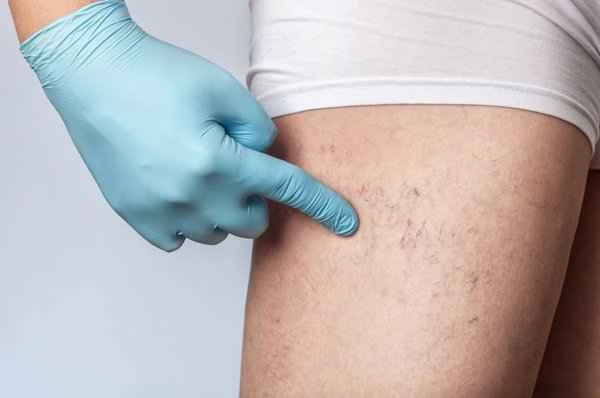
When treating scars on the inner thigh, the main principles of treatment include promoting skin regeneration, reducing inflammation, and improving blood circulation. These methods can be used alone or in combination for optimal results. For example, laser therapy can improve the appearance of scars by stimulating collagen regeneration in the skin, while topical medications such as silicone gels or corticosteroids can reduce redness and hardness. Physical therapies such as pressure therapy and massage also help improve the texture and appearance of scar tissue. These treatments work synergistically through different mechanisms to promote the softening and remodeling of scar tissue, ultimately improving or eliminating the scar.
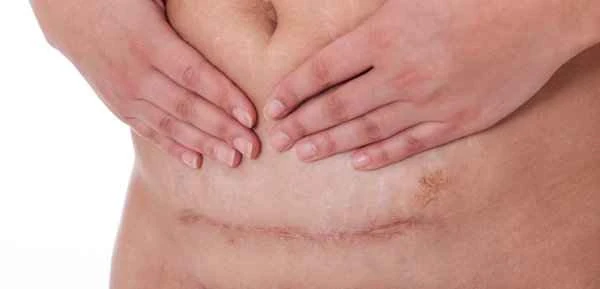
When considering removal of scars on the inside of the thigh, it's important to recognize that treatment is not without risks. Laser treatment may cause temporary redness and pain, while long-term use of certain medications may cause hyperpigmentation or allergic reactions. Treatment outcomes can vary from person to person, and some scars may be difficult to completely eliminate, requiring long-term management and maintenance. When choosing a treatment method, it's crucial to fully understand the potential risks and limitations of each approach, avoiding blindly pursuing quick results while ignoring possible side effects.
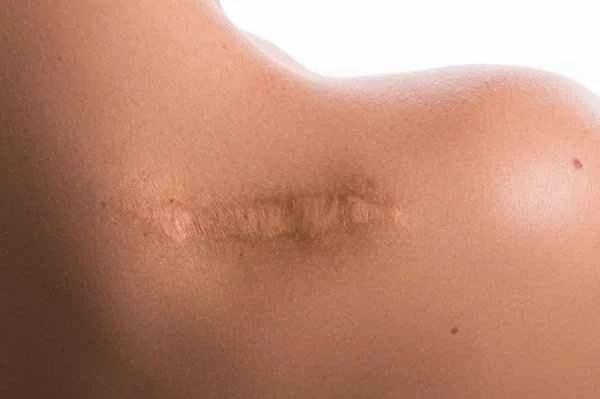
[Management Tip:]
1. Before undergoing any treatment, consult a professional dermatologist to understand the specific type of scar and the possible effects of treatment.
2. Have regular skin examinations to monitor changes in scarring.
3. Follow your doctor's advice and use medications or undergo physical therapy as appropriate.
4. Pay attention to personal hygiene and avoid friction or infection of the scar area.