Removing dark spots caused by seborrheic dermatitis requires a comprehensive treatment approach to reduce inflammation and pigmentation. Seborrheic dermatitis is a common skin condition that typically occurs in areas rich in sebaceous glands, such as the scalp, face, and chest. The dark spots are caused by pigmentation due to inflammation, and their removal requires a holistic approach that considers inflammation control, skin barrier repair, and treatment of the pigmentation.
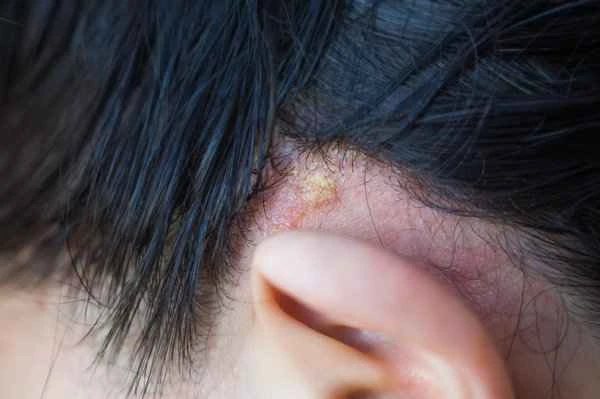
When treating dark spots caused by seborrheic dermatitis, controlling inflammation is the first step. This is typically achieved through the use of antifungal medications, corticosteroids, or other anti-inflammatory drugs. Antifungal medications such as ketoconazole inhibit the growth of the fungi that cause inflammation, while corticosteroids effectively reduce the inflammatory response. Using skincare products containing niacinamide or vitamin C can help reduce inflammation and pigmentation. These ingredients promote normal skin cell metabolism and reduce the production of inflammatory mediators, thereby alleviating the inflammatory response.
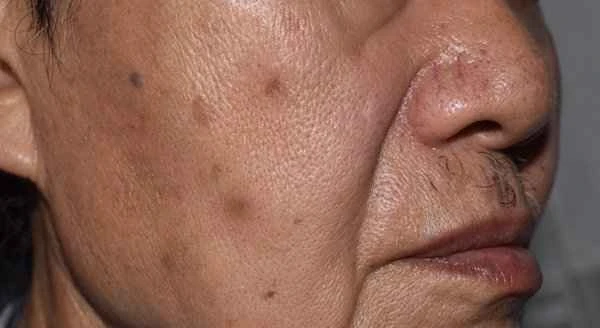
While controlling inflammation, repairing the skin barrier is also a key step in removing dark spots. Patients with seborrheic dermatitis have impaired skin barrier function, making them prone to moisture loss and the invasion of external irritants. Using restorative skincare products containing ceramides, cholesterol, and fatty acids can help restore skin barrier function. These ingredients can rebuild the skin barrier, reduce the invasion of external irritants, and thus alleviate inflammation and pigmentation.
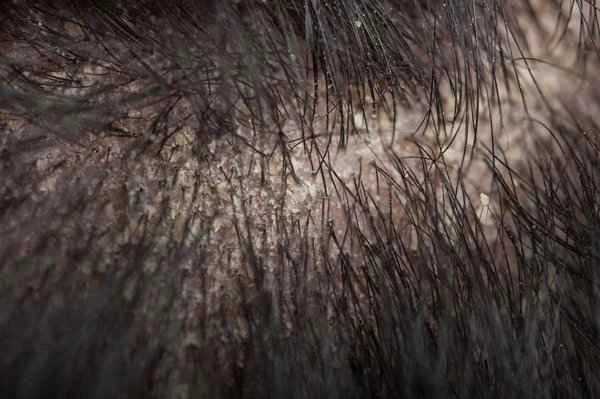
[Management Tip:]
1. Use medications containing antifungal ingredients and corticosteroids to control inflammation.
2. Use skincare products containing niacinamide or vitamin C to reduce inflammation and pigmentation.
3. Use restorative skincare products containing ceramides, cholesterol, and fatty acids to restore the skin barrier function.