When urticaria flares up, antihistamines can be used under the guidance of a doctor to relieve symptoms. The following are common medication options and precautions:
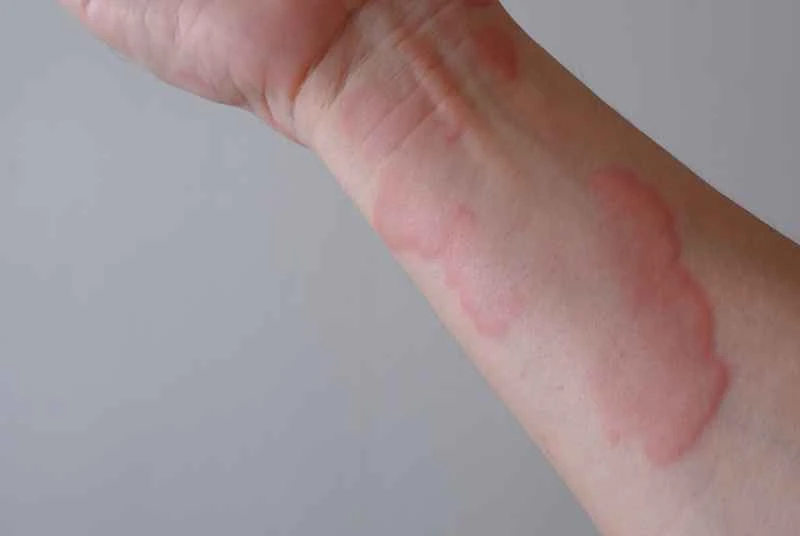
1. **Commonly Used Oral Medications**: Such as loratadine and cetirizine. These medications help relieve itching and wheals, and are usually taken once a day. Some people may experience mild drowsiness; it is recommended to choose medications based on individual circumstances.

2. **Topical adjuvant medications:** Calamine lotion applied to the affected area has a cooling and antipruritic effect, suitable for temporary relief of skin discomfort, but should not be used if the skin is broken.
3. **Special Circumstances Management:** If symptoms recur or are accompanied by difficulty breathing, seek medical attention promptly. Your doctor may prescribe other types of medication for a short period. Do not adjust the dosage on your own.
In daily life, it's important to keep a record of your diet, environment, and other factors that trigger an attack, and avoid contact with known allergens. If symptoms do not improve or worsen while using medication, discontinue use and consult a doctor. Keeping your skin clean and wearing loose clothing can also help reduce irritation.