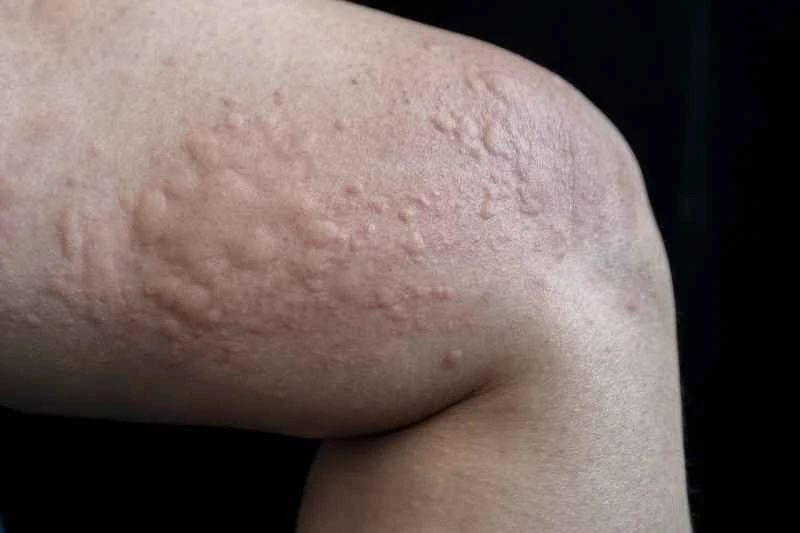
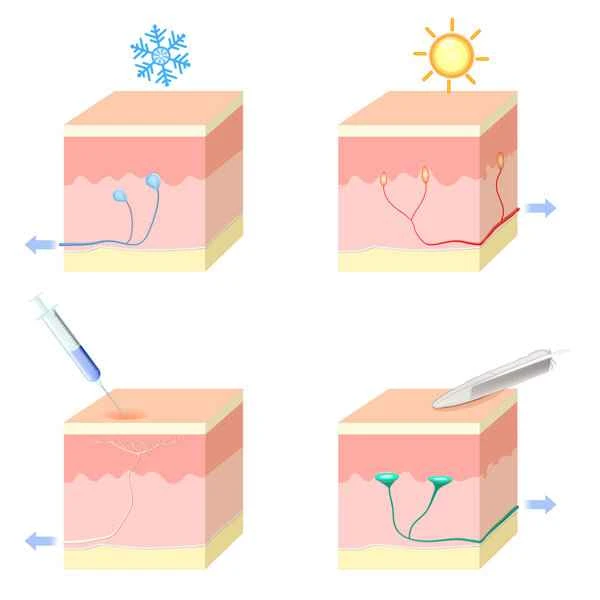
Artificial urticaria may heal on its own, but not all cases will improve on their own. It is recommended that female patients adjust their care methods or seek medical attention in a timely manner according to the severity of their symptoms.
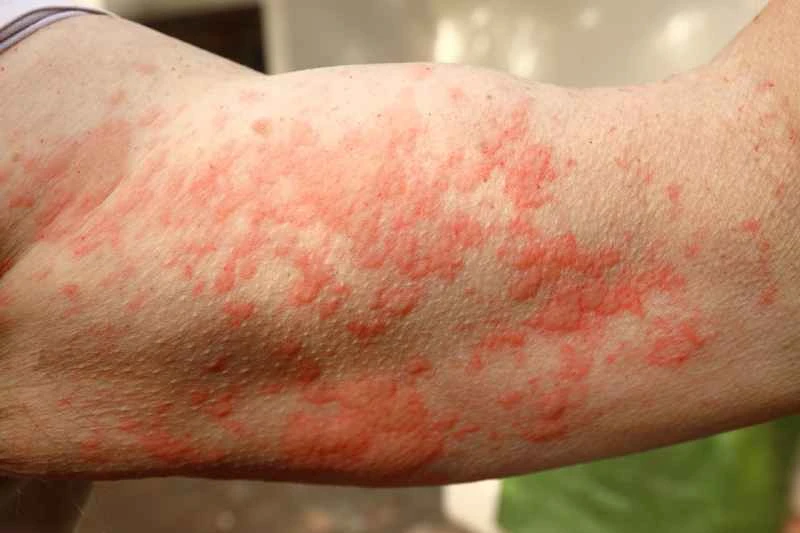
1. **Mild symptoms may resolve on their own.**
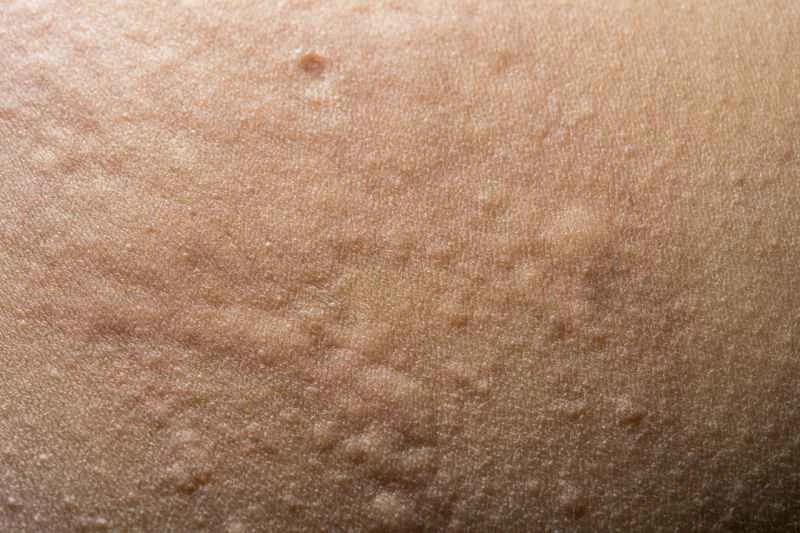
If the skin only shows temporary redness after slight scratching and is not accompanied by significant itching, some people's symptoms will gradually lessen or disappear over time by avoiding irritation, reducing friction, and keeping the skin moisturized.
2. **Recurring episodes should be taken seriously.**
If red marks and itching occur frequently or last for a long time, it may be related to physical condition, skin sensitivity, or internal factors. The possibility of self-healing is low, and delaying treatment may affect daily life.
3. **When should you consider seeking medical attention?**
If symptoms persist for several weeks, itching affects sleep, or is accompanied by other discomfort, it is recommended to consult a doctor. A professional evaluation can help determine the cause and guide whether medication or other interventions are needed.
In general, mild symptoms can be observed and managed through daily care, but recurring or worsening symptoms should prompt a visit to the doctor for advice. Wearing loose, soft clothing, avoiding excessively hot baths, and keeping a record of flare-ups can help manage skin condition.