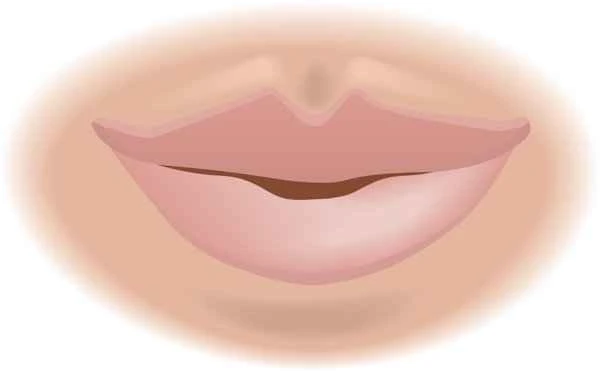
Urticaria (hives) is mainly related to allergic reactions. When the body comes into contact with certain substances or is irritated, it may release substances such as histamine, leading to redness, swelling, and itching of the skin. Treatment usually involves avoiding triggers and using appropriate medication, and relief can be achieved in most cases.
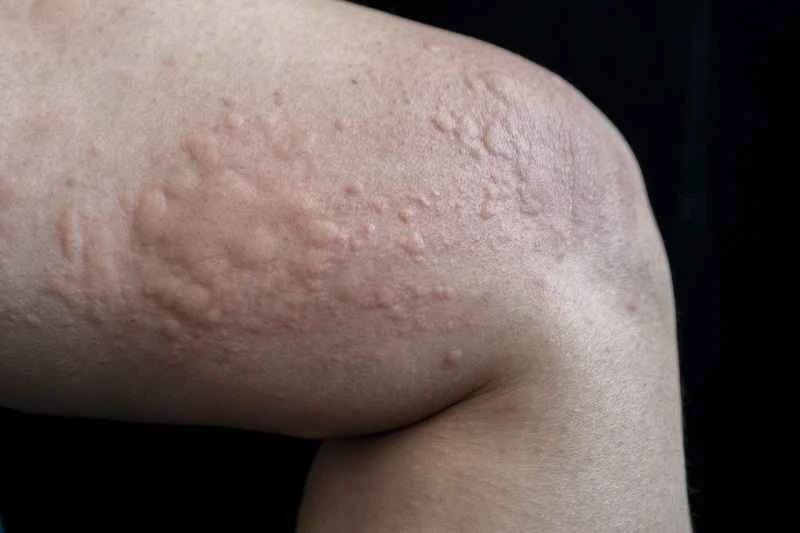
1. Common triggers: Foods such as seafood and nuts, medications such as antibiotics, and environmental pollen and dust mites can all trigger symptoms. Emotional stress and temperature changes can also be triggers.

2. Symptom characteristics: Red or skin-colored wheals of varying sizes appear on the skin, accompanied by significant itching. They usually subside within a few hours, but may recur.
3. Treatment: Under the guidance of a doctor, antihistamines can be used to relieve itching and redness. If symptoms recur, it may be necessary to keep a record of daily contact with items and diet to help identify and avoid triggers.
We recommend that you seek medical attention promptly for examination so that a doctor can assess your specific situation and develop a treatment plan. In daily life, wearing loose-fitting cotton clothing, avoiding scratching your skin, and maintaining a relaxed mood can help reduce flare-ups.