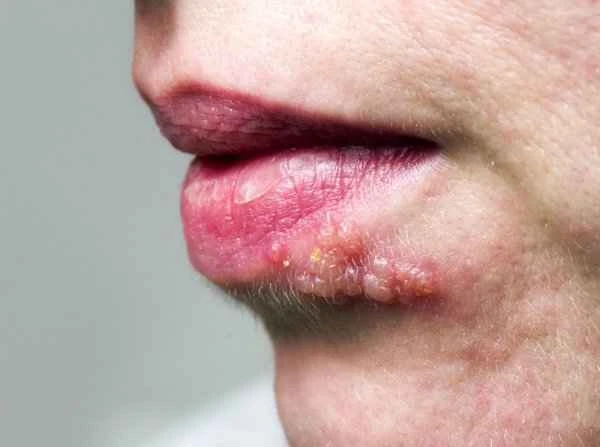
If scrotal folliculitis has not improved after half a month, it means that the skin infection may be quite stubborn or there may be other complex factors.
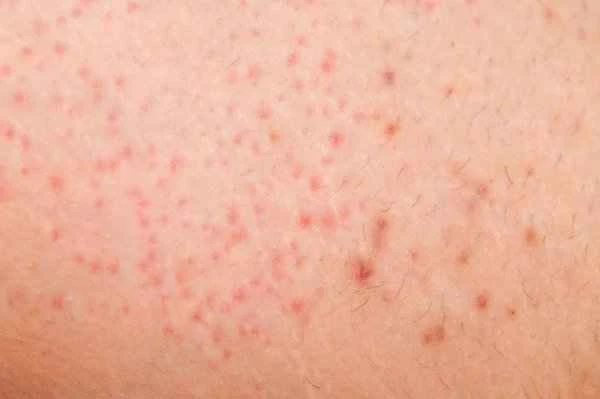
Scrotal folliculitis is a common skin infection, usually caused by bacteria such as Staphylococcus aureus. This infection causes inflammation of the hair follicles in the scrotum, manifesting as redness, swelling, pain, and pustules. If the infection persists for more than two weeks without improvement, it may be because the bacteria at the site of infection have developed antibiotic resistance, or the patient's immune system is unable to effectively fight the infection. If the infection occurs in a damp, poorly ventilated environment, or if the patient has chronic diseases such as diabetes, it may also be difficult for the infection to heal. During treatment, the doctor may prescribe appropriate antibiotics depending on the specific circumstances of the infection, and will also advise the patient to keep the area clean and dry, avoiding friction and irritation to promote healing.

When treating scrotal folliculitis, patients may encounter some misconceptions, such as believing that antibiotics alone can solve the problem, while neglecting adjustments to personal hygiene and lifestyle habits. In reality, medication alone is insufficient; it must be combined with good personal hygiene practices, such as keeping the area clean and dry, avoiding the use of irritating bath products, and wearing breathable underwear. If the infection is accompanied by symptoms such as fever or increased pain, medical attention should be sought promptly to prevent the condition from worsening.

[Management Tip:]
1. Keep the infected area clean and dry, and avoid friction and irritation.
2. Avoid using irritating bath products and wear breathable underwear.
3. If symptoms of infection worsen or are accompanied by fever, seek medical attention promptly.