Scar recurrence refers to the recurrence of scar hyperplasia in a previously healed wound during the scar repair process. The key to preventing scar recurrence lies in reducing the formation of scar tissue by using scientific methods to promote wound healing and avoid excessive scar proliferation.
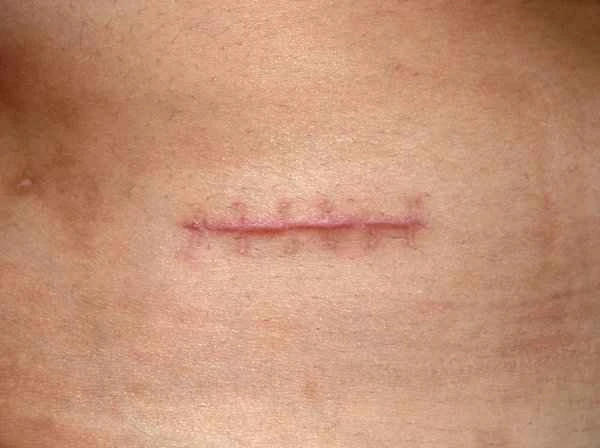
The key to preventing scar recurrence lies in using a combination of methods to promote wound healing and reduce scar formation. Clean and proper wound care is fundamental to preventing recurrence. Keeping the wound clean avoids infection and reduces inflammation, thus lowering the risk of scar formation. Using anti-scarring medications or dressings, such as silicone sheets or anti-scarring gels, can effectively inhibit scar hyperplasia. These medications reduce fibroblast proliferation by regulating cell growth and differentiation, thereby preventing recurrence. A healthy diet and lifestyle also play a crucial role in preventing recurrence. Adequate protein and vitamin intake promotes wound healing and reduces scar formation. Avoid smoking and excessive alcohol consumption, as these habits inhibit wound healing and increase the risk of recurrence.
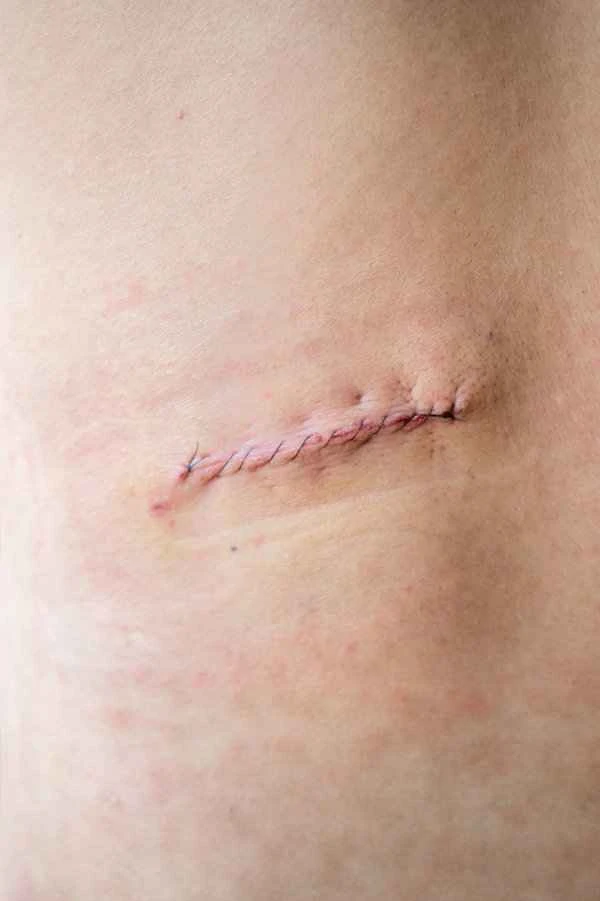
There are some potential risks and misconceptions in treating scar recurrence. For example, overuse of certain anti-scar medications may cause skin irritation or allergic reactions. Some patients may mistakenly believe that all scars can be prevented or treated with simple topical medications, neglecting more effective treatments such as surgical excision. Preventing scar recurrence requires comprehensive consideration of multiple factors and selection of the most suitable treatment plan based on individual circumstances.
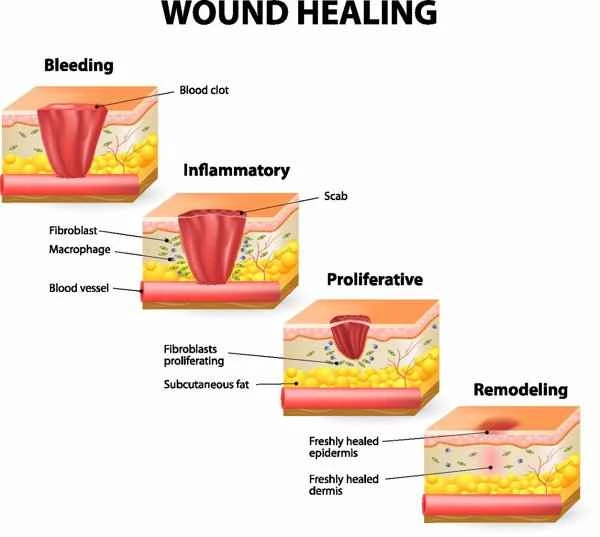
[Prevention Tips:]
1. Keep the wound clean to prevent infection.
2. Use anti-scarring medications or dressings, such as silicone sheets, anti-scarring gels, etc.
3. Maintain good eating habits and consume enough protein and vitamins.
4. Avoid smoking and excessive drinking to promote wound healing.