Dry eczema is not contagious, so you can rest assured. It's a skin problem caused by factors such as a damaged skin barrier, dry environment, or allergies. It's recommended to relieve symptoms by increasing moisturization and avoiding irritants.
This can be understood from the following aspects:
1. **Contagion requires specific conditions:** Contagion usually refers to the spread of pathogens such as bacteria and viruses between people. However, dry eczema is mainly related to individual constitution, skin care habits, or external stimuli, and does not have a source of infection or a route of transmission.
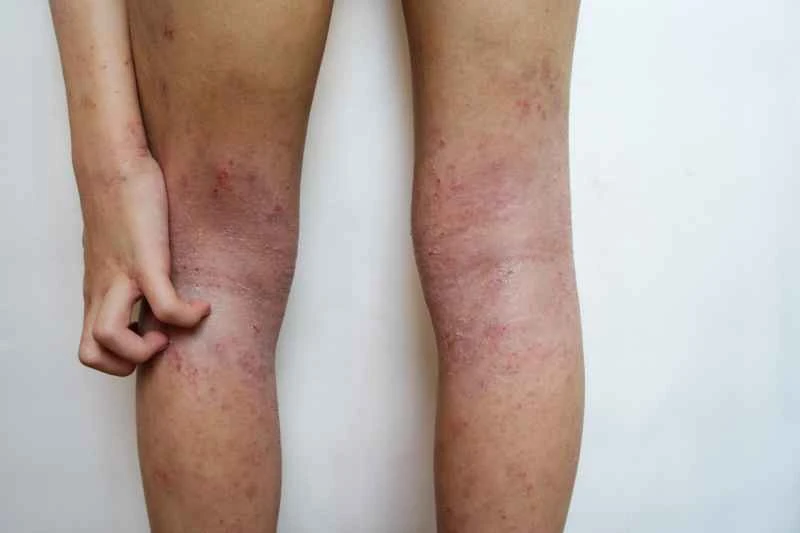
2. **Symptoms can be misleading:** Redness, peeling, or slight oozing of the skin can be mistaken for contagiousness. In reality, these are signs of an inflammatory response in the skin and are not transmitted to others through contact.
3. **Genetic factors may be involved:** Some patients have a family history of allergic diseases, which is a genetic predisposition rather than direct transmission. If multiple family members exhibit similar symptoms, it is often related to shared living environments or habits.
For daily care, please focus on using gentle moisturizing products, avoid frequent washing with hot water and scratching, and minimize direct contact between synthetic fiber clothing and skin. If symptoms recur or worsen, consult a doctor promptly for more suitable personal care guidance.