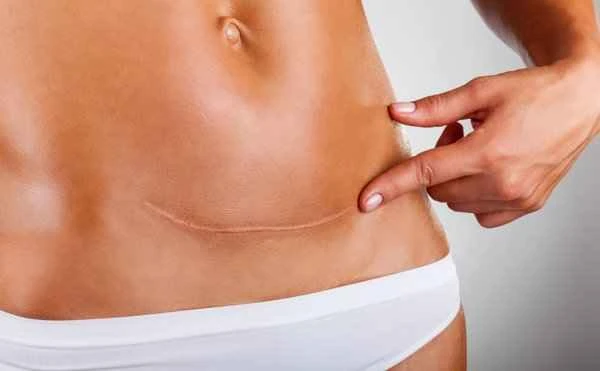
The time it takes for hypertrophic scars to soften varies from person to person, typically ranging from several months to a year. Hypertrophic scarring refers to a pathological condition caused by excessive collagen deposition during wound healing. It is characterized by its hardness, dark color, and sometimes accompanied by itching or pain. Excessive collagen deposition and abnormal arrangement are key factors in hypertrophic scarring. Over time, these abnormal collagen fibers are gradually replaced by normal tissue, leading to softening and lighter color of the scar.
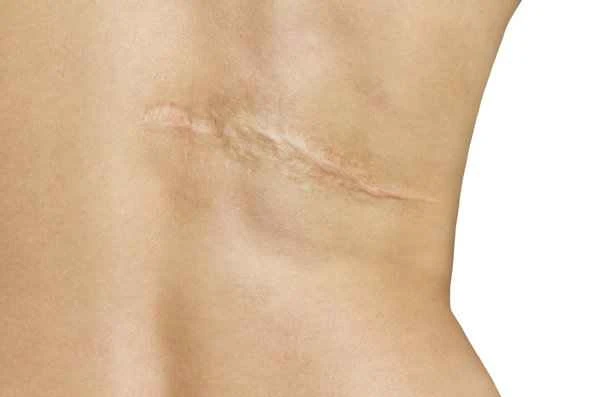
The softening process of hypertrophic scars is influenced by various factors, including individual constitution, scar location and size, and treatment methods. For example, using silicone sheets or gels can reduce redness and hardness of scars, promoting their softening; local injections of steroid medications can inhibit excessive collagen synthesis, aiding in scar softening and regression. Keeping the wound clean and avoiding strenuous exercise are also important measures to promote scar recovery.
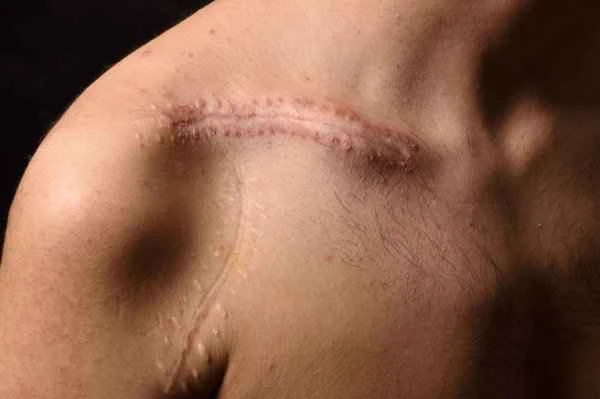
There are some common misconceptions in the treatment of hypertrophic scars, such as the belief that all scars can be completely eliminated with simple topical medications, or that once a scar forms, it cannot be changed. In reality, scar recovery is a gradual process that requires a combination of treatments and patience throughout the process. When treating hypertrophic scars, it's also important to avoid excessive stretching of the wound area, as this can worsen scar formation.
[Management Tip:]
1. Use products such as silicone sheets or gels to help soften scars.
2. Consider local injection of steroid medications to promote scar softening.
3. Keep the wound clean to prevent infection.
4. Regular follow-up examinations to monitor changes in the scar.