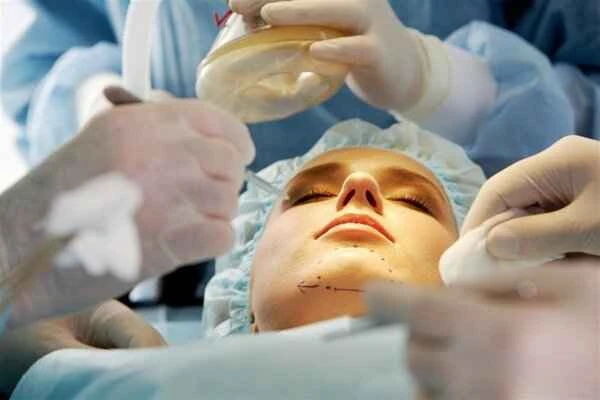
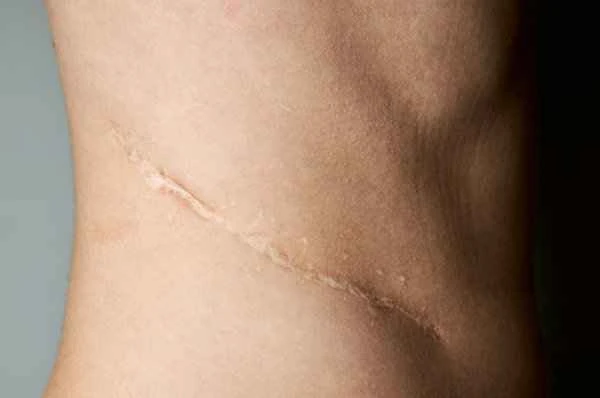
Hypertrophic scarring after a facelift indicates abnormal scar tissue growth during the wound healing process. Hypertrophic scarring is a common postoperative complication that not only affects appearance but can also cause discomfort. To address this issue, it's essential to understand the causes and mechanisms of hypertrophic scarring. It is typically closely related to individual genetic factors, skin tension, surgical technique, and postoperative care. During surgery, meticulous technique and minimizing tissue damage can reduce the risk of hypertrophic scarring. Postoperatively, the use of anti-scarring medications, pressure garments, or laser treatment can effectively inhibit excessive scar growth. These methods work through different mechanisms; for example, anti-scarring medications inhibit fibroblast activity and reduce excessive collagen deposition, while pressure garments apply continuous pressure to limit the expansion of scar tissue. Maintaining good postoperative care habits, such as avoiding direct sunlight and keeping the wound clean, are also important measures for preventing and treating hypertrophic scarring.

In treating hypertrophic scars, it's important to be aware of some potential risks and misconceptions. Overuse of certain anti-scar medications may cause skin irritation or other adverse reactions; therefore, consult a professional doctor before use and choose the appropriate medication based on your individual situation. Treatment for hypertrophic scars often requires a long process, and obvious results may not be visible in the short term. Patients should be patient and follow their doctor's instructions. Finally, the effectiveness of hypertrophic scar treatment is influenced by various factors, including individual differences, timing of treatment, and methods. Therefore, when choosing a treatment method, these factors should be considered comprehensively, avoiding blindly following trends or believing in unproven therapies.
[Management Tip:]
1. Regular follow-up visits and timely adjustments to the treatment plan.
2. Avoid direct sunlight and use sunscreen to protect the wound.
3. Keep the wound clean to prevent infection.
4. If redness, swelling, pain or other abnormal symptoms occur, seek medical attention promptly.