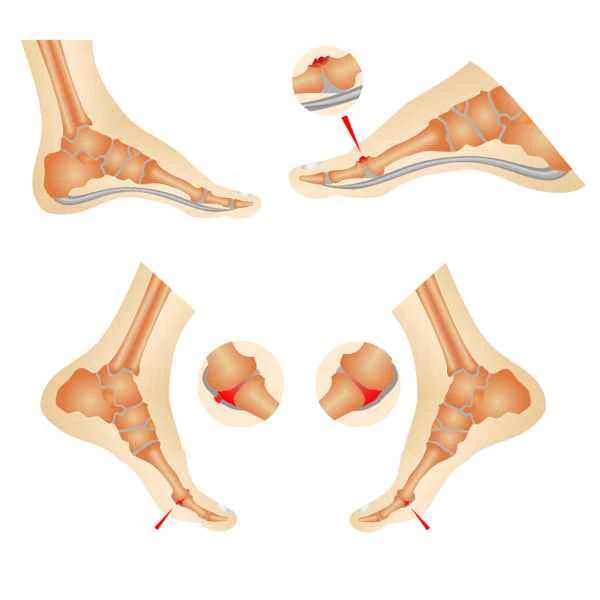
The key to treating toe traction scars lies in reducing the restriction of toe movement caused by the scar and restoring the toe's normal function.
Treatment for toe traction scars primarily involves physical therapy, medication, and surgery. Physical therapy promotes blood circulation through massage and heat application, accelerating the softening and absorption of scar tissue, thereby reducing the restriction of toe movement. Medication mainly uses anti-scarring drugs, such as silicone gel, which promote the softening and absorption of scar tissue and reduce scar formation. In some cases, if the scar tissue is large or physical and medication treatments are ineffective, surgery may be necessary to remove the scar tissue and restore normal toe function. These treatment methods work in combination; physical therapy and medication are often the first-line non-surgical treatments, while surgery is an option when other methods fail.
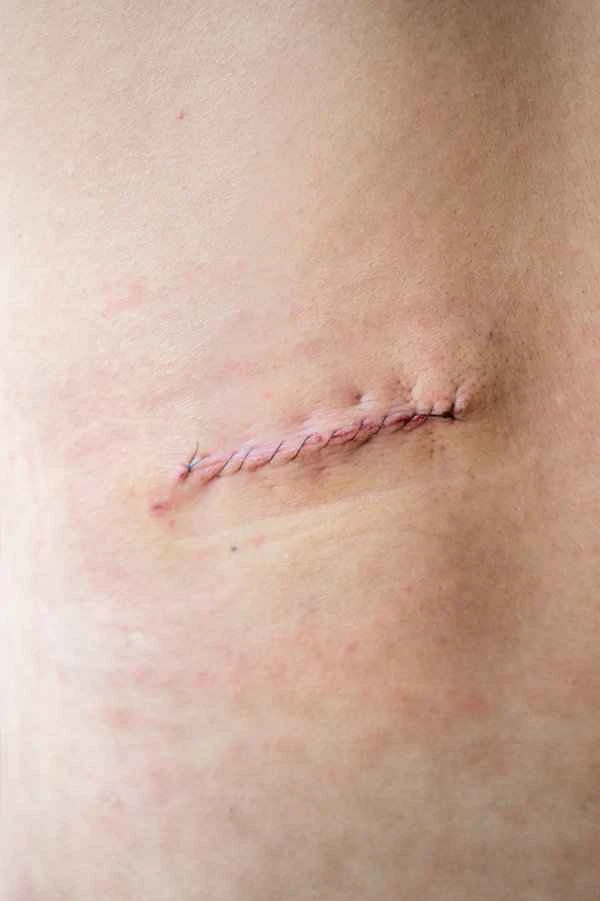
During treatment, patients may encounter some risks and misconceptions. Excessive physical therapy may lead to further scar tissue growth, worsening symptoms. Some patients may become dependent on medication, neglecting the importance of physical therapy and lifestyle modifications. Finally, while surgical treatment can completely resolve scarring, it also carries certain risks, such as infection and bleeding, and therefore requires careful consideration.
[Management Tip:]
1. Regularly perform physical therapy for toe traction scars, such as massage and hot compresses.
2. Use anti-scarring medications, such as silicone gel, to promote the softening and absorption of scar tissue.
3. Avoid excessive physical therapy to prevent aggravating the proliferation of scar tissue.
4. Surgical treatment may be considered when drug therapy and physical therapy are ineffective, but should be chosen with caution.