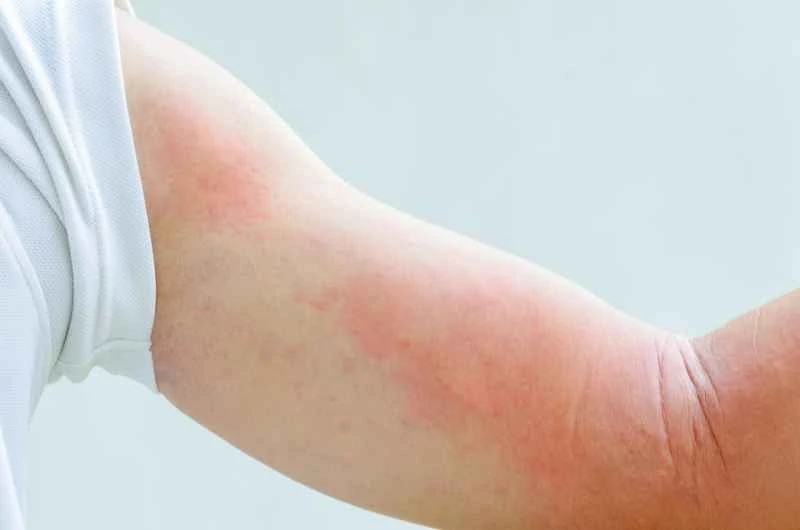
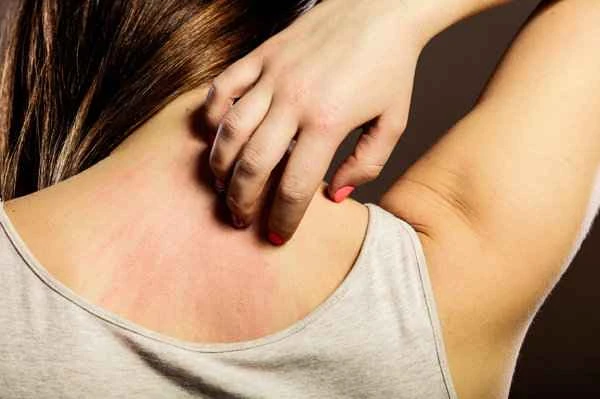
Hand scar contracture refers to the problem of limited joint movement caused by scar tissue formed after a hand injury, which requires comprehensive treatment to improve.
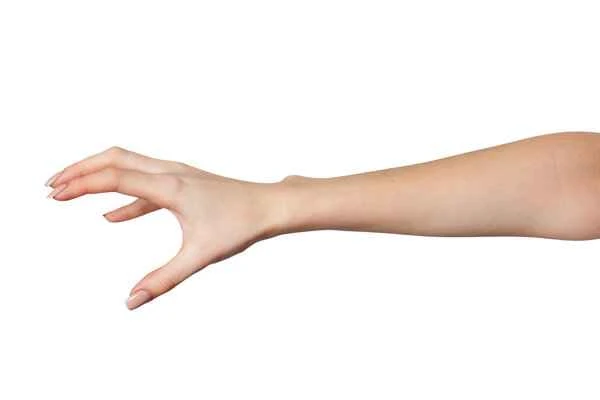
Treatment of hand scar contractures typically includes both non-surgical and surgical methods. Non-surgical treatment primarily involves physical therapy, pressure garments, and braces to reduce tension in the scar tissue, promote scar softening, and increase joint mobility. Physical therapy includes heat therapy, cryotherapy, and ultrasound therapy, which improve blood circulation and promote the softening and absorption of scar tissue. Pressure garments and braces apply continuous pressure to prevent excessive scar tissue proliferation while maintaining joint range of motion. Surgical treatment is suitable when non-surgical treatments are ineffective. Common surgical procedures include scar excision, skin grafting, and joint release surgery. These surgical methods effectively remove scar tissue, restore the normal structure and function of the skin, and improve joint mobility through joint release surgery.
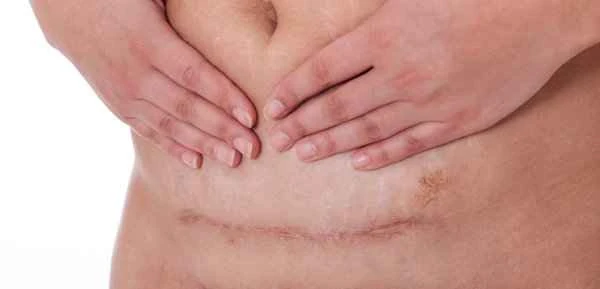
When treating hand scar contractures, patients and their families should be aware that the treatment outcome is influenced by various factors, including the type, location, and size of the scar, as well as the patient's overall health. These factors must be considered comprehensively when choosing a treatment method, and the procedure should be conducted under the guidance of a professional physician. Complications such as infection and hypertrophic scarring may occur during treatment; therefore, close monitoring of the wound and prompt management of any problems are necessary.
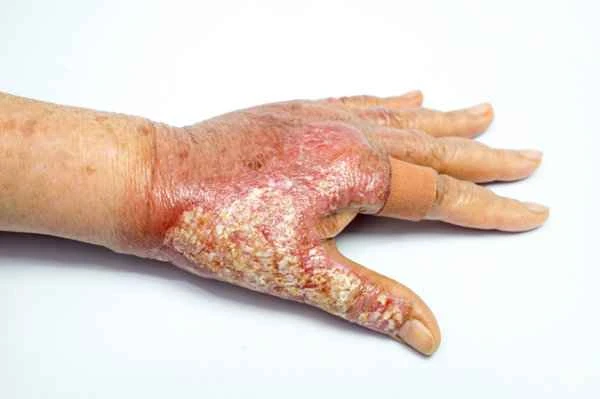
[Management Tip:]
1. Regular physical therapy, such as heat therapy and cold therapy, can help soften scars.
2. Use pressure garments or braces to maintain the range of motion of the joints and prevent excessive scar tissue formation.
3. If any abnormalities such as infection or redness occur, seek medical attention promptly.