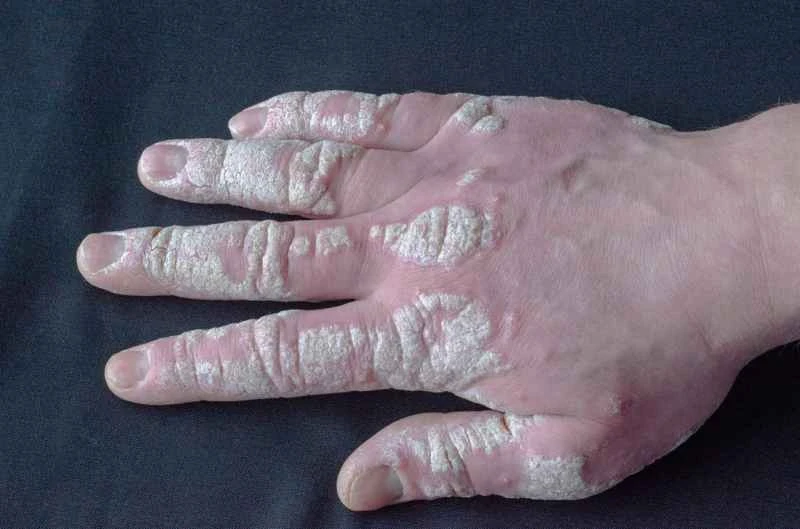
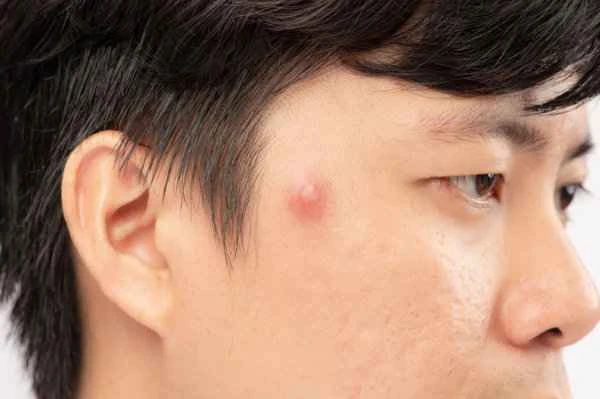
Keloid lesions that have broken open or become hollow need to be treated promptly to avoid infection and further tissue damage.
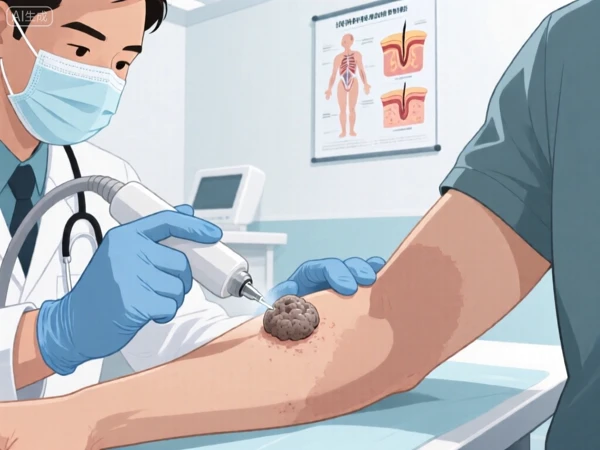
The first step in treating a ruptured keloid scar is to keep the wound clean and dry to prevent bacterial infection. If redness, swelling, increased pain, or pus discharge occurs, these may be signs of infection and require immediate medical attention. After a keloid scar ruptures, avoid cleaning it yourself or using any medications without a doctor's guidance, as improper handling can worsen the injury or lead to infection. Your doctor may recommend antibiotic ointment and prescribe appropriate medications depending on the specific condition of the wound. Larger ruptures may require debridement, and in some cases, surgical intervention may be necessary. Treating a ruptured keloid scar also requires comprehensive care, including a proper diet, avoiding strenuous exercise, and maintaining a positive attitude, all of which help promote wound healing and reduce the formation of keloids.
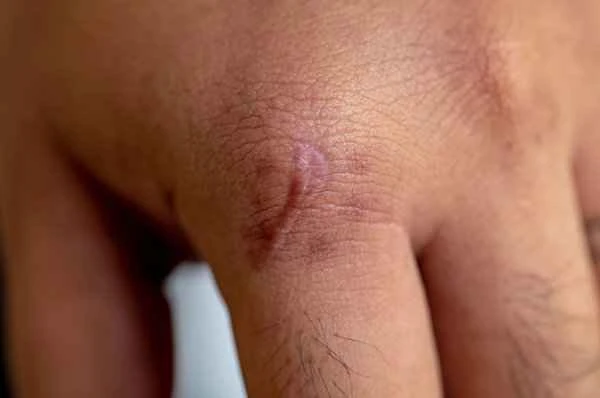
When treating ruptured keloid cavities, patients may encounter some misconceptions, such as believing that all keloids can be cured with simple topical medications, or ignoring the potential risk of infection from the ruptured cavity. In reality, keloid treatment requires comprehensive consideration of multiple factors, including the extent of the rupture, the size of the keloid, and its location. When treating ruptured keloid cavities, it is essential to follow the professional advice of a doctor and avoid self-treatment that could lead to infection or other complications.
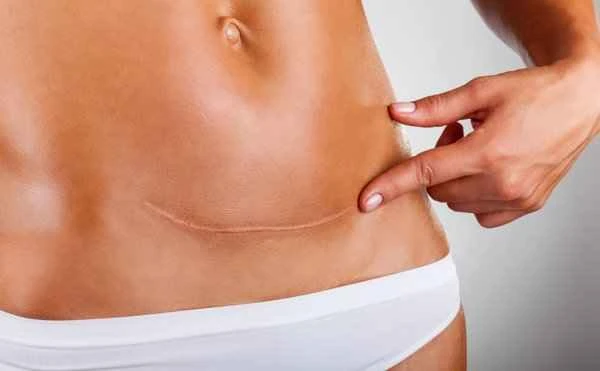
[Management Tip:]
1. Keep the wound clean and dry, and avoid contact with water.
2. Change the dressing regularly and observe the wound healing process.
3. If redness, swelling, increased pain, or pus discharge occurs, seek medical attention immediately.
4. Follow your doctor's instructions when using antibiotic ointments or other medications.