The difference between shingles and eczema is that the former is a skin infection caused by the varicella-zoster virus, while the latter is a common skin disease that is usually associated with allergies or skin barrier dysfunction.
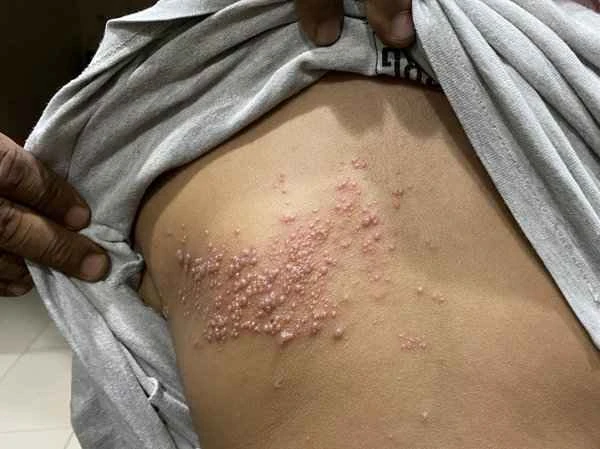
The difference between shingles and eczema lies in their completely different causes, symptoms, and treatments. Understanding these differences helps patients receive timely and accurate diagnosis and treatment. This not only helps alleviate symptoms but also effectively prevents the condition from worsening.
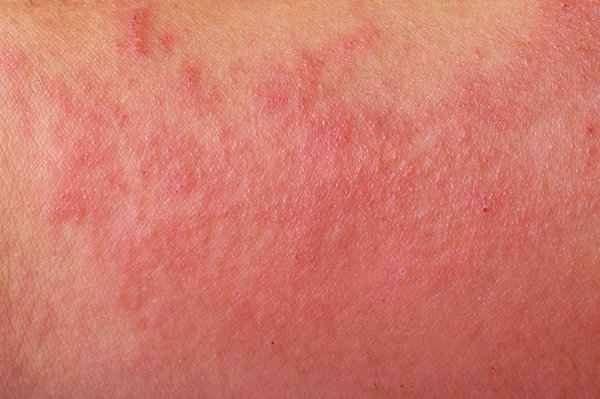
Shingles is caused by the reactivation of the varicella-zoster virus after it has been dormant in the body. It typically manifests as a painful rash along nerve distribution areas, accompanied by blisters. Eczema, on the other hand, is a common inflammatory skin reaction, usually associated with allergies, environmental factors, or impaired skin barrier function. It presents as dry skin, erythema, itching, and sometimes small blisters. Treatment for shingles usually includes antiviral drugs and pain relievers, while treatment for eczema focuses on relieving symptoms and repairing skin barrier function, such as using moisturizers and topical corticosteroids.
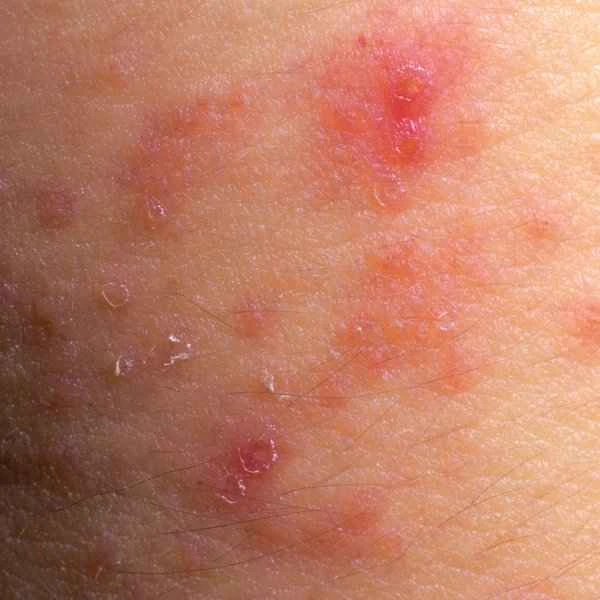
After understanding the differences between shingles and eczema, patients should undergo appropriate examinations and treatments as advised by their doctors. It is important to note that although some symptoms may be similar, the treatments are drastically different. Patients should not self-diagnose when faced with symptoms but should seek help from a professional doctor to ensure they receive the correct diagnosis and treatment plan. At the same time, patients should follow their doctor's instructions, take medication on time, and attend regular follow-up appointments to ensure effective control of the condition.
【Useful Tips:】
1. Carefully observe the distribution and shape of the rash, as this can help distinguish between shingles and eczema.
2. Seek medical attention promptly to determine the specific cause of the illness through professional examination and diagnosis.
3. Follow your doctor's treatment advice, use medication correctly, and avoid self-medicating, which may worsen your condition.
4. Maintain good lifestyle habits, pay attention to personal hygiene, and avoid skin irritation.