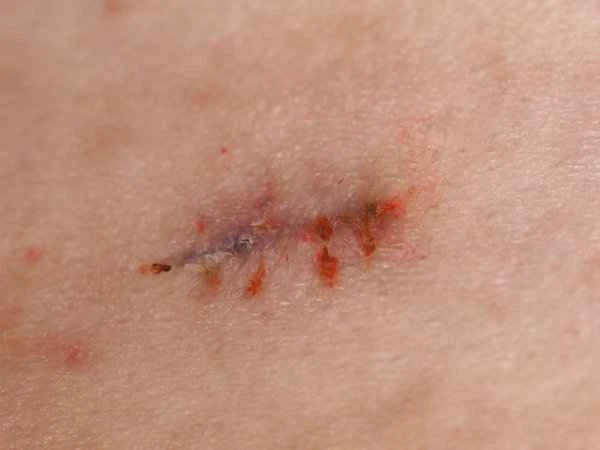
The rapid recovery of keloid scars primarily relies on scientific treatment methods and daily care. Keloid scars are formed due to excessive collagen proliferation after skin injury, affecting not only appearance but also potentially causing pain and discomfort. To accelerate recovery, it's essential to understand the basic mechanisms of scar formation, including inflammatory responses, cell proliferation, and collagen deposition. In this process, the inflammatory response is the initiating factor, activating fibroblasts and promoting collagen synthesis and deposition. By controlling the inflammatory response, excessive collagen proliferation can be effectively reduced, thereby accelerating keloid scar recovery. Keeping the wound clean, avoiding irritation, and providing appropriate nutritional supplementation are also key factors in promoting recovery.
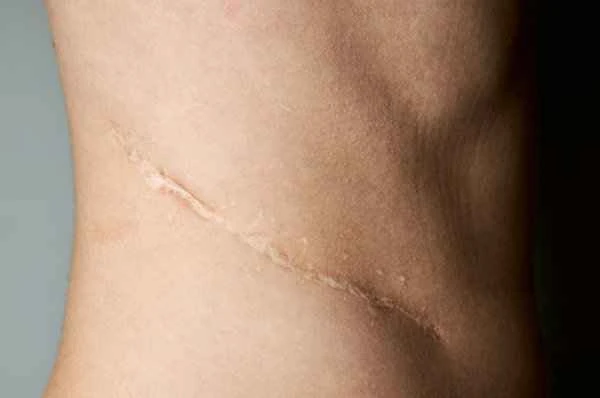
When treating keloid scars, it's important to note that not all methods are suitable for everyone, as each person's constitution and scar condition are different. For example, using silicone sheets or gels can help keep the scar area moist, promoting softening and healing, but this method may not be effective for some people. Some patients may choose laser treatment or local corticosteroid injections to reduce the hardness and discomfort of the scar; however, these methods may have side effects such as skin pigmentation or an increased risk of infection. When choosing a treatment method, it is essential to consider the individual's specific circumstances, including the type, location, and size of the scar, as well as the patient's overall health.
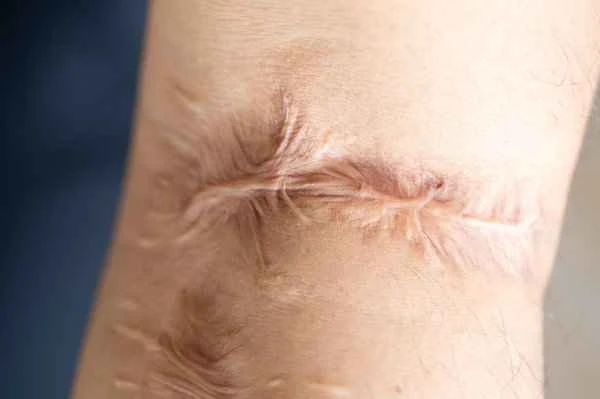
[Management Tip:]
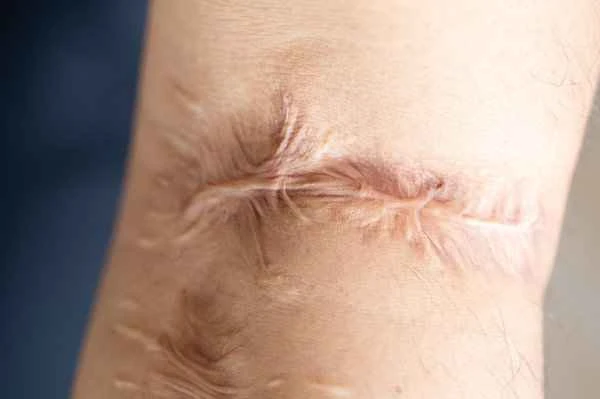
1. Using silicone sheets or gels to keep the scar area moist can help soften the scar.
2. Regular gentle massage can promote blood circulation and speed up recovery.
3. Avoid direct friction and pressure on the scarred area to reduce irritation.
4. Under the guidance of a doctor, consider using topical medications or receiving professional treatments such as laser therapy.