Keloid-prone constitution refers to a condition where the body is prone to developing excessive scarring after injury. The best approach to treating this condition is prevention and comprehensive treatment.
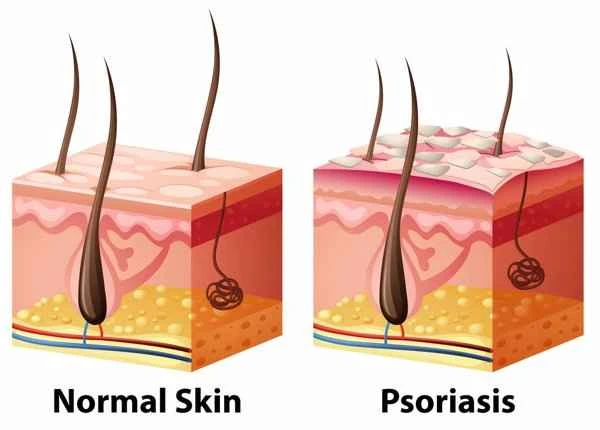
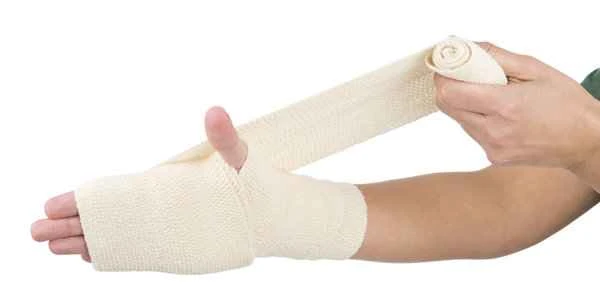
Managing a predisposition to keloid scarring requires a multi-pronged approach, including prevention, medication, and physical therapy. Prevention is the most crucial step, avoiding unnecessary trauma and surgery to reduce the chances of scar formation. Medication can involve topical and oral medications, such as silicone gel patches and vitamin E, which can inhibit excessive scar growth and promote softening and flattening. Physical therapy is also an important method, including pressure therapy and laser treatment. These methods can improve the appearance and texture of scars and reduce patient discomfort.
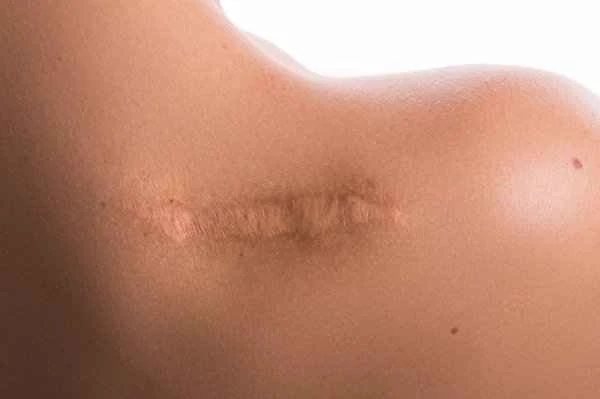
When treating a predisposition to keloid scarring, it's crucial to avoid some common misconceptions. Don't assume all scars can be improved with simple medication, as the formation mechanism of keloid scarring is complex and may require a comprehensive treatment approach for optimal results. Don't neglect early treatment, as it can effectively inhibit excessive scar growth and reduce the difficulty of later treatment. Finally, avoid over-reliance on surgery, as it may worsen the scar and even lead to other complications.
[Management Tip:]
1. Avoid unnecessary trauma and surgery to reduce the chance of scar formation.
2. Early use of medications, such as silicone patches and vitamin E, can inhibit excessive scar growth.
3. Use physical therapies, such as pressure therapy and laser therapy, to improve the appearance and texture of scars.
4. Monitor changes in scars regularly and adjust treatment plans accordingly.