The choice of ointment for treating urticaria depends on the specific symptoms. Doctors usually recommend topical medications containing antihistamines or hormones, but the specific effects vary from person to person. It is recommended to use them under the guidance of a doctor.

1. For mild itching and redness, you can try over-the-counter antihistamine creams, which can help relieve allergic reactions and reduce discomfort.
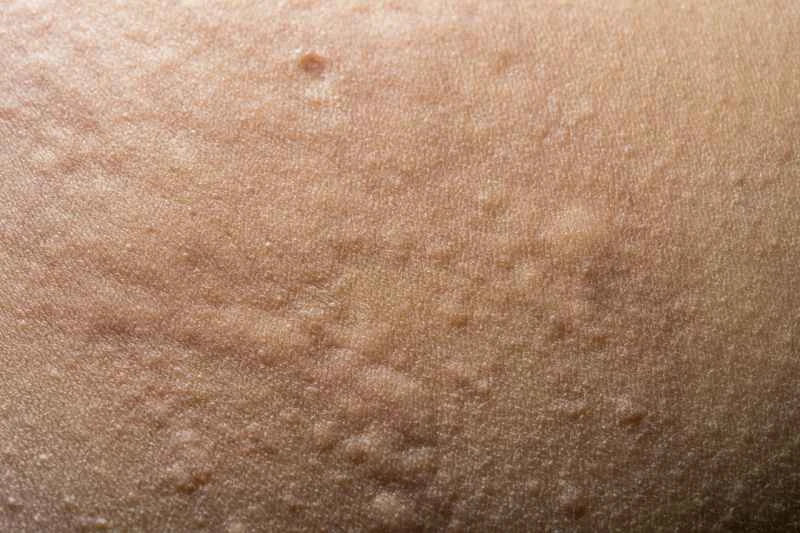
2. If the symptoms are more pronounced, the doctor may prescribe a mild steroid cream, which can quickly relieve inflammation and itching. However, attention should be paid to the duration and application site to avoid long-term, large-area application.
3. In patients with sensitive skin or children, non-hormonal ointments such as calcineurin inhibitors may also be used. These ointments are relatively mild and suitable for delicate skin areas.
4. If urticaria is accompanied by dryness and peeling, using moisturizing and repairing ointments can help protect the skin barrier and reduce irritation.
In short, consult a doctor before choosing a medication to determine the cause and type of symptoms. In daily life, avoid contact with allergens and keep the skin clean and moisturized. If symptoms do not improve or worsen after using medication, seek medical attention promptly to adjust the treatment plan.