No. Psoriasis is not contagious and cannot be transmitted to others through daily contact, handshakes, hugs, or sharing personal items. It is a chronic skin condition related to the immune system. The public is advised not to worry excessively, but patients should pay attention to proper care to control symptoms.
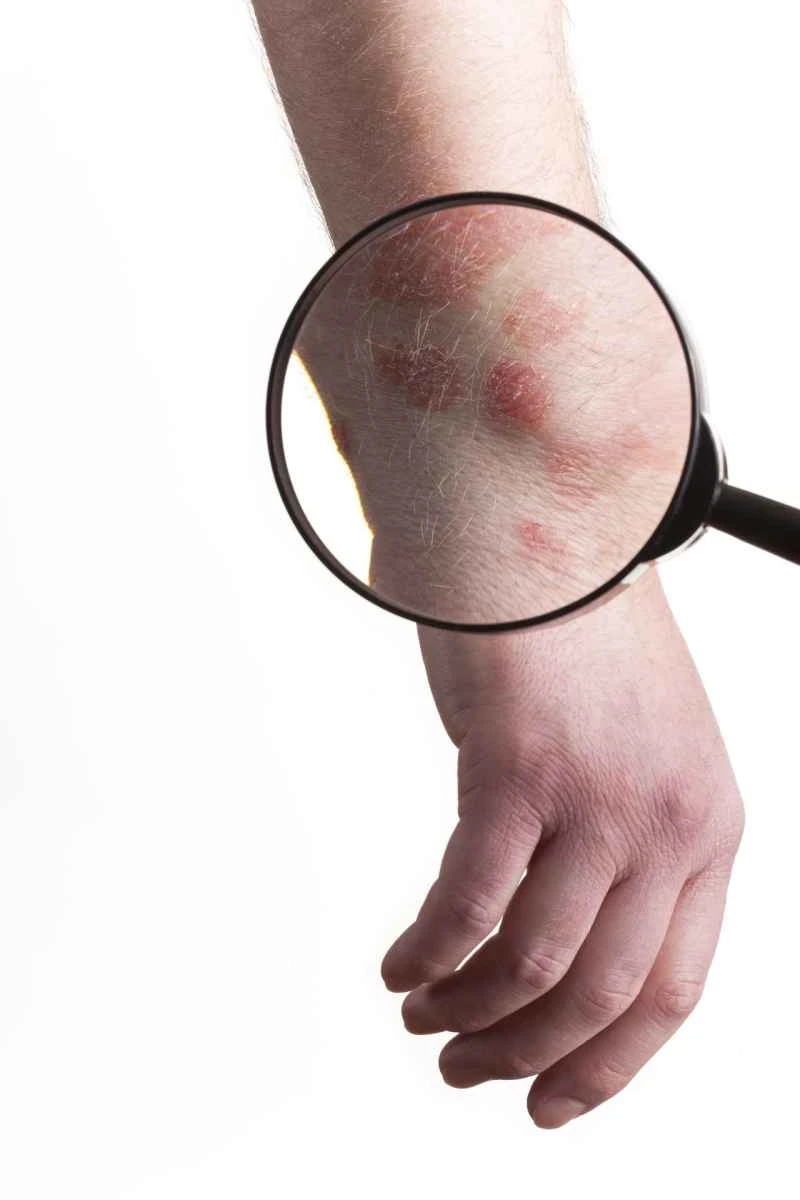
1. **Psoriasis is not contagious:** Its occurrence is mainly related to factors such as genetics and immune abnormalities. Like high blood pressure and diabetes, it is an internal functional problem, rather than being caused by pathogens such as bacteria or viruses. Therefore, it is not transmitted between people at all.
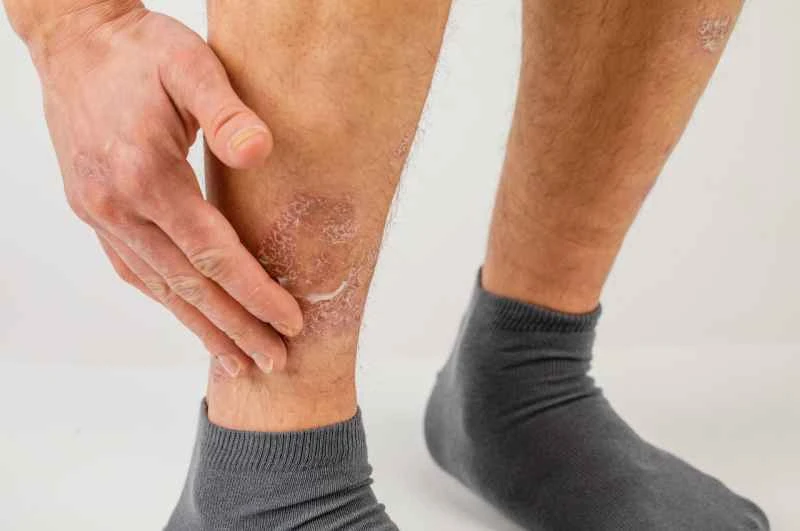
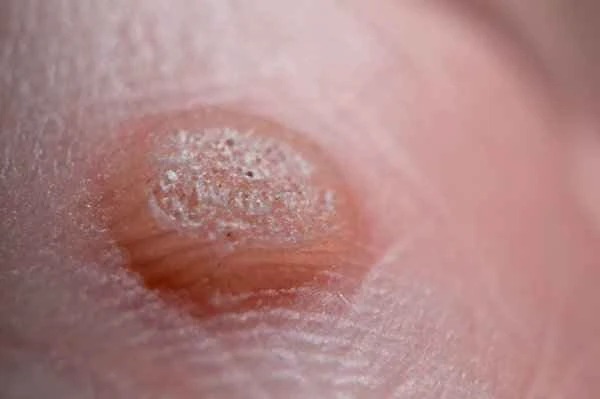
2. **Symptoms may be misleading:** Patients often develop erythema and silvery-white scales on their skin, which may appear contagious. This is actually caused by the accumulation of skin cells due to rapid cell turnover and is unrelated to infection.
3. **No Isolation Required for Routine Contact:** Living, working, and dining with psoriasis patients is safe, and normal social interaction poses no health risks. On the contrary, offering understanding and support can help alleviate psychological stress for patients.
If you or a family member has psoriasis, please adhere to the prescribed treatment and keep your skin moisturized. If you know someone with psoriasis, please treat them with a normal attitude and avoid misunderstandings and discrimination. Maintaining a healthy daily routine and reducing stress can help stabilize your condition.