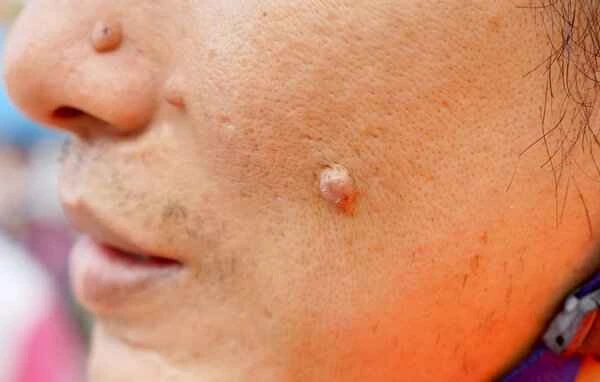
Keloids on the face are overgrown skin tissues that typically appear on the skin after trauma or surgery. They form because the skin produces too much collagen during the healing process, causing a hard lump to form on the skin's surface that extends beyond the original wound. To address keloids on the face, it's essential to first identify the cause and then take appropriate treatment measures.
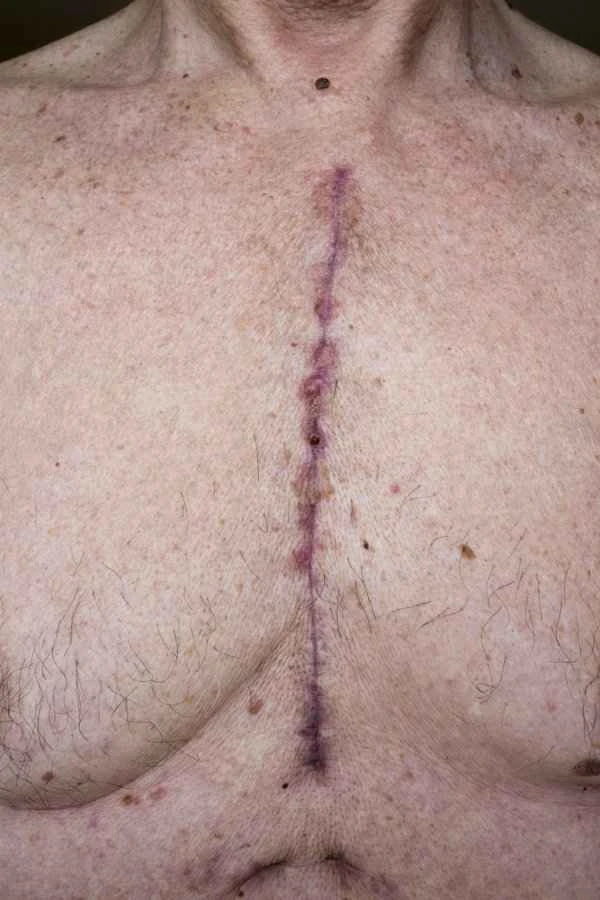
The main strategies for treating facial keloids include medication, physical therapy, and surgery. Among medications, topical corticosteroids are the most common method, reducing scar tissue formation by suppressing the inflammatory response. Physical therapies include laser therapy, cryotherapy, and radiation therapy, which reduce blood supply to scar tissue, promoting softening and flattening. Surgical treatment is suitable for larger or more stubborn keloids, improving appearance by removing scar tissue and combining it with skin grafting. These treatment methods are closely related; medication can serve as preoperative preparation, and physical therapy can assist in surgical outcomes, working together to address the formation mechanism of keloids to achieve the best treatment results.
Patients may encounter some common misconceptions when treating keloid scars on the face. For example, some patients may believe that keloid scars are the result of skin allergies or infections, thus taking incorrect treatment measures. In fact, keloid scars are an abnormal reaction in the skin healing process, not caused by external factors. Some patients may over-rely on drug treatment, neglecting the necessity of physical therapy and surgical treatment. The correct treatment strategy should be comprehensive, choosing the most suitable treatment method based on the specific condition of the keloid scar.
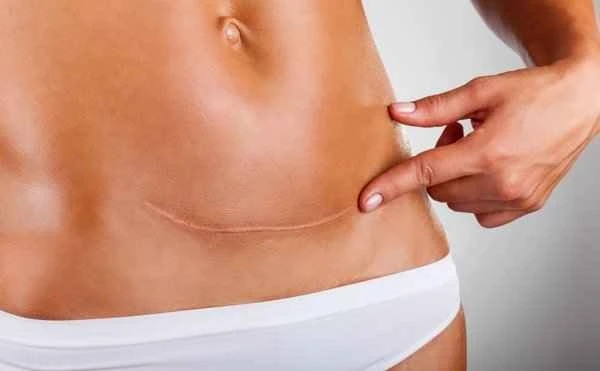
[Management Tip:]
1. Have regular professional check-ups at the hospital to monitor the development of keloids.
2. Avoid unnecessary stimulation to keloids, such as excessive friction or impact.
3. Under the guidance of a doctor, use medication or receive physical therapy to promote the softening and flattening of the scar.
4. For larger or more stubborn keloids, surgical treatment should be considered, and postoperative care should be followed according to the doctor's instructions.