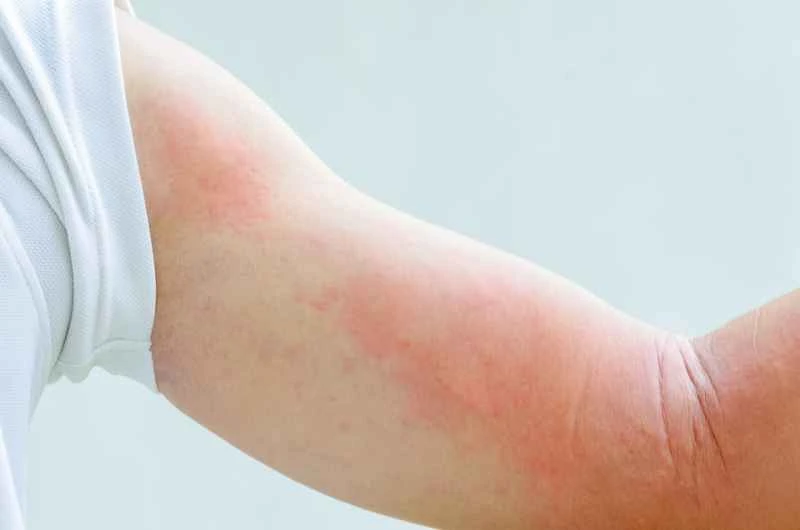
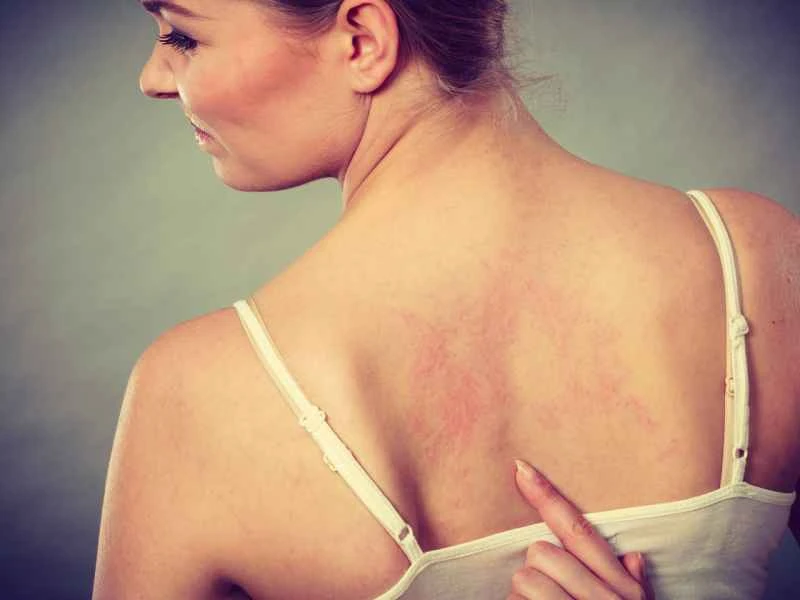
Removing acne keloid scars requires a comprehensive treatment approach, including medication, physical therapy, and surgery. Acne keloids are formed due to excessive proliferation of skin tissue during the acne healing process. Treatment must address the underlying mechanisms of keloid formation. Medication can be administered orally or topically to reduce inflammation and promote skin repair. Physical therapy includes laser therapy and microneedling, which stimulate the skin to produce new collagen to improve scarring. Surgical treatment is suitable for larger or stubborn keloids, involving the removal of scar tissue to achieve the desired therapeutic effect.
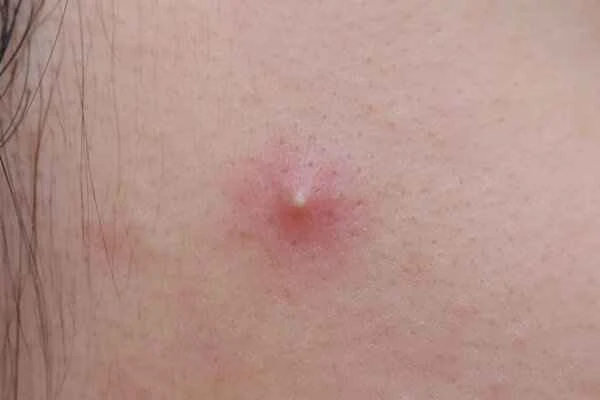
Patients may encounter some risks and misconceptions during the treatment of acne keloid scars. Treating acne keloid scars requires patience and time, and obvious results may not be seen in the short term. Different treatment methods are suitable for different types of keloid scars; choosing an inappropriate treatment method may lead to poor treatment results or even worsen the scars. When treating acne keloid scars, it is also necessary to avoid irritating the skin to prevent inflammatory reactions and worsening scar formation. When choosing a treatment method, it is necessary to comprehensively consider the treatment effects and risks based on individual circumstances and doctor's advice to develop a reasonable treatment plan.

[Management Tip:]
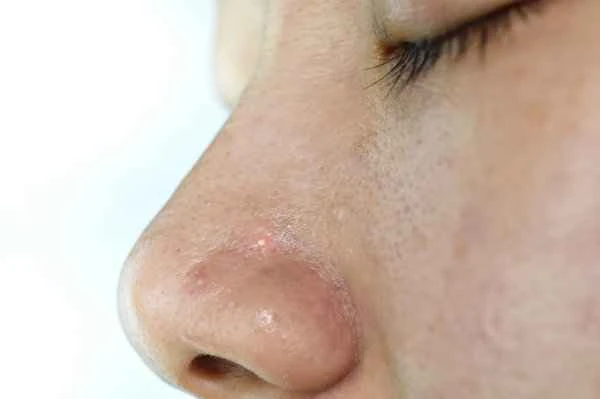
1. Have regular skin checkups at the hospital to detect and treat acne scars and keloids in a timely manner.
2. Pay attention to daily skincare and avoid using highly irritating cosmetics or skincare products.
3. Maintain good lifestyle habits and avoid bad habits such as staying up late and irregular eating.
4. If any abnormal skin condition occurs, seek medical attention promptly to avoid worsening the condition by attempting self-treatment.