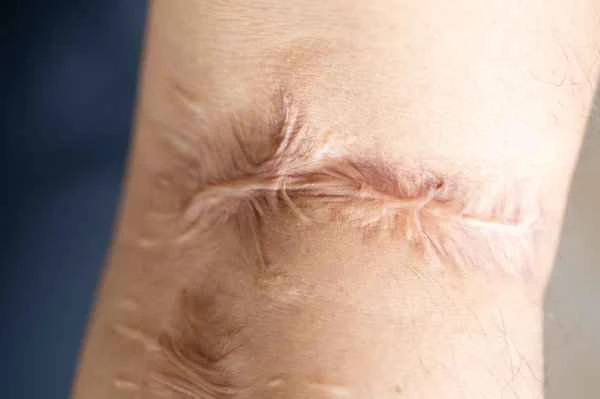
The removal of hypertrophic keloids primarily involves medical interventions to reduce or eliminate scar tissue. Hypertrophic keloids are excessively growing scar tissue that typically appears during wound healing, manifesting as hard lumps protruding from the skin's surface. Understanding their formation mechanism and employing various treatment methods is crucial for optimal results in removing these keloids.
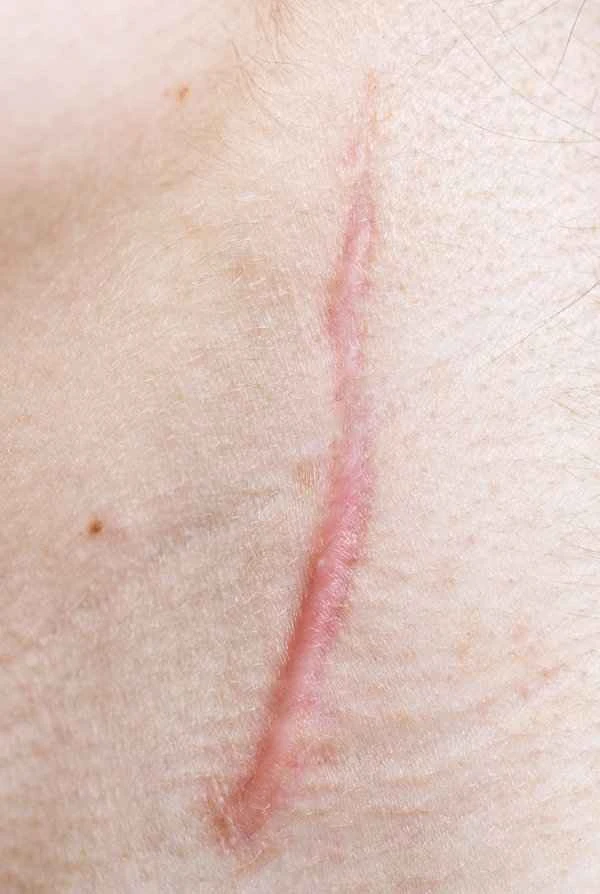
The formation of hypertrophic keloids is related to genetic factors, inflammatory responses during wound healing, and individual immune responses. Treatment methods for hypertrophic keloids include medication, surgical excision, laser therapy, and radiation therapy. Medication primarily uses corticosteroids, administered locally or orally, to inhibit scar tissue growth. Surgical excision is suitable for larger keloids, involving the removal of scar tissue followed by other treatments to reduce scar tissue regeneration. Laser therapy and radiation therapy work by destroying the cellular structure of scar tissue, inhibiting its growth. These treatment methods can be combined to achieve the best therapeutic effect.
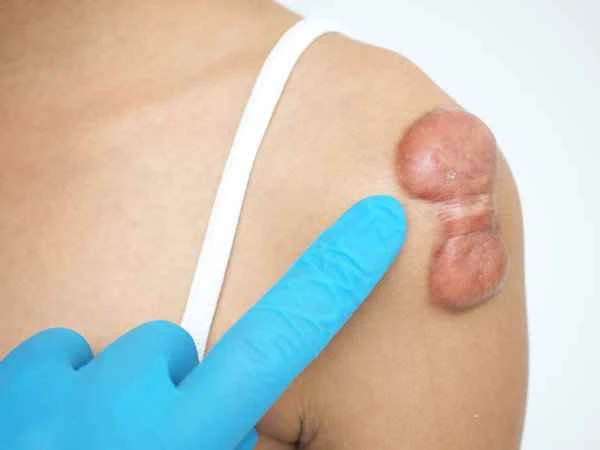
It's important to note that treating hypertrophic keloids is a long-term process that requires patience and regular follow-up. Side effects such as hyperpigmentation and infection may occur during treatment, necessitating adherence to a doctor's guidance. Some misconceptions exist regarding the treatment of hypertrophic keloids, such as the belief that keloids are incurable or that all keloids can be surgically removed. In reality, the treatment of keloids depends on factors such as their size, location, and age at formation, and the appropriate treatment method must be chosen.
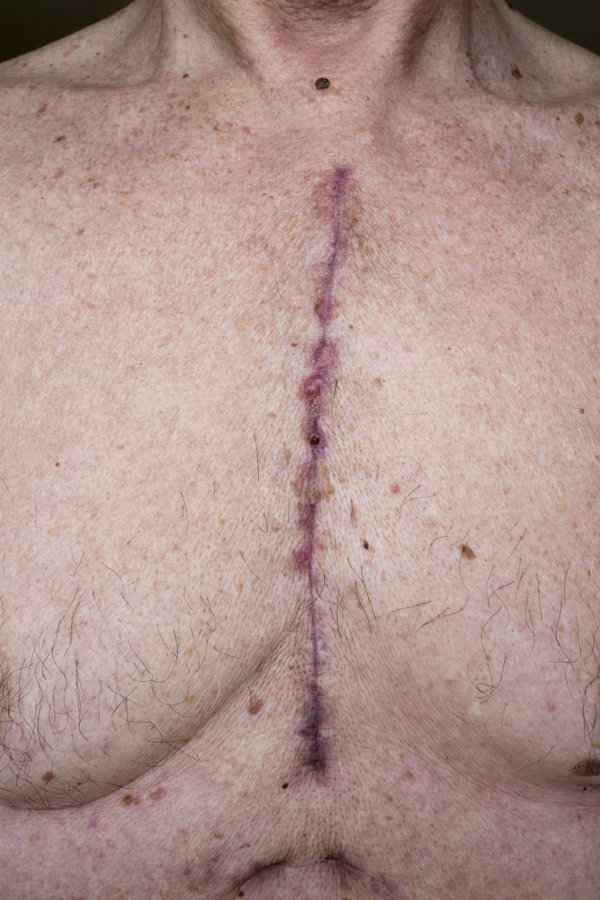
[Management Tip:]
1. Regular follow-up visits to monitor changes in keloid scars.
2. Under the guidance of a doctor, choose an appropriate treatment method.
3. Pay attention to side effects during treatment and deal with them promptly.
4. Maintain good lifestyle habits to avoid the formation of keloids.