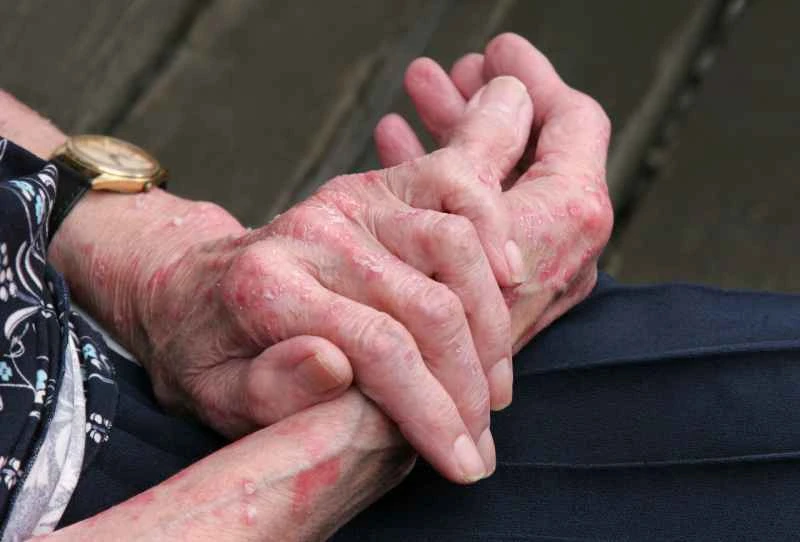
Scar repair refers to the use of a series of medical methods to improve or eliminate scars left by scratches. The process involves various approaches, including medication, physical therapy, and surgical intervention. These methods aim to repair the scars by promoting skin cell regeneration, reducing inflammation, and improving skin tissue structure.

In the process of repairing scratch scars, it is first necessary to determine the type and severity of the scar in order to choose the most appropriate treatment method. Drug therapy is one of the common non-surgical methods. By using topical medications containing ingredients such as vitamin E, silicone, and steroids, skin cell regeneration can be promoted, inflammation reduced, and the appearance of the scar improved. Physical therapies, such as laser therapy, microneedling, and radiofrequency ablation, can stimulate the skin to produce new collagen, improve skin tissue structure, and achieve the effect of scar repair. For some more severe scars, such as hypertrophic scars or keloids, surgical excision of scar tissue may be necessary, followed by skin grafting or subcutaneous injection of medication to further improve the scar.
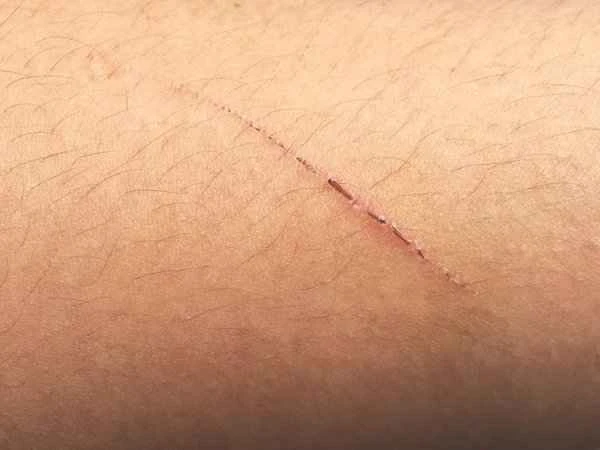
During the scar repair process, patients should be aware that not all scars can be completely eliminated, and some side effects or complications may occur during treatment, such as infection, hyperpigmentation, or hypertrophic scarring. When choosing a treatment method, patients should fully consider their individual scar type, skin condition, and treatment risks, and communicate thoroughly with their doctor to develop a personalized treatment plan. Post-treatment care is also very important, including keeping the wound clean, avoiding direct sunlight, and having regular follow-up examinations to ensure the treatment's effectiveness.
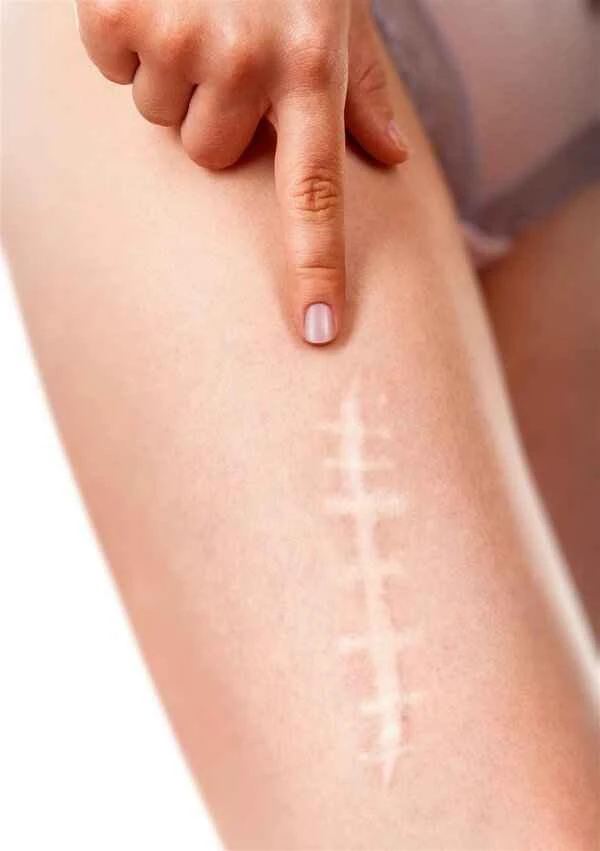
[Management Tip:]
1. Choose the appropriate treatment method and provide personalized treatment based on the type and severity of the scar.
2. Pay attention to nursing care during the treatment process, keep the wound clean, and avoid direct sunlight.
3. Regular follow-up examinations and timely adjustments to the treatment plan are necessary to ensure the best treatment outcome.