Treatment for herpes scars primarily involves using various methods to reduce the appearance of the scars and improve the texture of the skin.
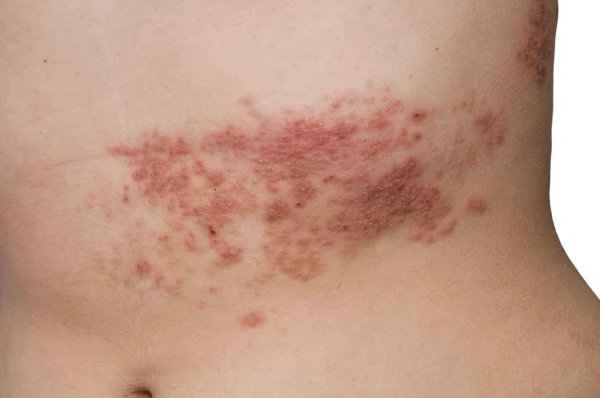
Treatment of herpes scars primarily involves a variety of methods, including medication, physical therapy, and surgery. For medication, topical medications such as corticosteroid creams can reduce inflammation and scar formation, while oral medications such as antihistamines can relieve itching. Physical therapies include laser therapy, microneedling, and radiofrequency ablation, which can promote collagen production and improve the appearance of the scar. For more severe scars, surgical excision or skin flap transplantation may be necessary to improve the skin's appearance and texture. These treatment methods can interact; for example, medication can create a better treatment environment for physical therapy, while physical therapy can accelerate the effects of medication.
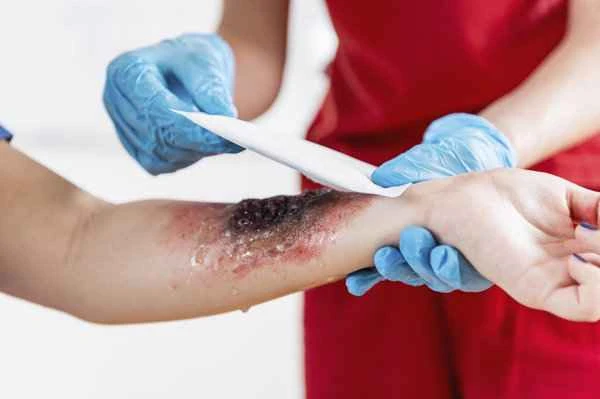
In treating herpes scars, patients may encounter some potential risks and misconceptions. For example, overuse of certain medications may lead to problems such as thinning of the skin and hyperpigmentation, while incorrect physical therapy may worsen scar formation. Patients may mistakenly believe that all scars can be completely eliminated through non-surgical methods, which is unrealistic. When choosing a treatment method, patients should make an informed decision by comprehensively considering the advantages and disadvantages of various treatment approaches based on their scar type and severity, as well as their doctor's advice.
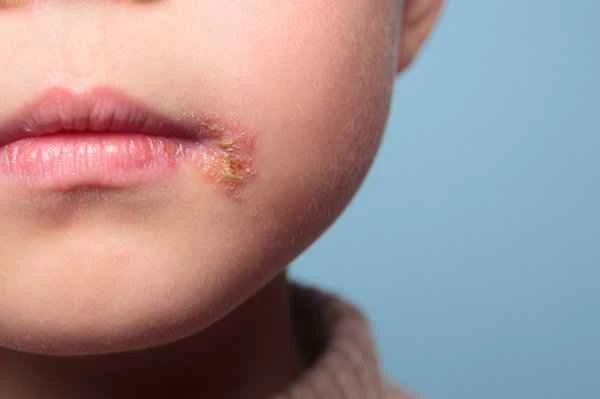
[Management Tip:]
1. Choose an appropriate treatment method based on the type and severity of the scar, in conjunction with your doctor's advice.
2. Pay attention to the safety of medication use to avoid problems such as thinning of the skin and pigmentation.
3. Have regular skin checkups to detect and treat any potential complications promptly.