Recurrent itching from scarring is an uncomfortable symptom caused by the scar tissue being irritated or infected again during the healing process. To address this, it is first necessary to understand the physiological mechanisms of scar formation and the reasons for recurrent itching.
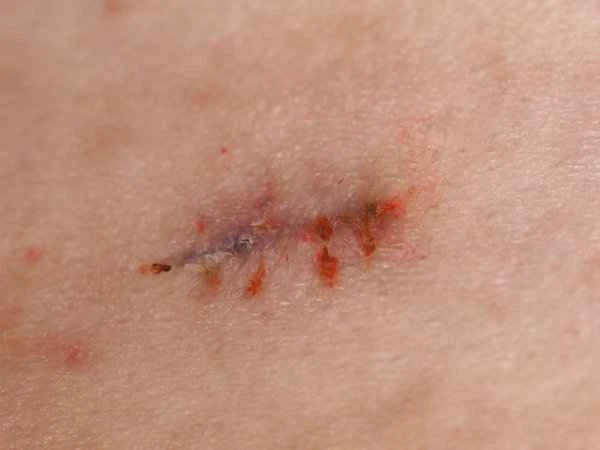
Scar formation is the skin's self-repair process after injury. When the skin is damaged, the body repairs the wound by producing more collagen fibers. Certain factors, such as infection, foreign body residue, genetic factors, or excessive skin tension, can lead to abnormal proliferation of scar tissue, resulting in scar recurrence. In such cases, the scar tissue may become sensitive and even itchy. The itching may be due to stimulation of nerve endings in the scar tissue or an inflammatory response within the scar tissue.

Treating recurrent itching from scarring requires consideration of multiple factors, including the type, location, and size of the scar, as well as the patient's overall health. Treatment strategies typically include topical medication, physical therapy, and, if necessary, surgical intervention. Topical medication may involve using ointments containing corticosteroids to reduce inflammation and itching, or antihistamines to relieve allergic reactions. Physical therapy, such as pressure therapy, can help reduce scar tissue proliferation, thereby alleviating itching. In some cases, if the scar tissue is very severe and cannot be controlled non-surgically, surgical excision of the scar tissue may need to be considered.
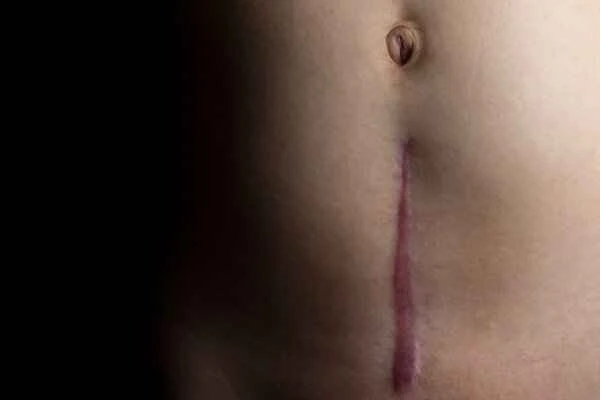
When dealing with itching from recurring scars, it's important to avoid some common misconceptions. For example, some people may over-rely on medication while neglecting other important treatments, such as physical therapy and lifestyle modifications. Excessive skin massage or the use of harsh skincare products can also worsen the itching. Treatment should involve a comprehensive consideration of various methods, and a personalized treatment plan should be developed based on the individual's specific circumstances.
[Management Tip:]
1. Use gentle, non-irritating skincare products and avoid products containing alcohol or other irritating ingredients.
2. Moisturize your skin regularly by using moisturizing products containing ingredients such as allantoin and hyaluronic acid.
3. If the itching worsens or is accompanied by other symptoms, seek medical attention promptly for professional diagnosis and treatment advice.