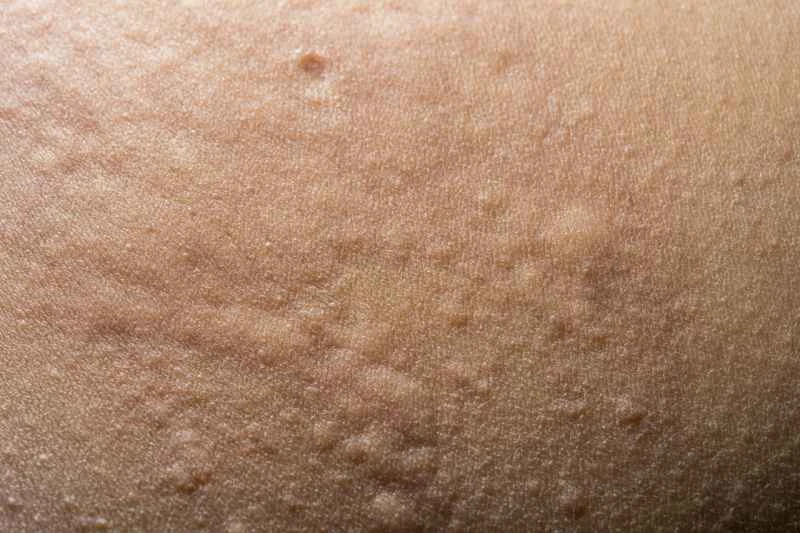
The key to treating scars left by abrasions lies in early intervention and proper care.
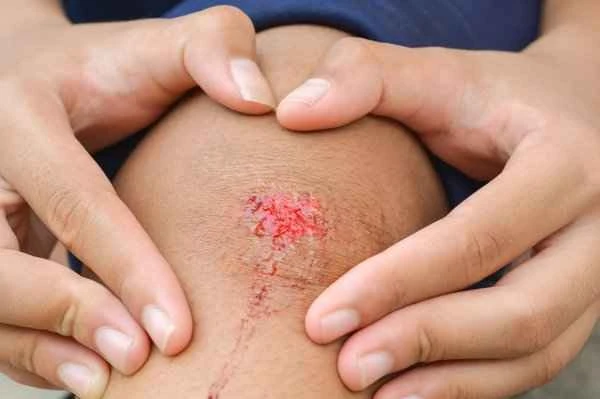
To treat scars from abrasions, it's essential to first understand the basic mechanisms of scar formation. When the skin is injured, the body initiates a repair mechanism, proliferating collagen fibers to fill the wound, thus forming a scar. Scar formation is not only related to the size and depth of the wound but is also influenced by individual differences, healing care methods, and genetic factors. For minor abrasions, proper treatment can effectively reduce scar formation and improve their appearance. Common treatments include using wound-healing ointments, keeping the wound clean and moist, and avoiding further injury. These measures help accelerate wound healing, reduce inflammation, and thus lower the risk of scar formation.
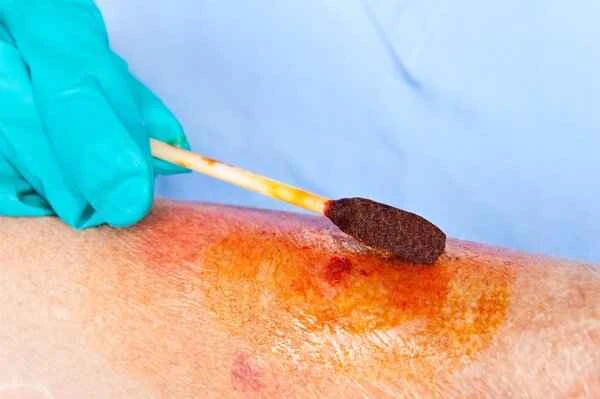
When treating scars left by abrasions, it's important to note that not all scars can be completely eliminated, especially those that are already formed and more noticeable. There are various methods for treating scars, including silicone sheets, medication, and laser therapy. Each treatment method has its indications and limitations; therefore, when choosing a treatment method, it's necessary to comprehensively consider the type, size, location of the scar, and the patient's specific situation. Some side effects may occur during treatment, such as skin irritation and hyperpigmentation. Therefore, it's essential to have a thorough discussion with your doctor before treatment to understand the expected results and potential risks.
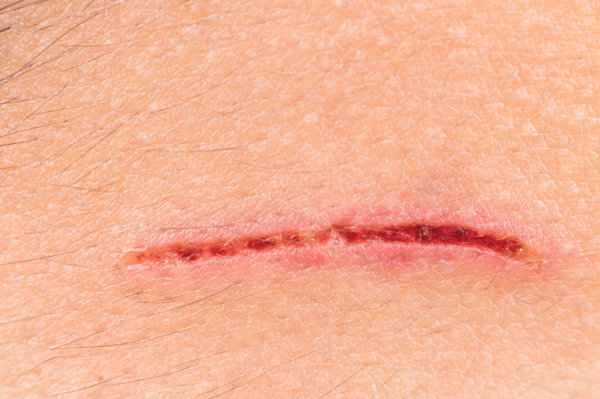
[Management Tip:]
1. Use products such as silicone sheets or gels to help soften scar tissue.
2. Keep the wound clean and moist to prevent infection.
3. Regularly perform gentle massage to promote blood circulation and improve the appearance of scars.
4. If redness, swelling, pain or other abnormal symptoms occur, seek medical attention promptly.