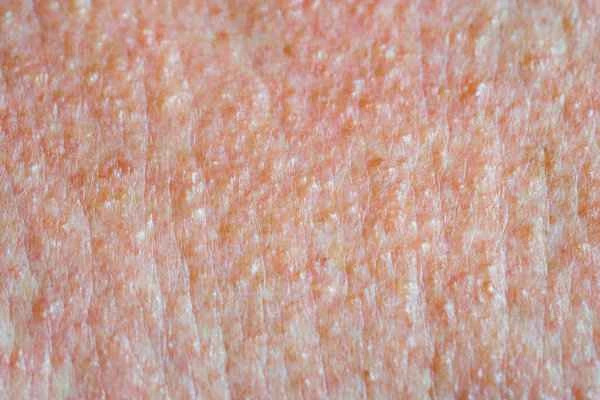
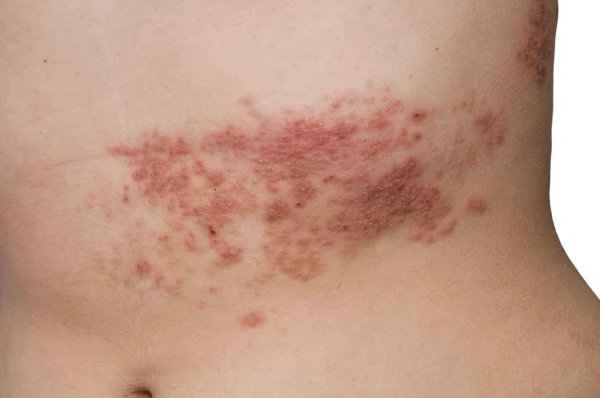
Psoriasis is not contagious, so you can have normal contact with patients without worry. However, this disease requires long-term, scientific management, so it is recommended that patients seek medical attention promptly and maintain healthy lifestyle habits.
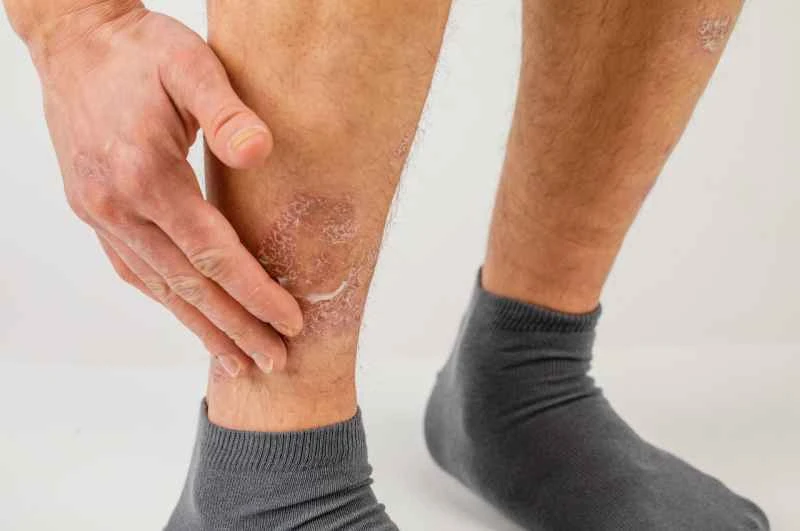
Specifically, this can be understood from the following aspects:

1. **Different underlying diseases:** Psoriasis is a chronic skin problem related to the immune system, which is fundamentally different from infectious diseases caused by pathogens, such as colds and tinea.
2. **Safety in Everyday Contact**: Shaking hands, hugging, sharing personal items, etc., will not spread psoriasis, and the shedding of skin flakes will not cause infection.
3. **Influence of genetic factors:** Some patients have a family history of genetic disorders, but this is a constitutional inheritance rather than a contagious process.
If you or a family member has psoriasis, we recommend the following measures: First, consult a dermatologist at a reputable hospital to develop a personalized treatment plan and avoid self-medication; second, pay attention to skin moisturizing and reduce scratching and external irritation; and third, maintain a regular sleep schedule and engage in moderate exercise to help regulate the immune system. Although there is currently no way to completely cure it, proper treatment can effectively control symptoms and maintain a normal life.