The speed at which papular urticaria subsides varies from person to person, but with timely treatment and daily care, symptoms can usually be effectively controlled. It is recommended to manage the condition under the guidance of a doctor, combining medication with lifestyle adjustments.
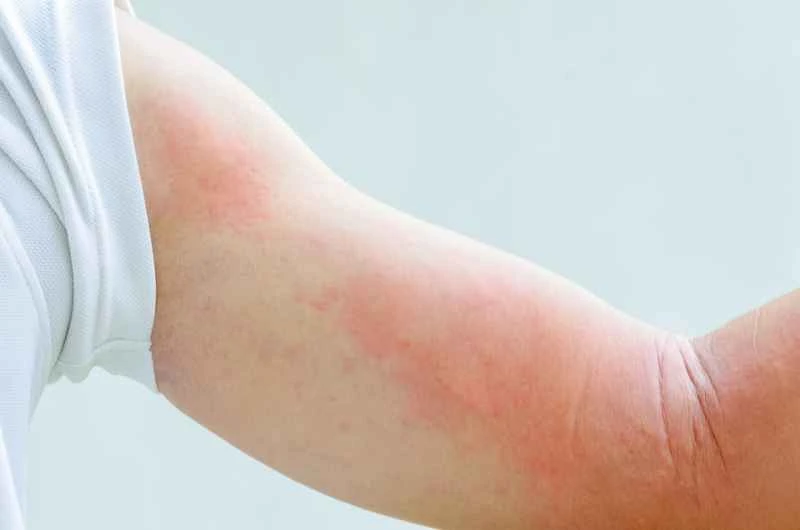
1. **Seek medical attention and take medication promptly.**
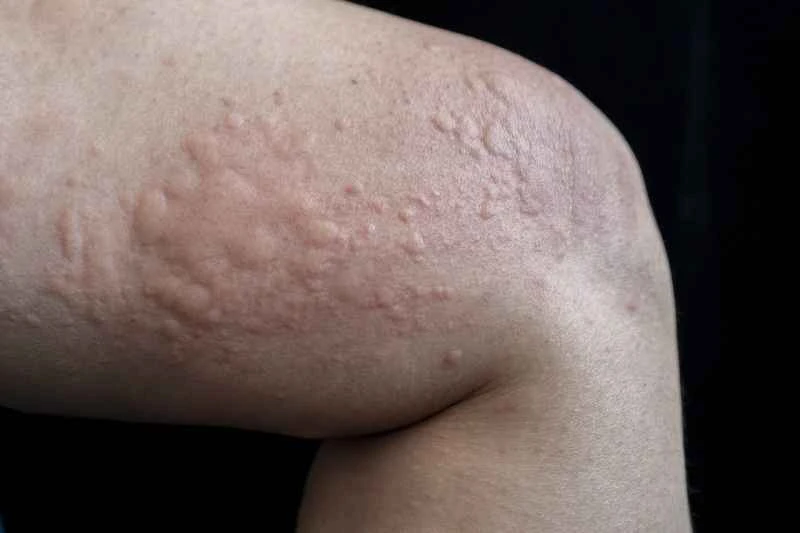
Dermatologists often prescribe antihistamines, such as oral antihistamines, to help relieve itching and hives. Topical ointments, such as calamine lotion, can also provide temporary relief from local discomfort. It is best to consult a professional before using any medication on your own.
2. **Avoid common triggers**
In some cases, symptoms are related to contact with allergens, such as insect bites, certain foods, and pollen. Being mindful of and reducing exposure to potential triggers, maintaining a clean living environment, and wearing loose-fitting cotton clothing can help reduce flare-ups.
3. **Pay attention to daily care**
During an attack, avoid scratching to prevent skin damage. Bathe with warm water to reduce irritation from shower gel; keep relaxed, as stress can sometimes worsen discomfort.
Overall, dealing with this situation requires patience. If symptoms recur or worsen, please be sure to see your doctor for a follow-up appointment so they can adjust your treatment plan based on your specific condition. Keeping a record of changes in your diet and environment can also help identify potential triggers.