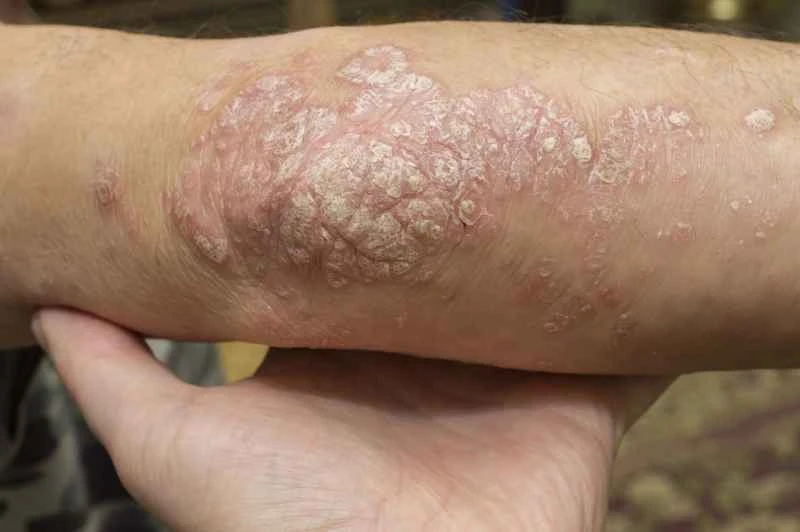
Facial eczema is usually related to a damaged skin barrier and stimulation from internal and external factors. It is recommended to promptly identify the triggers and strengthen daily care. Specifically, you can learn about it from the following aspects:
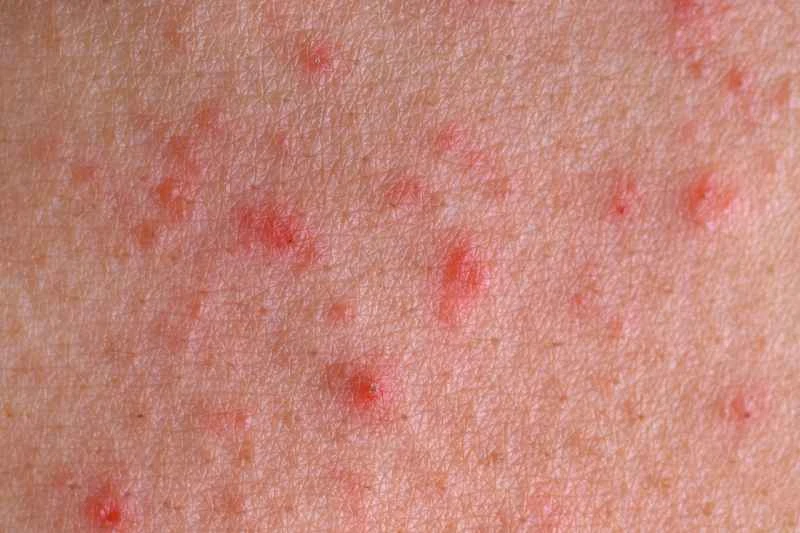
1. **Skin problems**

Some people have more sensitive skin with weaker natural protective functions, making them prone to inflammatory reactions caused by dryness, friction, or temperature changes, resulting in redness, swelling, itching, or small blisters.
2. **External contact stimuli**
Daily contact with certain cosmetics, detergents, pollen, animal hair, and other substances may irritate the skin; prolonged exposure to dry, humid, or polluted environments may also trigger or worsen symptoms.
3. **Internal bodily factors**
Fatigue, excessive stress, or mood swings can affect physical condition and indirectly lead to skin problems; for some people, it may also be related to diet, sleep habits, or seasonal changes.
If symptoms are mild, try using gentle skincare products to keep the skin moisturized and avoid scratching and excessive heat. If symptoms are recurrent or severe, it is recommended to consult a doctor for a professional examination to determine the cause and choose appropriate care or treatment methods under their guidance. Keeping a record of any irritants you may come into contact with daily can help reduce recurrence.