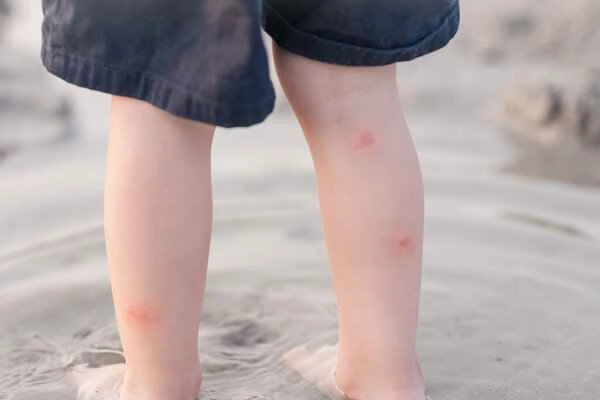
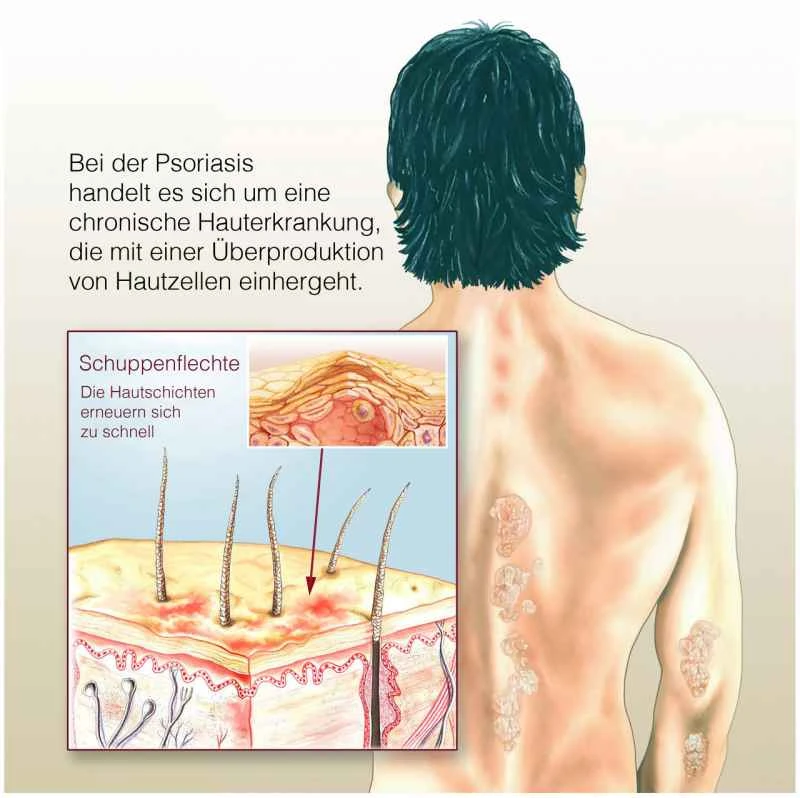
Cleaning keloids requires special attention to methods and steps to avoid irritation or worsening of the condition. Keloids are overgrown scar tissue that typically forms after skin trauma, such as cuts, burns, or surgical incisions. The key to cleaning keloids is gentle treatment, avoiding the use of potentially irritating chemicals.
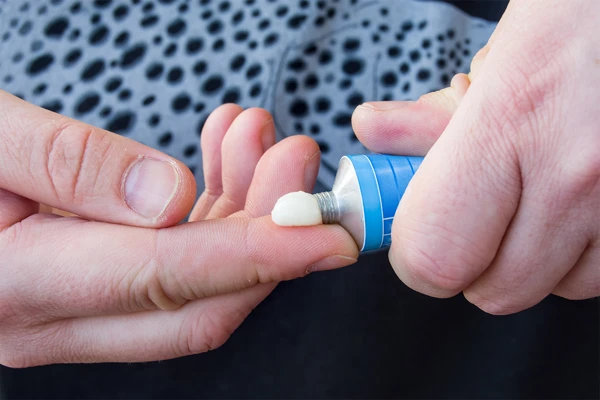
When cleaning keloid scars, it's essential to first ensure you use a gentle, non-irritating cleansing product. Avoid using soaps or detergents containing strong chemicals, as these can irritate the skin and cause increased redness, swelling, or pain. The correct cleansing process should include gently washing the keloid area with lukewarm water, then gently patting it dry with a clean, soft towel. Avoid vigorous rubbing to prevent unnecessary friction or pressure on the keloid. Keeping the keloid area clean helps reduce the risk of infection and promotes the healing process. Proper cleansing methods can reduce external irritation and help control keloid growth.
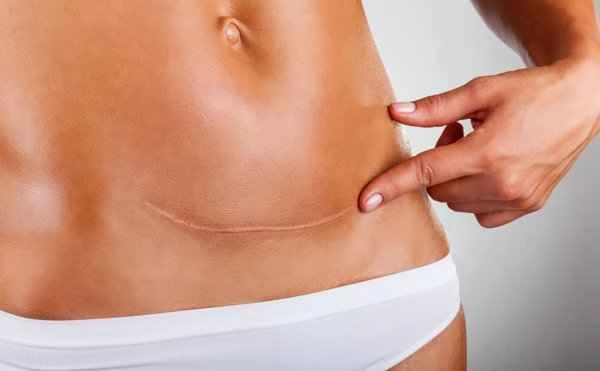
When treating keloid scars, in addition to proper cleansing methods, it's important to avoid some common misconceptions. Many people believe that frequent washing of keloid scars can accelerate healing, but in fact, excessive washing can irritate the skin and worsen inflammation. Using products containing irritating chemicals to wash keloid scars may aggravate symptoms and even lead to skin inflammation or infection. When cleaning keloid scars, choose gentle, non-irritating products and follow the correct cleansing steps to avoid unnecessary damage to the skin.

[Management Tip:]
1. Use mild, non-irritating cleaning products and avoid using soaps or detergents containing strong chemicals.
2. Wash the keloid area with warm water, then gently pat it dry with a clean, soft towel.
3. Avoid excessive washing to prevent skin irritation and exacerbation of inflammation.
4. Carefully observe changes in keloid scars; seek medical attention promptly if any abnormalities are observed.