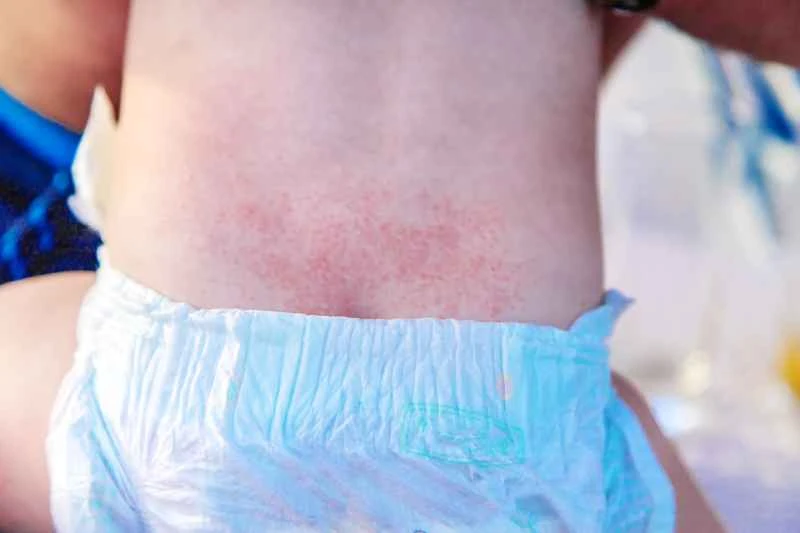
Currently, there is no cure for psoriasis, but with proper treatment and daily management, symptoms can be effectively controlled, recurrences reduced, and patients helped to return to a normal life. It is recommended to develop a long-term management plan under the guidance of a doctor and maintain patience and confidence.
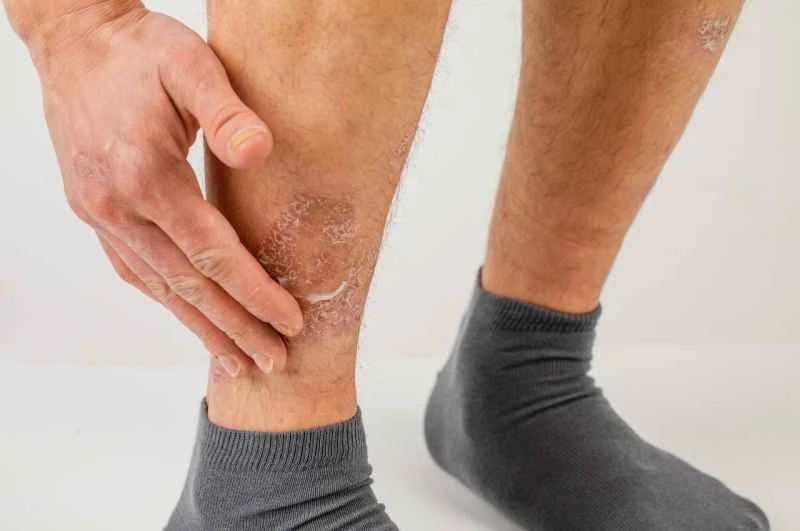
Specifically, we can start from the following aspects:
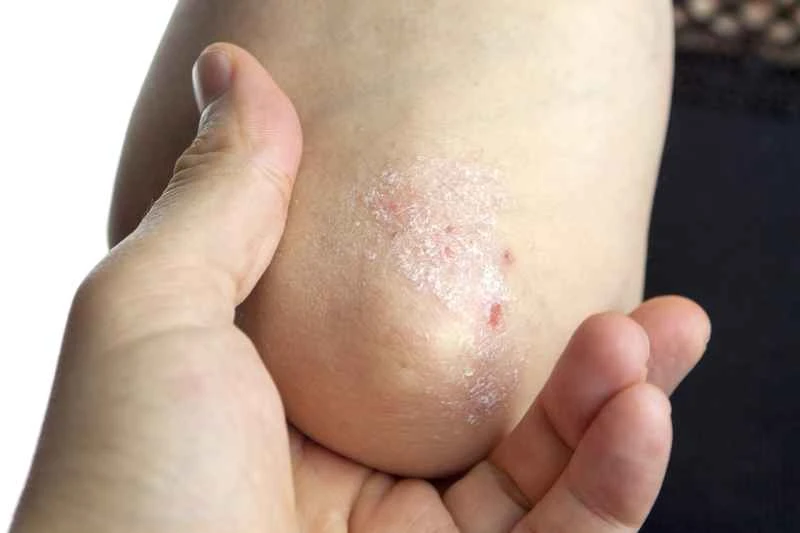
1. **Adhere to standardized treatment:** Depending on the severity of the condition, your doctor may recommend topical medications, phototherapy, or oral medications. Regular follow-up appointments and adjustments to the treatment plan as needed are crucial. Do not stop or change medications on your own.
2. **Pay attention to skin care:** Use moisturizer daily to relieve dryness and flaking, avoid excessively hot water when showering, and choose gentle cleansing products to reduce skin irritation.
3. **Adjust your lifestyle:** Maintain a regular sleep schedule, exercise moderately, and avoid overwork. Pay attention to and try to avoid factors that may aggravate the condition, such as stress, infection, or skin injury.
4. **Maintain a positive mindset:** Psoriasis may recur, but it can be controlled through proactive management. Joining patient support groups or communicating with family and friends can help alleviate psychological stress.
It is recommended that you first visit the dermatology department of a reputable hospital for a comprehensive evaluation and work with your doctor to develop a treatment plan suitable for you. In your daily life, pay attention to changes in your symptoms, avoid blindly trying folk remedies, gradually establish a healthy lifestyle, and adhere to this regimen long-term to better stabilize your condition.