Psoriasis cannot be completely cured at present, but with standardized treatment and long-term management, symptoms can be effectively controlled and recurrences reduced. It is recommended that patients consult a dermatologist at a reputable hospital to develop a personalized treatment plan.
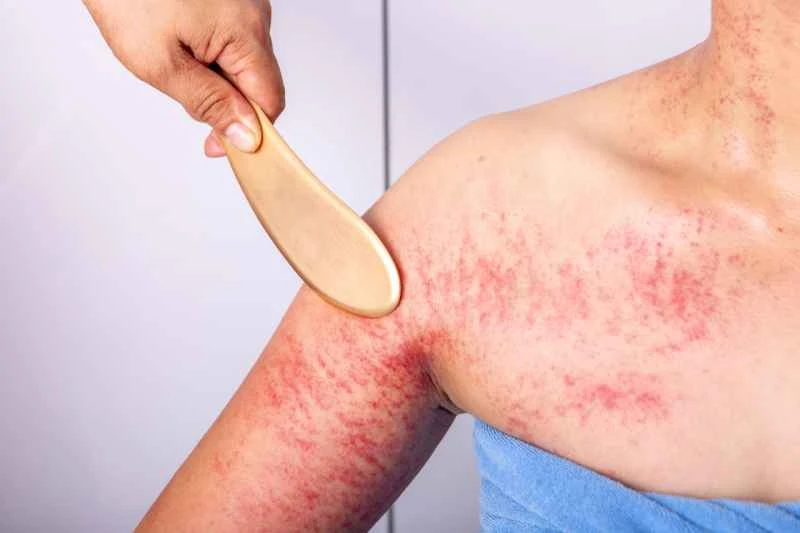
1. **Drug therapy is fundamental.**
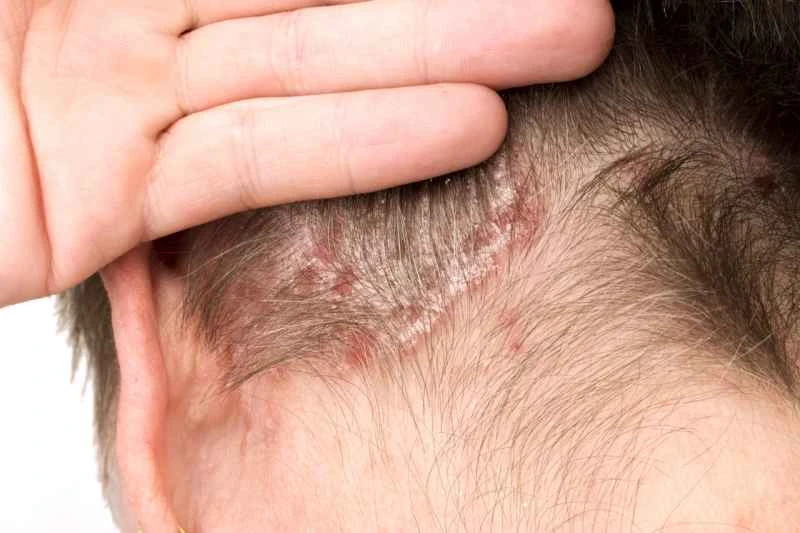
Topical ointments such as moisturizers and vitamin D derivatives can relieve skin symptoms; oral medications or biologics are suitable for moderate to severe patients and should be used under the guidance of a doctor, with regular follow-up examinations.
2. **Physical therapy as an adjunct to improve**
Ultraviolet phototherapy is effective for some patients, but the dosage and frequency of irradiation need to be controlled to avoid the risks that may arise from long-term use.
3. **Lifestyle Management to Prevent Relapse**
Avoid triggering factors such as colds and mental stress; quit smoking and limit alcohol consumption, and maintain a balanced diet; the water temperature should not be too high when taking a bath to reduce skin irritation.
4. **Psychological adjustment should not be ignored.**
Psoriasis can affect mood. Stress can be relieved through exercise, hobbies, or communication with others. If necessary, seek professional psychological support.
Treatment requires patience; never believe in folk remedies that promise a complete cure. Maintain communication with your doctor and adjust the treatment plan according to your condition. Most patients can achieve long-term stable control and maintain a normal life.