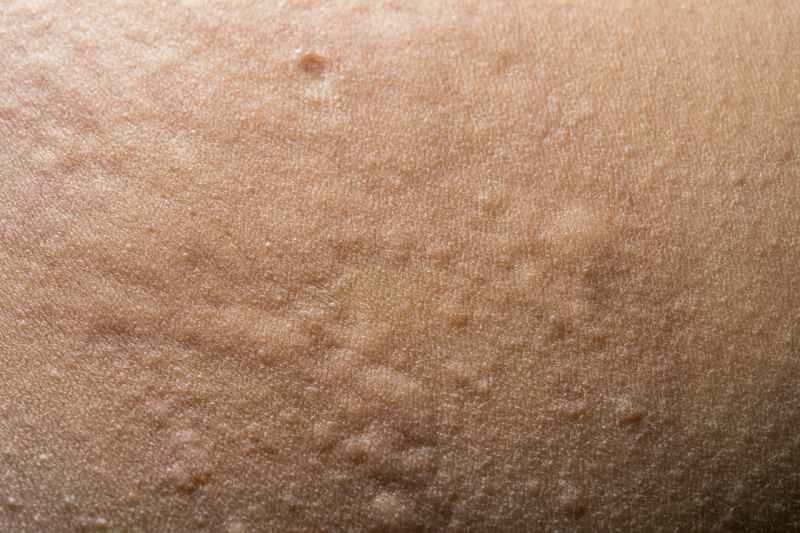
Urticaria (hives) can indeed be related to immune function, but it's not simply equivalent to "low immunity." When the body's immune system reacts abnormally, it may become oversensitive to certain external or internal factors, leading to hives and itching. It's recommended to start with daily habits and gradually adjust your body's condition.
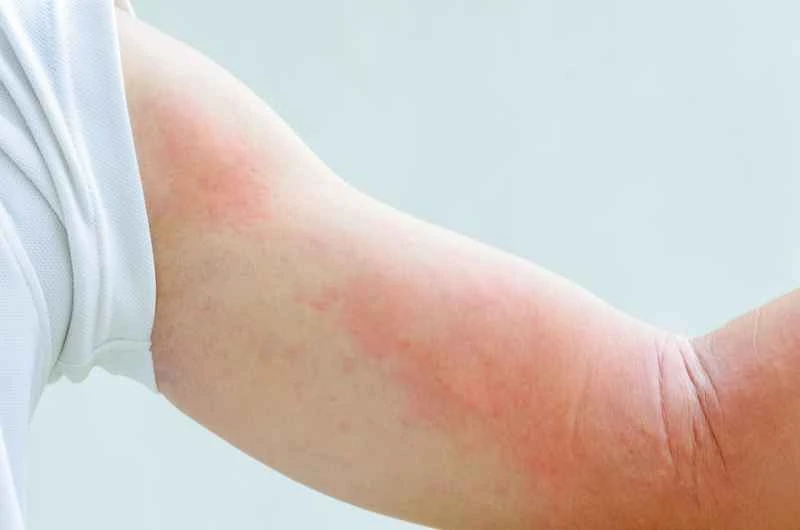
1. **An overactive immune response may also trigger**
In some cases, the immune system overreacts to external substances (such as food and pollen) or internal changes, releasing too much histamine, leading to vasodilation and skin redness and swelling. This is not simply a matter of "insufficient resistance".
2. **Multiple factors working together**
Besides immune responses, physical stimuli (such as friction, hot or cold), emotional stress, infection, or medication effects can all trigger or worsen symptoms, and a comprehensive judgment based on individual circumstances is necessary.
3. **Adjusting your lifestyle can help improve**
Maintaining a regular sleep schedule, a balanced diet, and moderate exercise helps maintain a balanced immune system. Avoiding known allergens, such as certain foods and dust, can reduce the frequency of allergic reactions.
If you experience recurrent urticaria, it is recommended to record your diet, environment, and physical condition during flare-ups, and consult a doctor promptly. After a professional examination to determine the specific cause, a targeted management plan can be developed to avoid self-medication or indiscriminate supplementation.