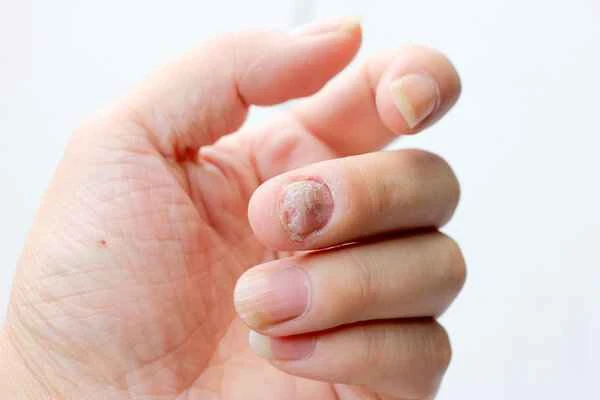
Anti-scar treatment refers to the process of reducing or preventing scar formation through a series of methods. The core of anti-scar treatment lies in early intervention and comprehensive management, which includes treatment of different stages from wound healing to scar formation in order to reduce scar formation and improve its appearance.
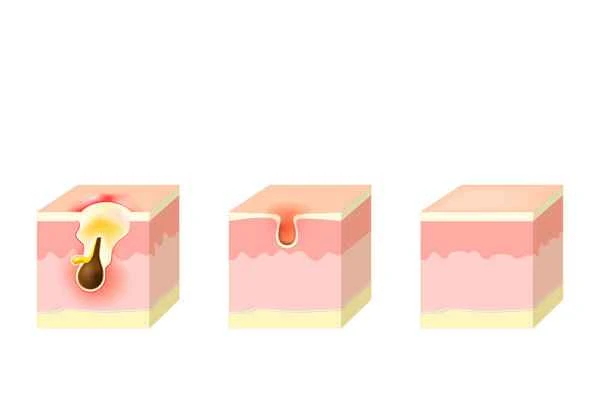
Understanding the mechanisms of scar formation is crucial for effective treatment. When skin is injured, the body initiates a healing process involving inflammation, cell proliferation, and collagen deposition. During this process, timely interventions, such as the use of anti-scarring medications, can effectively reduce excessive collagen deposition, thereby minimizing scar formation. Keeping the wound clean and preventing infection are also essential for scar prevention. After the wound has healed, using products like silicone sheets or scar gels can further reduce scar formation and improve its appearance. These methods work synergistically through different mechanisms to reduce scar formation.
In scar treatment, it's important to be aware of some potential risks and misconceptions. Treating scars is a long-term process that requires patience and perseverance from the patient. Different types of scars (such as hypertrophic scars and keloids) require different treatment methods, and choosing the wrong one may lead to poor treatment results. Overuse of certain scar treatment products may cause skin irritation or other adverse reactions; therefore, it's best to consult a professional doctor before using any product.
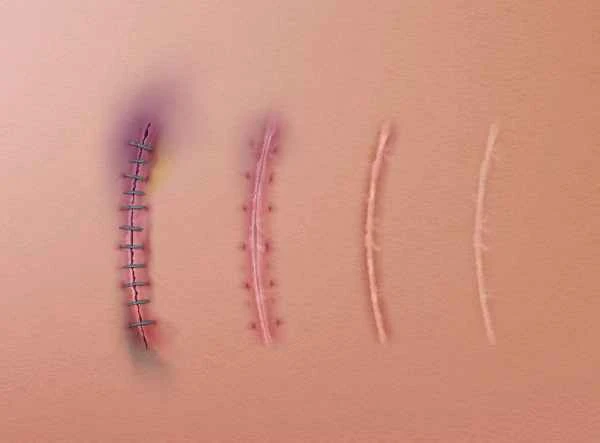
[Management Tip:]
1. Keep the wound clean to prevent infection.
2. After the wound has healed, use products such as silicone sheets or scar gel.
3. Monitor scar condition regularly and adjust treatment plan accordingly.
4. If redness, swelling, pain or other abnormal symptoms occur, seek medical attention promptly.