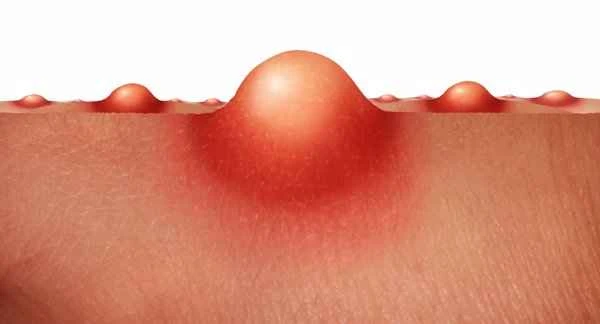
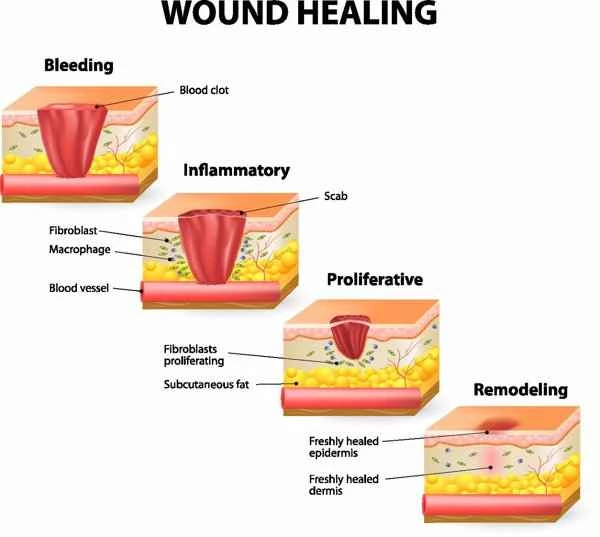
Relieving the itching of keloids is primarily achieved by reducing inflammation and improving local blood circulation. The itching of keloids is usually caused by a local inflammatory response, which not only affects the patient's quality of life but can also worsen the symptoms. To effectively relieve this symptom, a combination of treatments is needed, including medication, physical therapy, and lifestyle modifications. These methods work together to effectively reduce itching and improve the condition of the keloids.

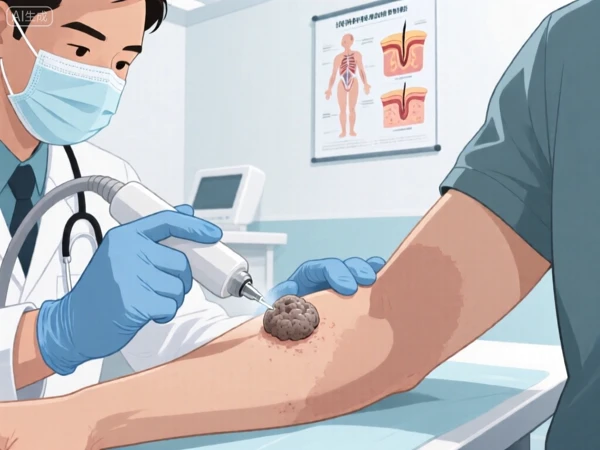
Drug therapy is one of the common ways to relieve the itching of keloids, including the use of anti-inflammatory drugs and topical antipruritic medications. Anti-inflammatory drugs, such as nonsteroidal anti-inflammatory drugs (NSAIDs), can reduce local inflammation, while topical antipruritic medications, such as ointments containing corticosteroids, can act directly on the skin to relieve itching. Physical therapies such as pressure therapy and laser therapy can also effectively improve the symptoms of keloids. Pressure therapy limits the growth of keloids by applying continuous pressure, while laser therapy promotes skin repair by breaking down scar tissue. These methods work together to effectively relieve the itching of keloids.

In addition to the treatments mentioned above, patients also need to avoid behaviors that may worsen keloid symptoms, such as avoiding excessive friction or stimulation of the keloid area, maintaining good personal hygiene, and avoiding the use of skincare products that may cause allergic reactions. These behavioral adjustments, though seemingly simple, play a crucial role in relieving the itching of keloids.
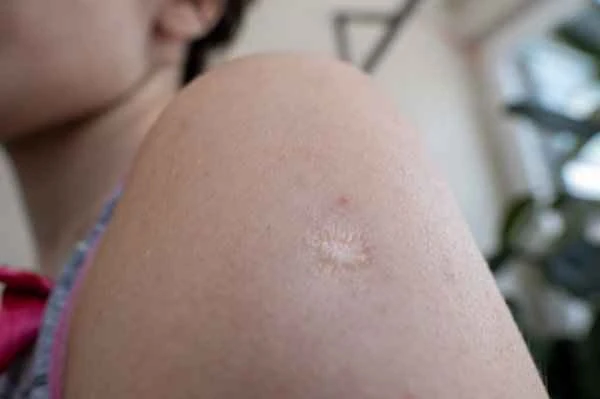
[Management Tip:]
1. Use anti-inflammatory drugs and topical antipruritic drugs, such as nonsteroidal anti-inflammatory drugs and ointments containing corticosteroids.
2. Use physical therapies such as pressure therapy or laser therapy to improve the condition of keloids.
3. Avoid excessive friction or stimulation of the keloid area, and maintain good personal hygiene habits.
4. Avoid using skincare products that may cause allergic reactions to reduce skin irritation.